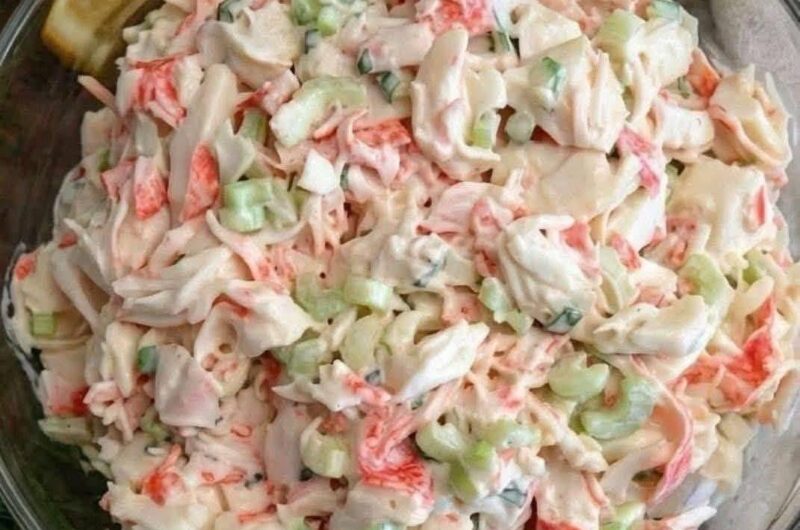
When it comes to iconic comfort foods from around the world, few dishes hold as much cultural significance and universal appeal as the traditional Russian Olivier salad. Known for its creamy texture, balanced flavors, and satisfying ingredients, this classic potato-based salad has earned its place as a centerpiece at festive tables across Eastern Europe.
Often referred to as Russian potato salad, Olivier salad is more than just a side dish—it’s a celebration of texture, flavor, and tradition. With a combination of tender vegetables, protein-rich additions, tangy pickles, and a rich mayonnaise dressing, this dish delivers a perfect harmony in every bite.
Why Olivier Salad Is a Timeless Favorite
In a world full of modern recipes and ever-changing food trends, Olivier salad continues to stand strong. Its popularity comes from its simplicity, versatility, and comforting taste.
This salad is widely loved because:
- It uses basic, easy-to-find ingredients
- It can be prepared ahead of time
- It suits both casual meals and festive occasions
- It offers a perfect balance of creamy, tangy, and savory flavors
From family dinners to holiday celebrations, this dish has remained a staple for generations.
The Cultural Importance of Russian Potato Salad
Olivier salad is deeply rooted in Russian and Eastern European cuisine. Traditionally served during celebrations like New Year’s Eve, it symbolizes warmth, togetherness, and hospitality.
Each family often has its own version of the recipe, passed down through generations. Some use ham, others prefer chicken, and some even create vegetarian adaptations. Despite these variations, the essence of the dish remains the same—simple ingredients combined to create something truly special.
The Perfect Combination of Ingredients
What makes Olivier salad unique is its combination of textures and flavors. Each ingredient plays a specific role:
- Potatoes provide a soft, hearty base
- Carrots add subtle sweetness and color
- Peas bring a fresh pop of flavor
- Eggs contribute richness and protein
- Pickles add tanginess and crunch
- Ham or chicken adds savory depth
- Mayonnaise ties everything together with creamy richness
The result is a well-balanced dish where no single ingredient overpowers the others.
Why Proper Preparation Matters
Although the ingredients are simple, the technique is what makes the difference between an average salad and an exceptional one.
Cooking the vegetables correctly is crucial. They should be tender but still firm enough to hold their shape when diced. Overcooked vegetables can turn the salad mushy, while undercooked ones can feel too firm.
Cooling is equally important. Warm ingredients can cause the mayonnaise to break down, resulting in a watery texture. Allowing everything to cool completely ensures a creamy, cohesive salad.
The Importance of Uniform Cutting
One of the defining characteristics of a well-made Olivier salad is the uniform size of its ingredients. Cutting everything into evenly sized cubes ensures that each bite contains a balanced mix of flavors.
This attention to detail not only improves texture but also enhances presentation, giving the salad a neat and appealing look.
Creating the Perfect Creamy Dressing
The dressing is what brings the entire salad together. Made primarily with mayonnaise, it provides a rich and smooth base that coats every ingredient.
Adding a bit of pickle juice introduces acidity, which balances the richness of the mayonnaise. Dijon mustard, while optional, adds a subtle depth and tang that enhances the overall flavor.
The key is to achieve a dressing that is creamy yet slightly tangy—not too heavy, but flavorful enough to tie everything together.
Tips for the Best Olivier Salad Texture
To achieve the perfect texture:
- Cook vegetables until just tender
- Cool all ingredients completely before mixing
- Use full-fat mayonnaise for better consistency
- Mix gently to avoid breaking the potatoes
These small steps ensure a salad that is creamy, not mushy.
Flavor Variations and Customizations
One of the best aspects of Olivier salad is its adaptability. You can easily adjust the recipe to suit your taste or dietary preferences.
Some popular variations include:
- Using chicken instead of ham for a lighter option
- Adding apples for a hint of sweetness and crunch
- Replacing part of the mayonnaise with Greek yogurt for a lighter dressing
- Using different types of pickles for varied flavor
These variations allow you to personalize the dish while maintaining its classic essence.
Serving Suggestions for Special Occasions
Olivier salad is often served chilled, making it refreshing and satisfying. It can be presented in a large bowl or shaped into a decorative mound for a more elegant look.
For added visual appeal, garnish with:
- Sliced boiled eggs
- Fresh herbs like dill or parsley
- A sprinkle of peas
It pairs beautifully with bread, roasted meats, or as part of a larger праздничный (festive) spread.
Common Mistakes to Avoid
Even though this recipe is straightforward, a few common mistakes can affect the final result:
- Mixing ingredients while still warm
- Overcooking vegetables
- Using too much dressing
- Cutting ingredients unevenly
- Under-seasoning the salad
Avoiding these mistakes ensures a perfect outcome every time.
Storage and Make-Ahead Tips
Olivier salad is ideal for meal prep and actually tastes better after a few hours in the refrigerator. This resting time allows the flavors to blend together beautifully.
Storage tips:
- Keep in an airtight container in the refrigerator for up to 3 days
- Stir gently before serving
- Add a little extra mayonnaise if it becomes dry
Avoid freezing, as it can ruin the texture of the mayonnaise and vegetables.
Nutritional Benefits of Olivier Salad
While this salad is rich and creamy, it also offers nutritional value:
- Provides protein from eggs and meat
- Contains fiber from vegetables
- Supplies vitamins like Vitamin C
- Offers energy from carbohydrates
By adjusting ingredients, you can make it lighter while still maintaining its classic taste.
Why This Recipe Is Worth Trying
Olivier salad is more than just a dish—it’s an experience. It brings together simple ingredients in a way that feels comforting, nostalgic, and satisfying.
Whether you’re making it for a celebration or just a regular meal, this salad is guaranteed to impress. Its creamy texture, balanced flavor, and rich history make it a recipe worth keeping in your collection.
Part 2: Simple Olivier Salad Recipe
Ingredients
- 1 pound potatoes, peeled
- 3 medium carrots, peeled
- 1 cup peas (fresh or frozen)
- 4 large eggs (hard-boiled)
- 8 ounces ham (or cooked chicken breast), diced
- 4 medium dill pickles, diced
- 1/2 teaspoon salt
- 1/4 teaspoon black pepper
For the Dressing:
- 1 cup mayonnaise
- 1 tablespoon pickle juice
- 1 teaspoon Dijon mustard (optional)
Instructions
- Boil potatoes and carrots in salted water for about 20–25 minutes until tender but firm. Drain and let cool completely.
- Cook peas in boiling water for a few minutes, then drain and cool.
- Boil eggs, cool, peel, and set aside.
- Once all ingredients are fully cooled, dice potatoes, carrots, eggs, ham, and pickles into small, even cubes.
- In a bowl, mix mayonnaise, pickle juice, and mustard to create the dressing.
- In a large bowl, combine all diced ingredients and peas.
- Add the dressing and gently mix until everything is evenly coated.
- Season with salt and pepper to taste.
- Refrigerate for at least 30 minutes before serving.
Quick Tips
- Always cool ingredients before mixing
- Cut evenly for best texture
- Use full-fat mayonnaise for richer flavor
- Chill before serving for best results