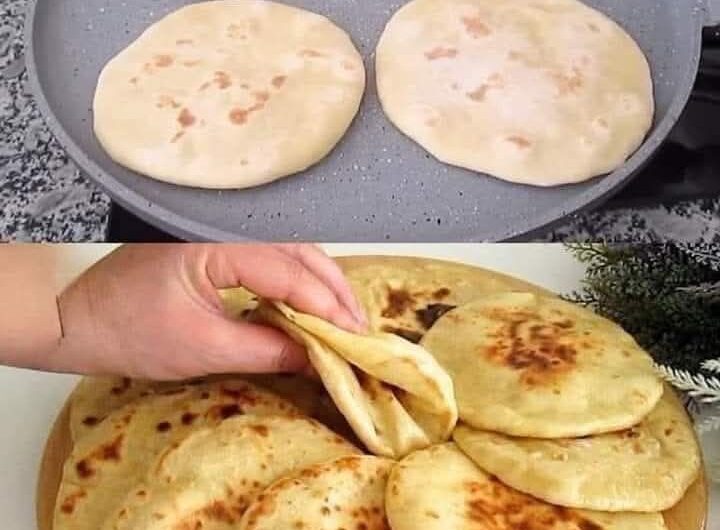
Homemade Flatbread Without Oven – The Perfect Quick Bread Recipe
There is something incredibly comforting about warm homemade bread fresh from the pan. This easy skillet flatbread recipe is designed for anyone who wants soft, chewy, and flavorful bread without needing an oven, yeast, or complicated baking techniques. Made with simple pantry staples like flour, yogurt, and water, this homemade flatbread comes together in minutes and cooks beautifully on a stovetop skillet.
Whether you are preparing a quick family dinner, planning a cozy weekend meal, or simply craving fresh bread with your favorite curry or soup, this no-oven bread recipe is one of the easiest and most reliable options you can make at home.
Unlike traditional yeast bread recipes that require rising time and special baking equipment, this quick yogurt flatbread recipe is beginner-friendly and incredibly versatile. The dough is soft, easy to handle, and cooks in just a few minutes per side. The result is golden brown flatbread with a tender texture and delicious flavor that pairs perfectly with savory dishes, dips, grilled vegetables, or even breakfast spreads.
This recipe has become popular because of its simplicity, affordability, and convenience. With minimal ingredients and a single pan, you can create restaurant-style flatbread right in your kitchen.
Why This Easy Flatbread Recipe Works So Well
The beauty of this stovetop bread recipe lies in its balance of texture and flavor. Yogurt helps create a soft and flexible dough while also adding moisture and a subtle tangy taste. Water hydrates the flour, and kneading develops elasticity, giving the bread its satisfying chewiness.
Cooking the dough in a hot skillet creates beautifully toasted spots on the surface while keeping the inside soft and fluffy. Because there is no yeast involved, there is no waiting time, making this one of the fastest homemade bread recipes available.
This recipe is especially useful for:
- Quick weeknight dinners
- Last-minute side dishes
- Budget-friendly meals
- Small kitchens without ovens
- Beginner home cooks
- Homemade wraps and sandwiches
- Healthy bread alternatives
The combination of yogurt and flour creates a dough that remains soft for hours, making it ideal for meal prep and packed lunches.
The Secret to Soft and Chewy Flatbread
Many people wonder how simple ingredients can create such delicious homemade bread. The answer is in the dough consistency and cooking method.
Yogurt acts as a natural tenderizer. Its acidity softens the gluten structure slightly, which keeps the bread soft rather than tough. Adding a little oil can further improve softness and flexibility.
Another important factor is heat control. Cooking the flatbread over medium-high heat allows the outside to brown while the inside cooks evenly. If the pan is too hot, the bread may burn before cooking through. If the heat is too low, the bread can become dry.
Rolling the dough evenly also helps create soft flatbread. Thin dough cooks quickly and develops those beautiful golden spots associated with traditional skillet breads.
Best Flour Options for Homemade Flatbread
One of the advantages of this easy bread recipe is flexibility. You can use different types of flour depending on your dietary preferences and desired texture.
All-Purpose Flour
All-purpose flour creates soft, light, and tender flatbread. It is ideal for classic skillet bread and produces the fluffiest texture.
Whole Wheat Flour
Whole wheat flour adds extra fiber, nutrients, and a slightly nutty flavor. The bread becomes heartier and more filling while remaining soft and delicious.
Combination Flour Blend
Using half all-purpose flour and half whole wheat flour provides a balanced texture with improved nutrition and softness.
Gluten-Free Alternatives
Although traditional flour works best, some gluten-free flour blends can also be used. Additional moisture may be necessary because gluten-free dough tends to absorb more liquid.
Why Yogurt Makes This Bread Better
Yogurt is the ingredient that transforms this recipe from basic dough into soft and flavorful homemade flatbread.
Benefits of Yogurt in Bread Dough
- Adds moisture for softness
- Improves texture naturally
- Enhances flavor with mild tanginess
- Increases protein content
- Helps create tender bread without yeast
- Supports digestion through probiotics
Unsweetened plain yogurt works best for this recipe. Greek yogurt may also be used, though slightly more water might be required to loosen the dough.
Plant-based yogurt alternatives are excellent for vegan cooking and can still produce soft and delicious bread.
How to Achieve the Perfect Dough Texture
The dough should feel soft, slightly tacky, and easy to knead. If it sticks heavily to your hands or the bowl, sprinkle in a little more flour. If it feels dry or crumbly, add small amounts of water or yogurt until smooth.
Kneading is important because it develops gluten, which gives the bread elasticity and chewiness. Even five minutes of kneading can make a major difference in texture.
After kneading, allowing the dough to rest for a few minutes can make rolling easier and improve softness.
Cooking Flatbread on a Skillet
A heavy skillet or non-stick pan is ideal for this recipe. Cast iron skillets are especially effective because they distribute heat evenly and create beautiful browning.
Tips for Best Results
- Preheat the pan before cooking
- Cook over medium-high heat
- Avoid overcrowding the skillet
- Flip once bubbles appear
- Press gently with a spatula for even cooking
Each flatbread cooks quickly, usually within 2–3 minutes per side. The bread should develop golden brown spots and puff slightly while cooking.
Delicious Ways to Serve This Homemade Flatbread
This soft pan bread recipe works with countless meals and cuisines. Because the flavor is mild, it pairs beautifully with both savory and sweet dishes.
Savory Pairings
- Curries
- Lentil stews
- Grilled chicken
- Roasted vegetables
- Hummus and dips
- Garlic butter spreads
- Soups and chili
Sweet Pairings
- Honey and butter
- Nut butter
- Cinnamon sugar
- Fruit preserves
- Chocolate spread
You can also use the flatbread for wraps, sandwiches, tacos, and homemade pizzas.
Flavor Variations to Try
Although the original recipe is wonderfully simple, adding herbs and spices can create exciting flavor combinations.
Garlic Herb Flatbread
Add garlic powder, oregano, parsley, or rosemary for aromatic homemade bread.
Spiced Flatbread
Mix paprika, cumin, or chili flakes into the dough for bold flavor.
Olive Oil Flatbread
Brush cooked bread with olive oil and sea salt for Mediterranean-inspired taste.
Cheesy Flatbread
Sprinkle grated cheese onto the dough before folding and rolling.
Vegan Flatbread
Use plant-based yogurt and olive oil for a dairy-free version.
Health Benefits of This Quick Bread Recipe
This no-yeast bread recipe is not only convenient but also offers several nutritional advantages.
High in Protein
Yogurt contributes protein, which helps support muscle maintenance and satiety.
Lower in Sugar
Unlike many store-bought breads, this recipe contains little to no added sugar.
Good Source of Carbohydrates
The flour provides energy-rich carbohydrates for daily activities.
Supports Digestion
Yogurt contains probiotics that may benefit gut health and digestion.
Customizable for Nutrition
Whole wheat flour increases fiber and nutrients, making the bread even healthier.
Storage and Reheating Tips
Homemade skillet flatbread stores surprisingly well when handled properly.
Room Temperature
Keep the bread in an airtight container for up to 2–3 days.
Refrigerator
Store in the refrigerator for extended freshness.
Freezer
Freeze individual flatbreads with parchment paper between layers. Reheat directly on a skillet or microwave.
Reheating
Warm briefly in a hot pan for the best texture. A few seconds in the microwave also works.
Common Mistakes to Avoid
Using Too Much Flour
Excess flour can make the bread dry and dense. Add flour gradually.
Overcooking
Cooking too long removes moisture and creates tough bread.
Skipping Kneading
Kneading helps develop structure and softness.
Uneven Rolling
Flatbread should be rolled evenly for uniform cooking.
Low Heat
Insufficient heat prevents proper browning and texture.
Why This Recipe Is Perfect for Busy Families
Modern cooking often requires quick and reliable meal solutions. This easy homemade flatbread recipe fits perfectly into busy lifestyles because it is:
- Fast to prepare
- Affordable
- Kid-friendly
- Versatile
- Made with pantry staples
- Easy to customize
Even beginner cooks can successfully make this recipe on the first try.
Frequently Asked Questions
Can I make this bread without yogurt?
Yogurt is important for texture and flavor, but dairy-free yogurt substitutes work well.
Is yeast required?
No. This is a yeast-free flatbread recipe.
Can I use self-rising flour?
Yes, though the texture may become slightly fluffier.
Can the dough be prepared ahead of time?
Yes. Refrigerate the dough for up to 24 hours before cooking.
Can I make smaller flatbreads?
Absolutely. Divide the dough into smaller portions for snack-sized bread.
Final Thoughts on This Easy No-Oven Flatbread
This soft skillet flatbread recipe proves that homemade bread does not need to be complicated. With only a few everyday ingredients and a frying pan, you can create warm, chewy, flavorful bread in minutes.
The combination of yogurt, flour, and water produces a dough that is simple yet incredibly satisfying. Whether served alongside hearty dinners, wrapped around grilled fillings, or enjoyed fresh off the skillet, this bread is guaranteed to become a regular favorite in your kitchen.
Its quick preparation, adaptable ingredients, and foolproof cooking method make it one of the best homemade flatbread recipes for beginners and experienced cooks alike.
Part 2: Simple Quick Yogurt Flatbread Recipe
Easy No-Oven Skillet Bread
Preparation Time
10 minutes
Cooking Time
15 minutes
Total Time
25 minutes
Yield
6–8 flatbreads
Ingredients
- 4 cups (480g) all-purpose flour or whole wheat flour
- 1 cup (220g) plain unsweetened yogurt
- 1 cup (200ml) water
- Pinch of salt (optional)
- 1 tablespoon oil for softer bread (optional)
Optional Flavor Additions
- Garlic powder
- Fresh rosemary or thyme
- Paprika or chili flakes
- Olive oil for brushing
Method
Step 1: Make the Dough
In a large bowl, combine flour, yogurt, and water. Add salt and oil if using. Mix until a dough forms.
Step 2: Knead Until Smooth
Transfer the dough to a lightly floured surface and knead for 5–7 minutes until soft and elastic. Add extra flour if sticky or more water if dry.
Step 3: Divide and Roll
Cut the dough into 6–8 equal pieces. Roll each piece into a thin round flatbread using a rolling pin.
Step 4: Heat the Pan
Place a non-stick skillet or cast iron pan over medium-high heat until hot.
Step 5: Cook the Flatbread
Cook each flatbread for 2–3 minutes per side until golden brown spots appear. Press lightly with a spatula for even cooking.
Step 6: Serve Warm
Remove from the skillet and keep covered with a clean towel to maintain softness. Serve warm with curries, soups, dips, or grilled dishes.
Nutrition Information (Approximate Per Serving)
- Calories: 150–180
- Carbohydrates: 30g
- Protein: 5g
- Fat: 2g
- Fiber: 2g
- Sugar: 0–2g
Helpful Tips
- Use whole wheat flour for added fiber and nutrition.
- Add herbs and spices for extra flavor.
- Store leftovers in an airtight container for up to 3 days.
- Freeze cooked flatbread for longer storage.
- Reheat on a skillet for the freshest taste.