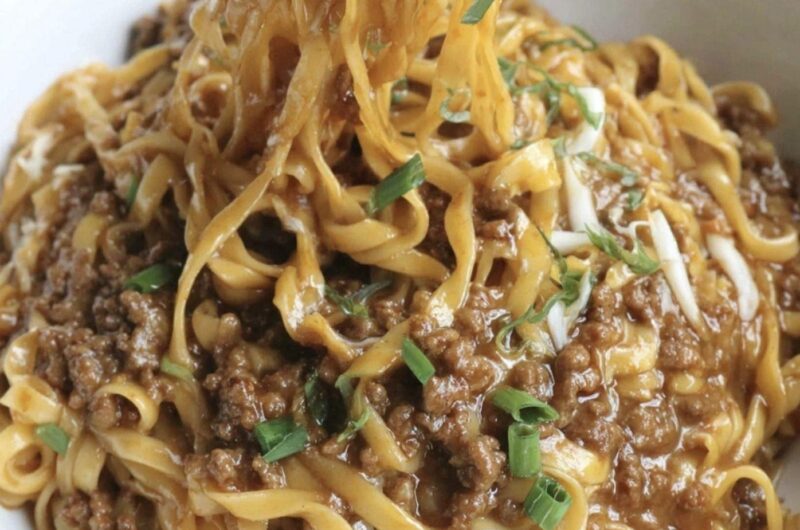
When it comes to easy dinner recipes that deliver comfort, flavor, and satisfaction in every bite, few dishes can compete with a warm bowl of Ground Beef Noodles. This classic one-pot meal combines tender egg noodles, savory ground beef, rich tomato sauce, aromatic seasonings, and flavorful broth into a comforting dish that is both simple and incredibly delicious.
Perfect for busy weeknights, family dinners, meal prep, or budget-friendly cooking, this recipe transforms basic pantry staples into a filling and satisfying meal. The combination of juicy beef, tender noodles, and savory sauce creates a dish that appeals to both children and adults, making it a reliable favorite for households everywhere.
One of the greatest advantages of this recipe is its simplicity. Everything cooks together in one pan, allowing the noodles to absorb the rich flavors of the beef broth, tomato sauce, and seasonings. The result is a deeply flavorful meal with minimal cleanup and maximum taste.
Whether you’re looking for a quick comfort food dinner, an affordable family recipe, or a hearty meal that can be prepared ahead of time, this Ground Beef Noodle Skillet deserves a place in your regular meal rotation.
Why Ground Beef and Noodles Are a Perfect Combination
Ground beef and noodles have been a beloved pairing for generations. Together, they create a balanced dish that provides protein, carbohydrates, and comforting textures.
Ground beef contributes:
- Rich savory flavor
- Hearty texture
- Protein-packed nutrition
- Budget-friendly value
Egg noodles contribute:
- Tender texture
- Excellent sauce absorption
- Quick cooking time
- Comforting bite
When these ingredients cook together, the noodles absorb the flavorful cooking liquid while the beef provides richness throughout the dish.
The result is a complete meal that feels satisfying without requiring complicated preparation.
What Makes This One-Pot Noodle Recipe Special
Unlike recipes that require multiple pots and pans, this version allows all ingredients to cook together in a single skillet or Dutch oven.
Benefits include:
- Faster preparation
- Less cleanup
- Better flavor development
- Convenient cooking process
- Ideal for busy schedules
As the noodles simmer, they absorb the seasoned broth and tomato sauce, becoming infused with flavor from the inside out.
This cooking method creates a more cohesive and satisfying dish than simply combining separately cooked ingredients.
The Growing Popularity of One-Pan Meals
One-pot recipes continue to rank among the most searched dinner ideas online because they simplify cooking while delivering excellent results.
Modern home cooks appreciate recipes that offer:
- Convenience
- Affordability
- Easy cleanup
- Family-friendly appeal
- Meal-prep versatility
Ground Beef Noodles checks every one of these boxes.
The dish can be customized with vegetables, different seasonings, or various toppings while maintaining its comforting character.
Understanding the Flavor Foundation
The secret to exceptional Ground Beef Noodles lies in building layers of flavor.
Several ingredients work together to create depth:
Ground Beef
The beef provides the primary savory foundation. Using an 85/15 blend creates a balance between flavor and texture.
A small amount of rendered beef fat contributes richness and enhances the overall taste of the dish.
Onion
Diced onion introduces subtle sweetness and aromatic complexity.
As onions cook, their natural sugars develop, helping create a well-rounded flavor profile.
Garlic
Garlic brings warmth and depth to the recipe.
Its savory aroma enhances the beef while complementing the tomato-based sauce.
Beef Broth
Beef broth serves as the primary cooking liquid.
It provides:
- Rich umami flavor
- Moisture for the noodles
- Enhanced meatiness
- Better overall depth
Because the noodles cook directly in the broth, they absorb these flavors throughout the cooking process.
Tomato Sauce
Tomato sauce contributes both acidity and richness.
It balances the savory ingredients while helping create a smooth, flavorful sauce that coats every noodle.
Worcestershire Sauce
This ingredient adds a subtle layer of complexity.
Its combination of savory, tangy, and slightly sweet notes enhances the beef flavor significantly.
Even a small amount can dramatically improve the finished dish.
Oregano
Dried oregano introduces earthy herbal notes that pair beautifully with both beef and tomatoes.
It helps create a comforting, home-cooked flavor profile.
Paprika
Paprika is optional but highly recommended.
It contributes:
- Mild smokiness
- Additional depth
- Warm color
- Enhanced complexity
Why Egg Noodles Work So Well
Egg noodles are a popular choice because of their tender texture and ability to absorb sauce.
Compared to many pasta varieties, egg noodles cook quickly and remain pleasantly soft while maintaining structure.
Their broad shape helps capture the savory sauce, ensuring flavor in every bite.
If preferred, other egg noodle varieties can be substituted while maintaining the same cooking method.
The Benefits of Cooking Noodles Directly in the Sauce
Cooking noodles directly in the liquid offers several advantages.
The noodles absorb:
- Beef broth
- Tomato flavor
- Aromatic seasonings
- Savory beef juices
This process creates a richer final dish compared to boiling noodles separately and mixing them afterward.
The starch released by the noodles also helps naturally thicken the sauce.
Adding Vegetables for Extra Nutrition
While optional, vegetables can add color, texture, and nutritional value.
Frozen peas contribute:
- Natural sweetness
- Bright color
- Tender texture
Corn provides:
- Slight crunch
- Sweet flavor
- Additional heartiness
Both options blend naturally into the dish without overwhelming the primary flavors.
Building the Dish Step by Step
Browning the Beef
The first stage focuses on developing flavor through browning.
Cooking the ground beef properly creates caramelized bits that enhance the entire dish.
This process generates savory compounds that contribute depth and richness.
Cooking the Aromatics
After the beef browns, onions and garlic are added.
These ingredients soften and release their aromas, creating a flavorful base for the sauce.
This stage lays the groundwork for the entire recipe.
Combining the Liquids and Seasonings
Once aromatics are tender, the broth, tomato sauce, Worcestershire sauce, oregano, paprika, salt, and pepper are added.
Together they create a flavorful cooking environment that transforms simple ingredients into a cohesive meal.
Simmering the Noodles
The noodles are added directly to the skillet.
As they cook, they absorb liquid and flavor simultaneously.
Occasional stirring prevents sticking and promotes even cooking.
Final Flavor Adjustments
Once the noodles become tender, vegetables may be added if desired.
Taste testing at this stage allows for final seasoning adjustments before serving.
Texture Goals for Perfect Ground Beef Noodles
A successful batch should have:
Beef
Tender and flavorful without becoming dry.
Noodles
Soft and fully cooked while retaining structure.
Sauce
Rich and lightly thickened.
Overall Dish
Hearty, comforting, and well-balanced.
The noodles should absorb much of the liquid while remaining moist and flavorful.
Common Cooking Mistakes and How to Avoid Them
Overcooked Noodles
Cooking too long can lead to a soft, mushy texture.
Check noodles a few minutes before the suggested cooking time ends.
Dry Dish
Allowing too much liquid to evaporate may create dryness.
Add a splash of broth if needed during cooking.
Underseasoned Results
Taste before serving and adjust salt and pepper accordingly.
Excessively Greasy Sauce
While some beef fat adds flavor, draining excessive grease can improve balance.
Sticking Noodles
Occasional stirring prevents noodles from clumping together as they absorb liquid.
Creative Variations to Try
Cheesy Beef Noodles
Add shredded cheddar or Parmesan before serving.
Spicy Version
Include red pepper flakes or hot sauce.
Vegetable-Packed Skillet
Add mushrooms, bell peppers, or spinach.
Italian-Inspired Style
Increase oregano and garnish with Parmesan cheese.
Extra Protein Option
Mix in additional lean ground beef for a heartier meal.
Why This Recipe Is Great for Meal Prep
Ground Beef Noodles stores exceptionally well.
The flavors often become even better after resting overnight.
Meal prep advantages include:
- Easy reheating
- Family-sized portions
- Freezer-friendly storage
- Budget-conscious planning
This makes it an excellent choice for busy households.
Storage and Reheating Recommendations
Store leftovers in an airtight container.
Refrigerated portions remain fresh for several days.
When reheating:
- Add a small amount of broth or water.
- Heat gently.
- Stir occasionally.
These steps help restore moisture and maintain texture.
Serving Ideas for a Complete Meal
This dish pairs well with numerous side dishes.
Popular options include:
Fresh Green Salad
A crisp salad balances the richness of the noodles.
Garlic Bread
Perfect for soaking up extra sauce.
Buttered Dinner Rolls
Soft bread complements the savory flavors.
Roasted Vegetables
Adds texture and nutrition.
Grated Cheese
Parmesan or cheddar enhances flavor and richness.
Frequently Asked Questions
Can I Make It Gluten-Free?
Yes. Substitute gluten-free egg noodles while following the same cooking process.
What If I Don’t Have Tomato Sauce?
Crushed tomatoes combined with tomato paste provide a suitable alternative.
Can I Freeze It?
Absolutely. Properly stored portions freeze well for future meals.
Is Ground Turkey an Option?
Yes. Ground turkey can replace beef, though a small amount of olive oil helps maintain moisture.
Expert Tips for Restaurant-Quality Results
For the best flavor and texture:
- Brown the beef thoroughly.
- Keep a little beef fat for flavor.
- Stir noodles occasionally.
- Use quality beef broth.
- Taste before serving.
- Avoid overcooking the noodles.
- Let the dish rest briefly before serving.
These simple techniques help transform everyday ingredients into a comforting and memorable meal.
Ground Beef Noodles remains one of the most dependable comfort food recipes because it combines affordability, convenience, and delicious flavor in a single pot. Every forkful delivers tender noodles, seasoned beef, rich tomato sauce, and hearty satisfaction that makes this recipe a family favorite year after year.
PART 2 – SIMPLE GROUND BEEF NOODLES RECIPE
Preparation Time
- Prep Time: 10 Minutes
- Cook Time: 25 Minutes
- Total Time: 35 Minutes
Servings
4–6 Servings
Ingredients
Main Ingredients
- 1 lb (450g) ground beef (85/15)
- 8 oz (225g) wide egg noodles (or any egg noodles)
- 1 small onion, diced
- 2 garlic cloves, minced
- 2 cups (480ml) beef broth
- 1 can (15 oz) tomato sauce
- 1 tbsp Worcestershire sauce
- 1 tsp dried oregano
- ½ tsp paprika (optional)
- Salt and black pepper, to taste
Optional Additions
- 1 cup frozen peas
- 1 cup frozen corn
- Fresh parsley for garnish
- Grated Parmesan cheese for serving
Instructions
Step 1: Cook the Beef
Heat a large skillet or Dutch oven over medium-high heat. Add ground beef and cook for 5–6 minutes until browned.
Add diced onion and minced garlic. Cook for another 3–4 minutes until softened. Drain excess grease if desired, leaving a small amount for flavor.
Step 2: Create the Sauce
Stir in beef broth, tomato sauce, Worcestershire sauce, oregano, paprika, salt, and black pepper.
Bring the mixture to a gentle simmer.
Step 3: Add the Noodles
Add egg noodles and stir until fully coated and submerged in the liquid.
Reduce heat to medium-low, cover, and cook for 10–12 minutes, stirring occasionally until noodles become tender and most of the liquid is absorbed.
Step 4: Finish the Dish
Stir in peas or corn if using.
Cook for an additional 2 minutes.
Taste and adjust seasonings as needed.
Step 5: Serve
Serve hot with Parmesan cheese, fresh parsley, or your favorite toppings.
Serving Suggestions
- Garlic bread
- Buttered dinner rolls
- Fresh garden salad
- Roasted vegetables
- Sharp cheddar cheese
- Red pepper flakes for heat
Storage
Refrigerator: Store in an airtight container for up to 4 days.
Freezer: Freeze for up to 2 months. Thaw overnight in the refrigerator before reheating.
Reheating: Add a splash of broth or water while warming to restore moisture.