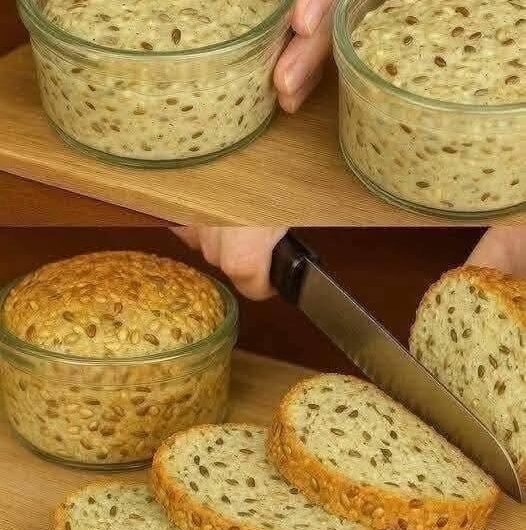
Freshly baked bread has a way of making any meal feel more comforting. The aroma that fills the kitchen, the crisp golden crust, and the soft, hearty center create an experience that is difficult to match. While many homemade bread recipes require yeast, lengthy proofing times, and advanced baking techniques, this 3 Ingredient Seeded Bread Recipe proves that delicious homemade bread can be both quick and incredibly simple.
Made with just self-rising flour, plain Greek yogurt, and a mixture of nutritious seeds, this easy bread recipe delivers bakery-style flavor without the need for yeast or complicated equipment. It is an excellent choice for beginners, busy families, and experienced home bakers who want a reliable loaf that comes together in less than an hour.
Unlike traditional bread recipes that rely on yeast fermentation, this loaf uses self-rising flour as the leavening agent. Combined with the creamy texture of Greek yogurt, the dough becomes soft, easy to work with, and naturally moist. The mixed seeds provide wonderful crunch, rich nutty flavor, and a boost of wholesome nutrition in every slice.
Whether you enjoy it fresh from the oven, toasted for breakfast, or served alongside soups and salads, this rustic seeded bread is a versatile addition to any kitchen. Its simple preparation, hearty texture, and satisfying taste make it a recipe you’ll want to bake again and again.
Why This Three Ingredient Bread Is Worth Making
Many people avoid baking bread because they believe it requires special skills or expensive ingredients. Fortunately, this recipe removes those obstacles while still producing a loaf that looks and tastes homemade.
One of the biggest advantages is its simplicity. With only three primary ingredients, there is little measuring, mixing, or preparation involved. There is no need to activate yeast, wait for dough to rise, or use a stand mixer.
The dough comes together quickly, making it perfect for days when you need fresh bread without spending hours in the kitchen. Since there is no fermentation time, you can prepare the dough, bake it, and enjoy warm slices within about an hour.
This recipe also allows plenty of flexibility. Different seed combinations create unique flavors and textures, making every loaf slightly different while keeping the recipe just as easy.
What Makes This Bread Different from Traditional Yeast Bread?
Classic bread recipes depend on yeast to produce carbon dioxide, which creates an airy crumb after several hours of proofing. While this process produces wonderful bread, it also requires patience and careful timing.
This seeded bread follows a completely different approach. Self-rising flour already contains baking powder, allowing the dough to rise naturally in the oven. Greek yogurt contributes moisture, tenderness, and a mild tang that enhances the flavor of the finished loaf.
The result is a bread with a pleasantly dense yet soft interior and a lightly crisp crust. Instead of large air pockets found in artisan sourdough, this loaf offers an even crumb that slices beautifully for sandwiches, toast, or serving with meals.
The Secret Behind the Three Main Ingredients
Every ingredient has an important purpose, even though the ingredient list is wonderfully short.
Self-Rising Flour
Self-rising flour forms the structure of the bread while providing the built-in leavening needed for a gentle rise during baking. Because it already contains baking powder and salt, it eliminates the need for several additional ingredients.
Using self-rising flour also keeps the recipe beginner-friendly because there is less chance of measuring errors.
Plain Greek Yogurt
Greek yogurt plays multiple roles in this recipe. It supplies moisture, richness, protein, and acidity while helping create a soft crumb.
Its thick consistency binds the flour together into a workable dough, while its slight tang balances the earthy flavor of the seeds. Full-fat Greek yogurt generally produces the richest texture, although lower-fat varieties can also be used successfully.
Mixed Seeds
The seeds are what transform this simple bread into something truly special.
Each variety contributes a different texture and flavor profile:
- Sunflower seeds provide a mild, buttery crunch.
- Pumpkin seeds add hearty texture and a subtle sweetness.
- Sesame seeds bring a delicate toasted aroma.
- Flaxseeds offer a pleasant nutty flavor.
- Chia seeds contribute additional fiber while helping retain moisture.
Using a blend instead of a single seed variety creates a more balanced flavor and gives every slice an attractive appearance.
Why Homemade Seeded Bread Is So Popular
In recent years, homemade bread has become increasingly popular among home cooks. People appreciate knowing exactly what goes into their food while avoiding unnecessary preservatives and artificial ingredients often found in store-bought bread.
This recipe fits perfectly into that trend because it relies on simple pantry staples.
Many families enjoy making this loaf because it is:
- Easy enough for beginners
- Ready in under an hour
- Naturally rich in seeds
- Budget-friendly
- Great for meal preparation
- Perfect for breakfast, lunch, or dinner
- Free from yeast
- Made with everyday ingredients
Its versatility also makes it ideal for serving during busy weekdays or relaxed weekend breakfasts.
The Nutritional Benefits of Mixed Seeds
One of the standout features of this bread is the generous amount of mixed seeds.
Seeds are widely appreciated for their nutritional value and add much more than just texture.
Depending on the combination you choose, they can provide:
- Dietary fiber that supports healthy digestion.
- Plant-based protein that helps keep you feeling satisfied.
- Healthy unsaturated fats that contribute to overall wellness.
- Important minerals including magnesium, zinc, iron, and phosphorus.
- Natural antioxidants that support a balanced diet.
Adding seeds throughout the dough ensures every slice contains both flavor and nutrition.
Tips for Achieving Bakery-Style Results
Although this recipe is incredibly simple, a few baking techniques can make the finished loaf even better.
Start by measuring the ingredients accurately. Too much flour may produce a dry loaf, while excessive yogurt can create overly sticky dough.
Mix only until the ingredients are fully combined. Unlike yeast bread, this dough does not benefit from extensive kneading. Gentle handling helps maintain a tender crumb.
Shaping the dough evenly encourages consistent baking and gives the loaf a professional appearance.
Scoring the top with a sharp knife before baking allows controlled expansion in the oven while creating the attractive rustic finish commonly seen in artisan bakeries.
Allowing the bread to cool before slicing is another important step. Although it may be tempting to cut into a warm loaf immediately, cooling helps the crumb set properly and improves the texture of each slice.
Delicious Ways to Enjoy Seeded Bread
One of the reasons this recipe remains so popular is its incredible versatility.
Fresh slices taste wonderful with butter while still warm from the oven.
For breakfast, toast slices until lightly crisp and serve with avocado, cream cheese, fruit preserves, peanut butter, or honey.
At lunchtime, use the bread for sandwiches filled with grilled vegetables, chicken, turkey, cheese, or eggs.
Its hearty texture also makes it an excellent companion for soups such as tomato, vegetable, pumpkin, or lentil soup.
During dinner, serve thick slices alongside casseroles, roasted meats, pasta dishes, or fresh salads.
Because the loaf slices cleanly, it also works beautifully for open-faced sandwiches and snack platters.
Customize the Recipe Your Way
Although the classic version relies on only three main ingredients, there are plenty of optional additions that can introduce even more flavor while keeping the bread simple.
A drizzle of honey creates a gentle sweetness that pairs well with the nutty seeds.
Fresh herbs such as rosemary or thyme provide a fragrant, savory aroma.
A pinch of sea salt enhances the overall flavor, while cracked black pepper adds subtle warmth.
Some bakers enjoy lightly toasting the seeds before mixing them into the dough. This simple step intensifies their natural oils and creates a deeper, richer flavor.
For extra visual appeal, reserve a handful of seeds to sprinkle over the shaped loaf before baking. As they toast in the oven, they create an attractive bakery-style finish that looks as impressive as it tastes.
A Reliable Bread Recipe You’ll Bake Again and Again
There is something incredibly satisfying about creating fresh bread from just a handful of ingredients. This easy 3 Ingredient Seeded Bread Recipe demonstrates that homemade baking does not have to be complicated to produce exceptional results.
With its crisp golden crust, soft interior, wholesome seeds, and wonderfully rustic appearance, this loaf offers everything many people love about artisan bread while eliminating the lengthy preparation associated with traditional yeast baking.
Whether you are baking for your family, preparing meals for the week, or simply enjoying the relaxing process of homemade baking, this recipe delivers dependable results with minimal effort. Once you experience how quickly the dough comes together and how delicious the finished loaf tastes, it is likely to become one of your favorite homemade bread recipes for every season.
Part 2
Easy 3 Ingredient Seeded Bread Recipe
This quick and wholesome seeded bread is perfect when you want fresh homemade bread without using yeast. Made with just three primary ingredients, it bakes into a rustic loaf with a lightly crisp crust, tender crumb, and plenty of nutty flavor from a blend of seeds. It’s an excellent choice for breakfast, sandwiches, soups, or healthy snacks.
Recipe Details
Prep Time: 10 minutes
Cook Time: 35–45 minutes
Total Time: 45–55 minutes
Yield: 1 loaf (8–10 slices)
Difficulty Level: Easy
Ingredients
Main Ingredients
- 3 cups self-rising flour
- 2 cups plain Greek yogurt (preferably full-fat for a softer crumb)
- 1 cup mixed seeds (sunflower seeds, pumpkin seeds, sesame seeds, flaxseeds, chia seeds, or your favorite combination)
Optional Ingredients
- Pinch of salt (if needed)
- 1 tablespoon honey for a touch of natural sweetness
- Extra mixed seeds for topping
- 1–2 teaspoons water or additional yogurt if the dough appears dry
Step-by-Step Instructions
Step 1: Prepare the Oven
Preheat your oven to 375°F (190°C). Lightly grease a loaf pan or line a baking tray with parchment paper if shaping the loaf by hand.
Step 2: Combine the Dry Ingredients
Place the self-rising flour into a large mixing bowl. If necessary, sift the flour to remove any lumps. Add most of the mixed seeds, keeping a small handful aside for decorating the top before baking.
Mix everything together until the seeds are evenly distributed throughout the flour.
Step 3: Add the Greek Yogurt
Gradually fold the Greek yogurt into the flour mixture using a wooden spoon or spatula.
Continue mixing until a rough dough begins to form.
Step 4: Form the Dough
Once stirring becomes difficult, use clean hands to gently bring the dough together.
If the mixture feels sticky, dust in a little extra flour.
If it seems dry or crumbly, mix in a teaspoon of water or a small spoonful of yogurt until the dough holds together comfortably.
Step 5: Knead Lightly
Transfer the dough onto a lightly floured work surface.
Knead gently for 3–5 minutes, just until the dough becomes smooth. Since this is a no-yeast bread, avoid overworking the dough.
Step 6: Shape the Loaf
Shape the dough into a round artisan-style loaf or an oval shape.
Place it into the prepared loaf tin or directly onto the lined baking tray.
Scatter the reserved mixed seeds over the top and gently press them into the surface.
Using a sharp knife, make one shallow slash across the top to help the bread expand evenly during baking.
Step 7: Bake
Bake for 35–45 minutes, or until the crust is beautifully golden brown.
The loaf is fully baked when:
- The bottom sounds hollow when tapped.
- A skewer inserted into the center comes out clean.
- The crust feels firm and crisp.
Step 8: Cool Before Slicing
Transfer the bread to a wire cooling rack.
Allow it to cool for at least 20 minutes before slicing. This helps the crumb set properly and prevents the interior from becoming gummy.
Texture and Flavor
This homemade seeded bread has:
- A lightly crisp golden crust
- A soft yet hearty interior
- Mild tanginess from the Greek yogurt
- Nutty flavor from the mixed seeds
- A satisfying rustic texture that stays moist for days
Serving Ideas
Enjoy this bread in many delicious ways:
- Spread with butter while still warm
- Toast with jam or honey
- Top with mashed avocado
- Serve with cream cheese or hummus
- Pair with vegetable, chicken, or tomato soup
- Use for homemade sandwiches
- Serve beside salads, pasta, or hearty stews
- Toast for breakfast with peanut butter or fresh fruit
Storage Instructions
Room Temperature
Store the completely cooled loaf in an airtight container or wrap it tightly in a clean kitchen towel. It will stay fresh for up to 3 days.
Refrigerator
For slightly longer freshness, refrigerate the bread in a sealed container for up to 5 days.
Freezer
Slice the loaf before freezing and place the slices in a freezer-safe bag or container. Freeze for up to 3 months.
Toast frozen slices directly without thawing.
Expert Baking Tips
- Full-fat Greek yogurt produces the softest texture.
- Mixing several types of seeds creates the best flavor and appearance.
- Avoid excessive kneading to keep the bread tender.
- Place a small oven-safe dish filled with hot water on the lower oven rack to encourage a crisp crust.
- For richer flavor, lightly toast the seeds before adding them to the dough.
- Let the loaf cool completely before storing to prevent excess moisture.
Easy Variations
Naturally Sweet Version
Mix in one tablespoon of honey or maple syrup for a hint of sweetness.
Herb-Infused Bread
Add chopped fresh rosemary, thyme, or mixed Italian herbs for a savory twist.
Extra Crunch
Toast the seeds in a dry skillet for a few minutes before folding them into the dough.
Rustic Bakery Style
Shape the dough by hand and bake directly on a preheated baking stone for a crisp, artisan-style crust.
Frequently Asked Questions
Can I make this bread without yeast?
Yes. This recipe relies on self-rising flour, so no yeast or proofing time is required.
Can I use regular yogurt?
Greek yogurt is recommended because it is thicker and creates a better dough consistency. Regular plain yogurt may work, but you may need a little extra flour.
Which seeds work best?
A blend of sunflower seeds, pumpkin seeds, sesame seeds, flaxseeds, and chia seeds provides the best balance of flavor, texture, and nutrition.
Why is my dough too sticky?
Different yogurt brands vary in thickness. Simply sprinkle in a little extra self-rising flour until the dough becomes manageable.
Can I freeze the bread?
Yes. Slice the loaf before freezing so individual pieces can be toasted whenever needed.
Nutrition Information (Approximate Per Slice)
- Calories: 190
- Carbohydrates: 28g
- Protein: 8g
- Fat: 6g
- Saturated Fat: 1g
- Fiber: 3g
- Sugar: 2g
- Sodium: 260mg
Nutrition values are estimates and may vary depending on the ingredients and seed mixture used.
Final Thoughts
This easy 3 Ingredient Seeded Bread Recipe is proof that homemade bread doesn’t have to be complicated. With minimal ingredients and no yeast, you can enjoy a wholesome loaf featuring a crisp crust, soft center, and rich nutty flavor. Whether served fresh, toasted, or paired with your favorite meals, this versatile bread is sure to become a staple in your kitchen.