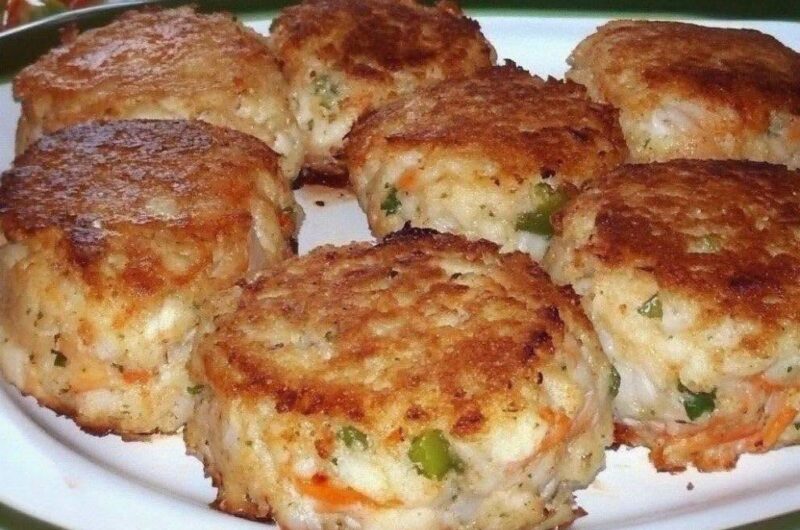
There is something special about a perfectly cooked crab cake. The outside should be beautifully golden and crisp, while the inside remains tender, moist, and packed with the delicate flavor of crab. When served hot with a squeeze of lemon or your favorite seafood sauce, homemade crab cakes can turn an ordinary dinner into something that feels like a restaurant meal.
This Copycat Joe’s Crab Shack Crab Cakes recipe is inspired by the popular restaurant-style seafood appetizer and gives you an easy way to prepare similar crispy crab cakes at home. Instead of spending money on a restaurant dinner, you can create a generous batch in your own kitchen with simple ingredients.
The recipe combines crab meat with mayonnaise, egg yolks, Dijon mustard, Worcestershire sauce, lemon juice, parsley, blackened seasoning, and breadcrumbs. These ingredients work together to create a flavorful mixture that can be shaped into patties and pan-fried until golden brown.
If you’re searching for an easy crab cake recipe, Maryland-style crab cakes, crispy crab cakes, homemade seafood appetizers, or a restaurant-style crab cake recipe, this recipe is an excellent one to keep handy.
The preparation is surprisingly straightforward. The most important things are handling the crab gently, keeping the mixture cold enough to shape, and making sure your cooking oil is properly heated before frying.
Once you understand those simple techniques, making crispy crab cakes at home becomes much easier.
Why These Homemade Crab Cakes Are Worth Making
Restaurant crab cakes can be delicious, but making them yourself gives you greater control over the ingredients, texture, seasoning, and cooking method.
This recipe is particularly appealing because it doesn’t require a long list of complicated ingredients.
You get:
- Tender crab meat
- Crispy breadcrumb coating
- Creamy mayonnaise
- Rich egg yolks
- Tangy Dijon mustard
- Savory Worcestershire sauce
- Fresh lemon flavor
- Aromatic parsley
- Warm blackened seasoning
- A beautifully browned exterior
The result is a seafood dish that feels special without requiring advanced culinary skills.
These crab cakes are also versatile. You can serve them as an appetizer before dinner, make them the centerpiece of a seafood meal, or prepare smaller portions for a party platter.
They are especially delicious when served immediately after frying, when the outside is crisp and the center is warm.
The Secret to Tender Crab Cakes
The biggest mistake people make when preparing homemade crab cakes is treating the mixture like a regular meat mixture.
Crab meat is delicate.
It doesn’t need aggressive mixing or heavy handling.
The goal is to combine the ingredients while preserving as many pieces of crab as possible.
When you stir too forcefully, large pieces of crab can break down into a paste. That changes the texture and takes away some of the satisfying seafood character that makes crab cakes so appealing.
Use a gentle folding motion instead.
The breadcrumbs and egg yolks help the mixture hold together, while mayonnaise contributes moisture and richness.
Once everything is combined, shape the mixture carefully into patties.
Choosing the Right Crab Meat
Crab is obviously the star ingredient, so its quality makes a noticeable difference.
The recipe calls for 1 pound of crab meat. Depending on availability, different types of crab meat can be used.
Lump crab meat is particularly attractive when you want visible pieces throughout each cake.
Claw meat can also provide excellent flavor and tends to have a slightly deeper seafood character.
Regardless of the type you choose, pay attention to moisture.
Excess liquid can make the crab cake mixture too loose. Drain the crab thoroughly before adding it to the bowl.
This simple step can make shaping much easier.
Why Mayonnaise Belongs in the Mixture
Mayonnaise isn’t simply there to add richness.
It also contributes moisture and helps create a tender interior.
Because crab meat is delicate and can dry out during cooking, a creamy ingredient helps maintain a softer texture.
The mayonnaise also works beautifully with the Dijon mustard, lemon juice, Worcestershire sauce, and seasonings.
Together, these ingredients create a balanced flavor rather than allowing the crab to taste flat or overly heavy.
Egg Yolks Help Hold Everything Together
This recipe uses three egg yolks rather than whole eggs.
The yolks add richness and help bind the ingredients.
They also contribute to the creamy texture of the crab mixture.
When the patties enter the hot oil, the mixture begins to set while the breadcrumbs develop a crisp exterior.
This gives you the contrast that makes a great crab cake so enjoyable: a crunchy outside with a tender center.
Breadcrumbs Create the Crispy Texture
Breadcrumbs play an important structural role.
They help absorb some of the moisture from the mayonnaise, egg yolks, and crab meat while giving the patties enough body to hold their shape.
They also contribute to the golden crust during frying.
The amount in this recipe is enough to help create stable patties without completely overwhelming the crab.
If the mixture seems particularly soft, chilling it before shaping can make a major difference.
Dijon Mustard Adds Brightness
Dijon mustard contributes a sharp, slightly tangy flavor that cuts through the richness of the mayonnaise and fried exterior.
Only one teaspoon is required, but it adds noticeable depth.
The mustard doesn’t make the crab cakes taste strongly of mustard. Instead, it helps make the overall seasoning taste more complete.
Worcestershire Sauce Brings Savory Depth
Worcestershire sauce is another small ingredient with a big impact.
Its complex savory flavor complements seafood and adds another layer of seasoning to the crab mixture.
It works particularly well alongside the Dijon mustard and blackened seasoning.
Because the recipe uses only one tablespoon, it enhances rather than dominates the crab.
Lemon Juice Keeps the Flavor Fresh
Fried foods can sometimes taste heavy.
A little lemon juice helps balance that richness.
The acidity brightens the seafood flavor and works naturally with crab.
Even though the crab cakes are cooked in oil, the lemon prevents the finished dish from feeling one-dimensional.
For an even fresher presentation, you can serve additional lemon alongside the finished patties.
Parsley Adds Freshness and Color
Chopped parsley provides a fresh herbal note while adding attractive green flecks throughout the crab cakes.
It also helps balance the richness of the mayonnaise and fried breadcrumbs.
Fresh parsley is ideal, particularly when you’re serving the crab cakes as an appetizer and want them to look vibrant on the plate.
Understanding Blackened Seasoning
Blackened seasoning provides the recipe with its warm, savory character.
It brings together the other flavors and gives the crab cakes a more pronounced Southern-inspired profile.
Because crab has a naturally delicate flavor, seasoning should enhance it rather than completely cover it.
The measured amount in this recipe provides a subtle layer of spice without overpowering the seafood.
How to Prevent Crab Cakes From Falling Apart
Crab cakes can sometimes break apart during frying, but several simple techniques help prevent that.
Drain the Crab Well
Too much liquid creates a loose mixture.
Don’t Overmix
Aggressive mixing breaks down the crab and can make the texture dense.
Shape the Patties Firmly
Use gentle but deliberate pressure when forming each cake.
Chill Soft Mixture
If the mixture feels difficult to shape, refrigerate it for 20–30 minutes.
Use Properly Heated Oil
Cold oil can prevent the exterior from setting quickly enough.
These steps work together to create stronger patties that hold their shape during cooking.
Why Chilling the Mixture Can Make a Big Difference
If your crab cake mixture feels too soft, don’t immediately add a large amount of extra breadcrumbs.
Instead, try chilling it first.
Place the covered mixture in the refrigerator for approximately 20–30 minutes.
The colder temperature firms up the mayonnaise and egg yolks, making the mixture easier to handle.
Chilling also gives the breadcrumbs more time to absorb moisture.
This can result in patties that are easier to shape and less likely to break when transferred to the skillet.
Getting the Oil Temperature Right
Proper frying temperature is one of the most important parts of making crispy crab cakes.
If the oil isn’t hot enough, the patties can absorb excessive oil before the exterior develops a crust.
That can result in greasy, soft crab cakes.
On the other hand, oil that is excessively hot can brown the outside before the center has warmed properly.
A steady medium-high heat is a good starting point.
The oil should appear hot and shimmering before the patties are added.
Place the crab cakes into the skillet carefully so you don’t splash hot oil.
Why a Deep-Sided Skillet Helps
A deep-sided skillet provides additional protection when shallow-frying.
It allows enough oil to surround the lower portion of the crab cakes while reducing the chance of splattering onto your stovetop.
The recipe calls for approximately an inch of frying oil.
This provides enough depth to encourage even browning while keeping the cooking method manageable at home.
Frying Without Destroying the Patties
Once the crab cakes are placed into the hot oil, avoid constantly moving them around.
Let the crust develop.
If you try to flip them too soon, the exterior may not yet be firm enough to support the patty.
Use a spatula or suitable tongs to turn them carefully once the underside has browned.
Cook until both sides have developed an attractive golden color and the crab cakes are heated through.
How to Drain Fried Crab Cakes Properly
After frying, transfer the crab cakes away from the oil promptly.
A paper towel-lined wire rack is particularly useful.
The paper towel absorbs excess oil while the rack keeps the bottom of the crab cakes elevated.
This prevents the hot patties from sitting directly on a flat surface where trapped steam can soften the crispy crust.
The goal is to preserve that freshly fried texture for as long as possible.
Delicious Ways to Serve Homemade Crab Cakes
These crab cakes can be served in several different ways.
For an appetizer, place one or two patties on a plate with lemon wedges and your favorite seafood dipping sauce.
For dinner, pair them with a fresh salad, roasted vegetables, or potatoes.
You can also turn them into a sandwich by placing a crab cake inside a toasted bun with lettuce and sauce.
Another option is to serve smaller crab cakes as finger food at parties.
Their crisp exterior and savory seafood filling make them especially appealing for entertaining.
Great Occasions for Crab Cakes
Homemade crab cakes work well for:
- Weekend dinners
- Seafood nights
- Holiday appetizers
- Dinner parties
- Family gatherings
- Summer entertaining
- Date-night meals
- Game-day appetizers
- Special lunches
- Brunch menus
Because they look elegant when plated, they can easily be included in a more formal meal.
Simple Sauce Pairings
The crab cakes already contain plenty of flavor, but a dipping sauce can make the meal even more enjoyable.
Classic seafood sauces work particularly well.
Tartar sauce provides creamy, tangy contrast.
Remoulade adds a bolder Southern-inspired flavor.
A simple lemon-based sauce can emphasize the freshness of the crab.
When serving the cakes as an appetizer, place the sauce in a small bowl alongside the patties.
Can You Bake Crab Cakes Instead?
Yes, crab cakes can be baked rather than pan-fried.
Baking is a useful option if you prefer to reduce the amount of frying oil.
However, the texture will be different.
Pan-frying produces the crispest, deepest golden crust, while baking generally creates a lighter exterior.
If your priority is maximum crunch, frying is the preferred method.
If convenience is more important, baking remains a practical alternative.
Storing Leftover Crab Cakes
If you have leftovers, allow them to cool before transferring them to an airtight container.
Keep them refrigerated for up to three days.
For longer storage, cooked crab cakes can be frozen for up to two months.
Separate individual cakes before freezing if possible so they are easier to reheat later.
Proper storage helps preserve both flavor and texture.
The Best Way to Reheat Crab Cakes
Microwaving is convenient, but it can soften the crispy exterior.
For better results, reheat crab cakes in an oven, toaster oven, or air fryer.
The dry heat helps bring back some of the crispness while warming the center.
Avoid overheating because prolonged cooking can make the crab dry.
Common Crab Cake Problems and Solutions
The Patties Fall Apart
The mixture may contain too much moisture or may not have been chilled sufficiently.
Drain the crab thoroughly and refrigerate the mixture before shaping.
The Crab Cakes Taste Greasy
The oil may not have been hot enough.
Properly heated oil helps create a crust quickly instead of allowing the patties to absorb excessive oil.
The Outside Browns Too Quickly
Your cooking temperature may be too high.
Reduce the heat slightly and allow the center to warm through.
The Crab Cakes Are Too Dense
Overmixing can break down the crab and compress the filling.
Mix only until the ingredients are incorporated.
The Exterior Isn’t Crispy
Make sure the oil is hot before adding the patties and drain them properly after frying.
Frequently Asked Questions
What type of crab meat should I use?
Use good-quality crab meat that has been thoroughly drained. Lump crab meat is excellent when you want noticeable pieces throughout the patties.
Why are my crab cakes falling apart?
Excess moisture, insufficient chilling, or overly gentle shaping can contribute. Refrigerating the mixture before forming the patties can help.
Can I prepare the crab cake mixture ahead of time?
Yes. The mixture can be prepared and chilled before shaping and frying.
Can I freeze crab cakes?
Yes. Fully cooked crab cakes can be frozen for up to two months when properly wrapped and stored.
What oil is best for frying?
A neutral oil suitable for medium-high heat works well. The goal is to allow the crab cakes to brown without the oil smoking.
Can I use this recipe for a party?
Absolutely. Form smaller patties and serve them as bite-sized seafood appetizers.
Final Thoughts on These Restaurant-Style Crab Cakes
Making restaurant-inspired seafood at home doesn’t have to be complicated.
These Copycat Joe’s Crab Shack Crab Cakes combine sweet crab meat, creamy mayonnaise, rich egg yolks, savory seasonings, fresh parsley, tangy mustard, Worcestershire sauce, lemon juice, and breadcrumbs to create a flavorful homemade seafood dish.
The key is treating the crab gently and giving the mixture enough time to firm before frying if necessary.
Once the patties reach the hot oil, the breadcrumbs develop a beautiful golden crust while the center stays tender and flavorful.
Serve them immediately with lemon wedges or your favorite seafood sauce, and you have an impressive appetizer or main course that’s perfect for seafood lovers.
If you’re looking for crispy crab cakes, an easy homemade crab cake recipe, or a restaurant-style seafood dinner, this recipe is a delicious addition to your collection.
PART 2
Crispy Copycat-Style Crab Cakes
Recipe Details
Course: Appetizer, Main Course
Cuisine: American-inspired seafood
Difficulty: Easy
Prep Time: 15 minutes
Cook Time: 10 minutes
Total Time: About 25 minutes
Yield: 8 crab cakes
Ingredients
- 1 lb. crab meat
- ⅓ cup mayonnaise
- 3 egg yolks
- 1 tablespoon Worcestershire sauce
- 1 teaspoon Dijon mustard
- 1 teaspoon lemon juice
- ¼ teaspoon blackened seasoning
- ¼ cup chopped parsley
- 1¼ cups breadcrumbs
- Salt and pepper, to taste
- Oil, for frying
Kitchen Tools
- Large mixing bowl
- Measuring cups and spoons
- Spatula or mixing spoon
- Deep-sided skillet
- Slotted spatula or tongs
- Wire rack
- Paper towels
- Sharp knife, if needed
How to Make Homemade Crab Cakes
1. Mix the Crab Cake Ingredients
Add the crab meat, mayonnaise, egg yolks, Worcestershire sauce, Dijon mustard, lemon juice, blackened seasoning, parsley, breadcrumbs, salt, and pepper to a large bowl.
Gently fold everything together until the ingredients are combined. Avoid vigorous mixing so the crab pieces remain intact.
2. Shape the Patties
Divide the mixture into 8 portions.
Using your hands, gently form each portion into a compact crab cake.
If the mixture feels too soft, cover the bowl and refrigerate it for 20–30 minutes before shaping.
3. Warm the Frying Oil
Pour approximately 1 inch of oil into a deep-sided skillet.
Heat over medium-high heat until the oil is hot and shimmering.
4. Cook the Crab Cakes
Carefully place the crab cakes into the hot oil without overcrowding the pan.
Cook for approximately 5–8 minutes, turning as needed, until the patties are heated through and golden brown on both sides.
5. Drain Before Serving
Transfer the cooked crab cakes to a paper towel-lined wire rack.
Allow excess oil to drain while keeping the patties elevated so their bottoms remain crisp.
Serve hot.
Important Recipe Tips
- Drain the crab thoroughly before mixing.
- Handle the crab gently to preserve its texture.
- Chill the mixture if it feels too loose.
- Make sure the oil is hot before frying.
- Avoid overcrowding the skillet.
- Let the crust develop before turning the patties.
- Drain the cooked crab cakes immediately after frying.
Serving Ideas
Serve warm with:
- Lemon wedges
- Tartar sauce
- Remoulade
- Fresh salad
- Roasted vegetables
- Potatoes
- Your favorite seafood dipping sauce
Storage
Refrigerator: Store cooked crab cakes in an airtight container for up to 3 days.
Freezer: Properly wrapped cooked crab cakes can be frozen for up to 2 months.
Reheating: For the best texture, reheat in an oven, toaster oven, or air fryer rather than the microwave.
Recipe Note
If your crab mixture is difficult to shape, refrigeration is usually a better first solution than immediately adding more breadcrumbs. Chilling helps the existing ingredients firm up and makes the patties easier to handle.