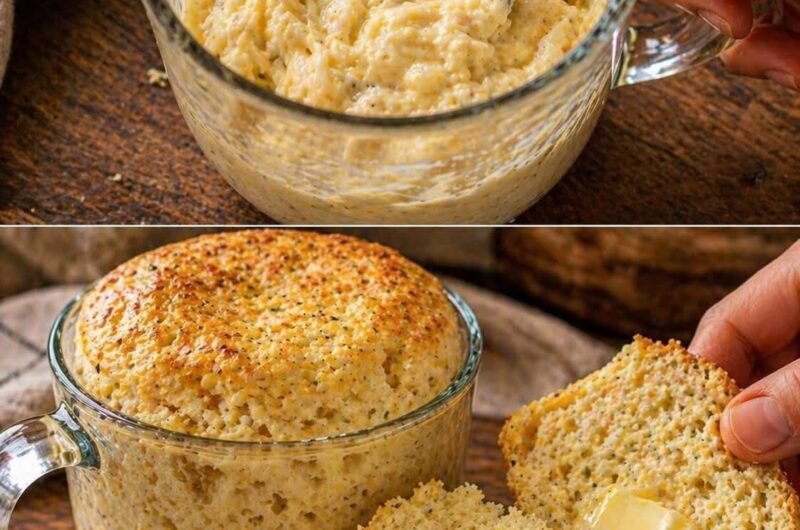
Freshly baked bread is one of the most comforting foods in any kitchen. The aroma, the warmth, and the soft texture make bread a favorite companion for breakfast, lunch, dinner, and snacks. However, traditional bread recipes often require yeast, lengthy proofing times, kneading, and oven baking. While these methods produce wonderful results, they are not always practical when time is limited.
This quick microwave mug bread recipe offers a convenient solution for anyone craving homemade bread without spending hours in the kitchen. Using a handful of everyday pantry ingredients and a microwave-safe mug, you can prepare a warm, fluffy bread in just a few minutes. It is ideal for busy professionals, students, beginners, and anyone looking for an easy homemade bread recipe.
The popularity of microwave bread continues to grow because people are increasingly searching for quick bread recipes, no-yeast bread alternatives, single-serving bread ideas, easy microwave baking recipes, and homemade bread without an oven. This simple method checks all those boxes while delivering delicious results.
What Makes Microwave Mug Bread So Convenient?
One of the biggest advantages of microwave bread is its speed. Traditional bread making can take several hours from start to finish. In contrast, this recipe allows you to enjoy freshly prepared bread in less than five minutes.
The microwave creates rapid heat that activates the baking powder almost immediately. This helps the batter rise quickly, creating a light and tender texture without requiring fermentation or proofing.
For people living in dorm rooms, studio apartments, RVs, or homes with limited kitchen equipment, microwave bread can be a practical alternative to conventional baking.
Why No-Yeast Bread Recipes Are Trending
Many home cooks feel intimidated by yeast-based recipes. Yeast can be sensitive to temperature, storage conditions, and proofing times. If not handled correctly, bread may fail to rise properly.
This microwave mug bread eliminates those concerns entirely. Instead of yeast, baking powder acts as the leavening agent. This means:
- No kneading required
- No rising time needed
- No proofing process
- No special baking equipment
- Faster preparation
- Consistent results
The simplicity makes this recipe perfect for beginner bakers.
Understanding How the Ingredients Work Together
Although the ingredient list is short, each ingredient plays an important role in creating the final texture and flavor.
Wheat Flour
Flour serves as the structural base of the bread. It provides body, stability, and texture. Wheat flour creates a soft crumb while remaining sturdy enough for slicing.
You may use all-purpose wheat flour for a lighter texture or experiment with partial whole wheat flour for additional fiber and nutrients.
Baking Powder
Baking powder is the key ingredient responsible for the bread’s rise. When heated, it releases gas bubbles that expand throughout the batter.
These tiny pockets create a fluffy and airy texture despite the absence of yeast.
Fresh baking powder is highly recommended because expired baking powder may produce dense or flat bread.
Salt
Even a small amount of salt dramatically improves flavor. It balances the taste and prevents the bread from tasting bland.
Milk
Milk contributes moisture, softness, and richness. It also helps create a smooth batter that cooks evenly.
Whole milk generally produces the softest texture, but reduced-fat milk can also be used successfully.
For dairy-free versions, unsweetened oat milk, soy milk, or almond milk can work well.
Oil or Melted Butter
Fat helps create tenderness and prevents dryness.
Vegetable oil often produces a softer crumb, while melted butter adds a richer flavor and aroma. Both options are excellent choices.
Optional Additions for Enhanced Flavor and Nutrition
The basic recipe is delicious on its own, but you can personalize it with wholesome additions that complement the original ingredients.
Popular options include:
- Chia seeds
- Ground flaxseed
- Sesame seeds
- Sunflower kernels
- Pumpkin seeds
- Mixed dried herbs
- Finely grated cheese
- Garlic powder
- Onion powder
- Cracked black pepper
These ingredients add flavor, texture, fiber, and nutritional value without changing the core recipe.
Benefits of Single-Serving Bread Recipes
Large loaves are wonderful, but sometimes you only need enough bread for one meal.
Single-serving recipes offer several advantages:
Less Food Waste
You prepare exactly what you need without leftovers becoming stale.
Portion Control
A mug bread recipe creates an individual serving that can fit into a balanced meal plan.
Fresh Every Time
Instead of storing bread for days, you can enjoy freshly made bread whenever the craving strikes.
Budget-Friendly Cooking
The ingredients are inexpensive and commonly available in most kitchens.
How Microwave Cooking Changes Bread Texture
Microwave baking differs from oven baking because microwaves heat moisture molecules directly.
As a result, microwave bread tends to be:
- Softer
- More moist
- Less crusty
- Faster to cook
While it won’t develop the thick golden crust associated with oven-baked artisan bread, it delivers excellent softness and convenience.
Expert Tips for Perfect Mug Bread
Mix Until Smooth
Make sure all dry ingredients are evenly distributed before adding liquids. This prevents flour pockets and uneven cooking.
Choose a Large Mug
The batter rises during cooking. A larger mug reduces the risk of overflow.
Monitor Cooking Time Carefully
Every microwave operates differently. Start with the shortest recommended cooking time and add small increments if necessary.
Allow a Short Rest Period
After cooking, let the bread rest for about one minute. This helps the structure stabilize and improves texture.
Use Fresh Ingredients
Fresh baking powder and fresh flour contribute to better flavor and rise.
Delicious Flavor Variations
One reason microwave bread remains popular is its versatility.
Garlic Herb Mug Bread
Add:
- Garlic powder
- Italian seasoning
- Dried oregano
- Dried parsley
This variation pairs beautifully with soups, pasta dishes, and roasted vegetables.
Cheese Bread
Mix in:
- Cheddar cheese
- Mozzarella cheese
- Parmesan cheese
The result is a rich and savory bread ideal for snacks and side dishes.
Cinnamon Breakfast Bread
Add:
- Ground cinnamon
- Small amount of sugar
- Few drops of vanilla extract
Serve with butter, honey, or cream cheese.
Spicy Bread
For extra heat, include:
- Paprika
- Crushed red pepper flakes
- Black pepper
This version complements savory meals particularly well.
Seeded Multigrain Style Bread
Combine:
- Chia seeds
- Flaxseeds
- Sesame seeds
- Sunflower seeds
These additions increase fiber and healthy fats while adding crunch.
Serving Ideas for Every Meal
Breakfast
Serve warm with:
- Butter
- Honey
- Fruit preserves
- Peanut butter
- Cream cheese
Lunch
Pair with:
- Vegetable soup
- Chicken soup
- Fresh salads
- Sandwich fillings
Dinner
Enjoy alongside:
- Pasta
- Curry
- Stew
- Grilled vegetables
Healthy Snacks
Top with:
- Avocado
- Hummus
- Cottage cheese
- Tomato slices
Common Mistakes to Avoid
Adding Too Much Flour
Too much flour creates dense bread. Measure carefully.
Using Expired Baking Powder
Old baking powder may prevent proper rising.
Overcooking
This is the most common issue. Excess microwave time can make the bread rubbery or dry.
Small Mug Selection
Always leave room for expansion during cooking.
Inadequate Mixing
Uneven mixing can leave dry pockets that affect texture.
Frequently Asked Questions
Can I use whole wheat flour?
Yes. Whole wheat flour adds a nutty flavor and additional fiber.
Is this recipe suitable for dairy-free diets?
Yes. Plant-based milk alternatives work well.
How do I know when the bread is cooked?
The surface should appear set and spring back gently when touched.
Can I double the recipe?
Yes, but use a larger microwave-safe container and increase cooking time gradually.
Should I use butter or oil?
Both work well. Oil creates extra softness, while butter provides richer flavor.
Final Thoughts
This microwave mug bread proves that homemade bread can be simple, quick, and satisfying. Whether you need a fast breakfast, an afternoon snack, or a side for dinner, this recipe delivers warm bread in minutes using basic ingredients.
Its flexibility allows countless flavor combinations, from savory herb versions to sweet breakfast-inspired creations. Once you master the basic technique, you can customize the recipe with your favorite seeds, herbs, cheeses, and seasonings.
For busy households, students, office workers, and beginner bakers, this easy microwave bread recipe offers a practical way to enjoy fresh homemade bread without the time commitment of traditional baking.
Part 2: Easy Microwave Mug Bread Recipe
Prep Time: 2 minutes
Cook Time: 1–2 minutes
Total Time: 3–4 minutes
Servings: 1
Ingredients
- 4 tablespoons wheat flour
- ½ teaspoon baking powder
- Pinch of salt
- 3 tablespoons milk
- 1 tablespoon oil or melted butter
Optional Add-Ins
- Garlic powder
- Mixed dried herbs
- Grated cheddar, mozzarella, or parmesan cheese
- Cinnamon and a little sugar
- Sesame seeds
- Flaxseeds
- Chia seeds
Instructions
- Add the wheat flour, baking powder, and salt to a microwave-safe mug.
- Stir the dry ingredients until evenly combined.
- Pour in the milk and oil (or melted butter).
- Mix thoroughly until a smooth batter forms with no dry flour remaining.
- Microwave on high for 60–90 seconds.
- Check the center. If needed, microwave for an additional 10–15 seconds at a time.
- Let the bread rest for 1 minute before serving.
- Enjoy warm with your favorite toppings.
Serving Suggestions
- Butter
- Honey
- Fruit jam
- Cream cheese
- Peanut butter
- Avocado
- Soup
- Salad
- Eggs
- Cheese spread