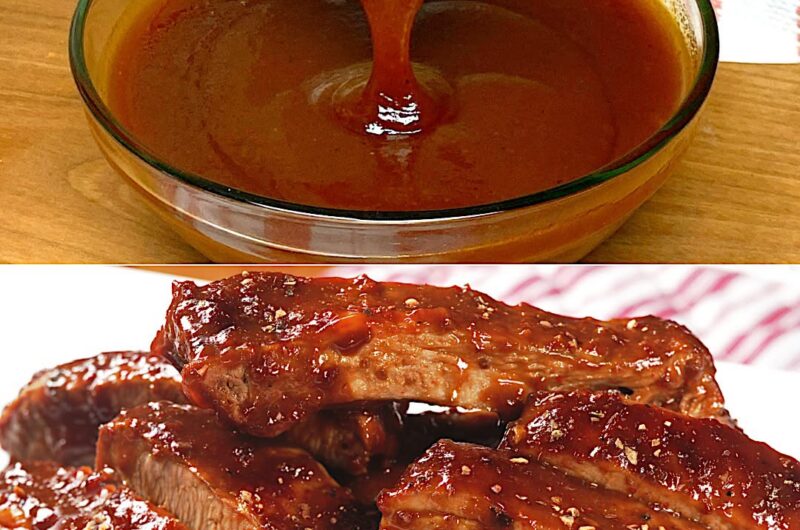
If you have ever opened a bottle of barbecue sauce and wished it had more flavor, making your own homemade BBQ sauce is an easy solution. This simple BBQ sauce recipe combines familiar pantry ingredients to create a rich, sweet, smoky, tangy condiment that works beautifully with grilled meats, burgers, sandwiches, fries, and more.
The best part about making BBQ sauce from scratch is that you can control the flavor and consistency yourself. Instead of relying on a ready-made bottle, you can slowly simmer ketchup with brown sugar, molasses, apple cider vinegar, mustard, Worcestershire sauce, smoked paprika, garlic, onion, and spices. As the sauce cooks, the individual flavors blend together and become deeper and more balanced.
This recipe is particularly useful when you’re preparing a barbecue, family dinner, weekend cookout, or meal-prep dishes. A jar of homemade barbecue sauce can quickly turn ordinary chicken, beef, pork, burgers, or roasted vegetables into something much more flavorful.
With only a handful of everyday ingredients and a little simmering time, you can prepare a sauce that tastes homemade because it is homemade.
What Makes This BBQ Sauce Special?
A good barbecue sauce needs balance. It should not be overwhelmingly sweet, acidic, spicy, or smoky. Instead, the different flavors should complement one another.
This sweet and smoky BBQ sauce gets its sweetness from brown sugar and molasses or honey. The apple cider vinegar adds acidity, helping cut through the richness while giving the sauce its characteristic tangy barbecue flavor.
Smoked paprika brings a gentle smoky note without requiring a smoker or outdoor grill. Mustard adds another layer of sharpness, while Worcestershire sauce contributes savory depth. Onion and garlic provide an aromatic foundation, and black pepper, salt, and cayenne create the seasoning balance.
The ketchup acts as the main base, giving the sauce body, color, and tomato flavor.
Once everything is gently cooked together, the result is a thick, glossy barbecue sauce with a combination of sweet, tangy, savory, and smoky flavors.
Why Make Barbecue Sauce at Home?
There are plenty of reasons to keep an easy homemade BBQ sauce recipe in your cooking collection.
First, homemade sauce gives you more control. If you prefer a sweeter sauce, you can enjoy the sweetness already provided by the brown sugar and molasses or honey. If you like more heat, the cayenne can be adjusted according to your preference.
Second, homemade barbecue sauce is convenient. Once prepared, it can be refrigerated and used throughout the week. Instead of preparing a sauce every time you grill, simply take the jar from the refrigerator and use the amount you need.
Third, the sauce is incredibly versatile. It isn’t limited to one particular meat or cooking method. You can brush it onto grilled chicken, serve it alongside fries, spread it over burgers, use it with pulled meat, or incorporate it into other dishes.
Most importantly, making your own sauce allows the ingredients to be combined exactly the way you like them.
Understanding the Flavor Balance
The secret to a flavorful homemade barbecue sauce is the relationship between sweet, sour, smoky, salty, and savory flavors.
The ketchup provides the familiar tomato base. Brown sugar contributes sweetness and helps create a thicker texture as the sauce simmers. Molasses provides a darker, deeper sweetness, while honey offers a lighter alternative if you prefer it.
Apple cider vinegar is important because it keeps the sauce from becoming too heavy or sugary. Its acidity gives the finished sauce a bright, tangy character.
Worcestershire sauce adds savory complexity. You may not immediately identify it in the finished sauce, but it helps bring the other flavors together.
Smoked paprika is especially useful when you want an authentic barbecue-style flavor without using a smoker. It contributes a warm smoky character that works particularly well with grilled foods.
Mustard brings a subtle sharpness, while garlic and onion add savory aromatics.
Finally, black pepper and cayenne provide seasoning and a small amount of heat.
The result is a sauce that isn’t simply sweet ketchup. Instead, it has multiple layers of flavor.
How to Get the Right BBQ Sauce Consistency
One of the easiest ways to customize homemade BBQ sauce is by controlling how long you simmer it.
If you want a thinner sauce for pouring or dipping, avoid reducing it too aggressively. For a thicker sauce that clings to grilled chicken or ribs, allow it to simmer longer.
As water evaporates during cooking, the sauce becomes thicker and more concentrated. This is why patience is important when preparing barbecue sauce from scratch.
Remember that the sauce can also become slightly thicker as it cools. Because of this, it is better to judge the final texture after the sauce has had a chance to cool slightly.
If your preferred consistency isn’t reached immediately, give it a little more time rather than adding additional ingredients.
How to Make Smooth Homemade BBQ Sauce
The onion and garlic add wonderful flavor, but they can leave the sauce with a more rustic texture.
For a completely smooth barbecue sauce, you can blend the cooked mixture once it has cooled enough to handle safely. Blending creates a smooth, glossy sauce that spreads easily over meat and works particularly well as a dipping sauce.
If you enjoy texture, however, you don’t necessarily need to blend it. A rustic sauce can have a more homemade appearance and still taste excellent.
Straining is another option if you want a particularly refined texture.
Whether you blend, strain, or leave the sauce as it is depends entirely on how you plan to use it.
Tips for Making the Best BBQ Sauce
Choose Smoked Paprika for Extra Depth
Smoked paprika is one of the most useful ingredients in this recipe. It provides a warm smoky flavor that complements grilled and roasted foods.
Because the recipe already contains smoked paprika, you don’t need to add artificial smoke flavor.
Keep the Heat Under Control
Cayenne pepper gives the sauce its heat. If you prefer a mild barbecue sauce, use the amount specified and avoid adding additional hot ingredients.
For those who enjoy spicy BBQ sauce, the cayenne can be increased according to personal preference.
Let the Sauce Simmer
Don’t rush the cooking process. Gentle simmering allows the ingredients to combine and gives the sauce a deeper flavor.
A longer simmer also helps concentrate the sauce and produces a thicker consistency.
Taste as You Cook
One advantage of preparing sauce at home is that you can taste it and decide whether the flavor suits your preference.
Remember that the flavor will develop as the sauce cooks, so taste near the end of the cooking process when making adjustments.
Blend for a Glossy Finish
If you’re using the sauce for burgers, sandwiches, or dipping, a smooth texture can be especially appealing.
Blend the cooked sauce until it reaches your preferred consistency.
Best Ways to Use Homemade BBQ Sauce
This easy BBQ sauce recipe is extremely versatile.
Use it as a glaze for grilled chicken, where the sweet and smoky flavors can caramelize beautifully over the heat. It can also be brushed onto burgers for an extra layer of flavor.
For fries, onion rings, roasted potatoes, or other sides, serve the sauce as a dipping condiment.
You can also use it with sandwiches. A spoonful of homemade barbecue sauce can add moisture and flavor to grilled or roasted meats.
If you’re preparing a summer cookout, keep a jar on the table so everyone can use as much as they like.
The sauce is also useful for meal preparation. Prepare it ahead of time, refrigerate it, and use small portions throughout the week.
Homemade BBQ Sauce for Grilling
When using barbecue sauce on a grill, timing matters.
Because this sauce contains sweet ingredients, applying it too early over very high heat may cause the sugars to caramelize quickly. For grilled meats, consider brushing the sauce toward the end of cooking so it develops a flavorful coating without burning too quickly.
You can also serve extra sauce on the side.
This makes the recipe particularly useful for grilled chicken, burgers, ribs, and other barbecue favorites.
Can Molasses Be Replaced with Honey?
Yes. The recipe allows either molasses or honey.
Molasses creates a darker, richer, more robust sweetness. Honey produces a lighter, smoother sweetness.
Both options work well in this homemade barbecue sauce recipe, so your choice can depend on what you already have available and the flavor profile you prefer.
If you want a deeper, more traditional-style sauce, molasses is an excellent choice. Honey is useful when you want a gentler sweetness.
Can This BBQ Sauce Be Made Spicier?
Absolutely.
The recipe already contains cayenne pepper, which provides heat. If you enjoy spicy barbecue flavors, you can increase the cayenne according to your preference.
However, it is best to increase spicy ingredients gradually. You can always add more heat, but it is difficult to remove excessive spice once it has been incorporated.
For a family-friendly barbecue sauce, keeping the heat moderate makes the sauce suitable for a wider range of tastes.
Do You Need to Blend Homemade BBQ Sauce?
No, blending is optional.
If you prefer a rustic homemade sauce, you can leave the cooked onion and garlic in the mixture. This creates a slightly more textured condiment.
If you want a smooth BBQ sauce that resembles the consistency of commercial sauces, blending is the better choice.
The important thing is to allow the sauce to cook properly before deciding on its final texture.
How to Store Homemade BBQ Sauce
Once the barbecue sauce has finished cooking, allow it to cool before transferring it into a clean, sterilized glass jar or airtight container.
Keep the sauce refrigerated and use a clean spoon whenever serving it. According to the supplied recipe, homemade BBQ sauce can be stored in the refrigerator for up to 2 weeks.
Because homemade sauces do not contain the same preservatives as many commercially produced products, proper refrigeration and clean handling are important.
If you notice an unusual smell, appearance, or texture, discard the sauce rather than consuming it.
Can Homemade BBQ Sauce Be Frozen?
Yes, freezing is a convenient way to preserve extra sauce.
Pour the cooled barbecue sauce into freezer-safe containers, leaving a little room for expansion. You can also portion it into ice cube trays if you want small amounts that are easy to thaw.
The supplied recipe recommends freezing the sauce for up to 3 months.
When you’re ready to use it, transfer the frozen sauce to the refrigerator and let it thaw overnight. Stir the sauce thoroughly before serving because the texture may change slightly during freezing and thawing.
Small frozen portions are particularly convenient when you only need a few spoonfuls for a meal.
Frequently Asked Questions About Homemade BBQ Sauce
Is homemade BBQ sauce difficult to make?
Not at all. This is a low-difficulty recipe. Most of the work involves combining the ingredients and allowing them to simmer so the flavors can develop.
How can I make BBQ sauce thicker?
Simmer the sauce for longer so some of the liquid evaporates. This concentrates the flavors while creating a thicker consistency.
What gives BBQ sauce its smoky flavor?
In this recipe, smoked paprika provides the main smoky character. It adds depth without requiring a smoker.
Can I use honey instead of molasses?
Yes. Honey is specifically included as an alternative to molasses in the recipe.
How long does homemade BBQ sauce last?
When stored properly in a sterilized airtight jar in the refrigerator, this recipe can last for up to two weeks.
Can I freeze BBQ sauce?
Yes. Store it in freezer-safe containers or ice cube trays and freeze for up to three months. Thaw overnight in the refrigerator and stir before using.
Is blending necessary?
No. Blending is optional and mainly affects texture. Blend the sauce if you want it smooth and glossy; leave it unblended for a more rustic consistency.
Final Thoughts
A reliable homemade BBQ sauce recipe is worth keeping in your kitchen because it can transform simple meals without requiring complicated cooking techniques. This version combines ketchup, brown sugar, molasses or honey, apple cider vinegar, Worcestershire sauce, mustard, smoked paprika, garlic, onion, and seasonings to create a balanced sweet, smoky, tangy sauce.
The recipe is simple enough for everyday cooking but flavorful enough for a weekend barbecue or summer cookout.
Once you’ve made your own BBQ sauce, you’ll also appreciate how easy it is to adjust the texture and heat to suit different meals. Keep it thick for glazing grilled meat, smooth for dipping, or slightly thinner for drizzling over burgers and sandwiches.
With simple pantry staples, a little simmering time, and proper storage, this easy homemade barbecue sauce can become a versatile condiment you’ll want to make again and again.
Part 2: Quick Homemade BBQ Sauce Recipe
Prep & Cooking Time: About 90 minutes
Difficulty: Easy
Yield: 1 jar
Style: Sweet, smoky, tangy, mildly spicy
Ingredients
Ketchup: 250g (1 cup)
½ onion
Brown sugar: 50g (¼ cup)
Molasses or honey: 50g (2½ tbsp)
Apple cider vinegar: 50g (3 tbsp + 1 tsp)
Water: 50g (3 tbsp + 1 tsp)
Worcestershire sauce: 12g (2½ tsp)
Mustard: 12g (2½ tsp)
Salt: 7g (1 tsp)
Smoked paprika: 3g (1 tsp)
1 garlic clove
Ground black pepper: 1g (¼ tsp)
Simple Method
Finely chop the onion and garlic.
Combine the ketchup, onion, brown sugar, molasses or honey, apple cider vinegar, water, Worcestershire sauce, mustard, salt, smoked paprika, garlic, and black pepper in a saucepan.
Place over low to medium heat and bring the mixture to a gentle simmer.
Cook slowly, stirring occasionally, until the flavors combine and the sauce reaches your preferred thickness.
Taste and adjust the heat with the cayenne already included in the recipe according to your preference.
For a smooth BBQ sauce, blend the cooked mixture carefully until glossy and uniform.
Allow the sauce to cool before transferring it to a clean, sterilized airtight jar.
Refrigerate and use within 2 weeks, or freeze for up to 3 months.
Serving idea: Use this sweet and smoky homemade BBQ sauce as a glaze for grilled chicken and meats, a topping for burgers, or a dipping sauce for fries and other sides.