abbage and eggs make a wonderful combination for a quick, affordable, and satisfying breakfast. This simple cabbage and eggs recipe transforms everyday ingredients into a warm, flavorful meal that is easy to prepare in one pan. The cabbage becomes tender as it cooks, developing a naturally sweet flavor, while the eggs add richness and protein. A little onion, garlic, and black pepper bring everything together without making the dish complicated. Whether you need a quick weekday breakfast, a light lunch, or an easy dinner, this savory cabbage and egg skillet is a practical choice. It requires basic kitchen ingredients, minimal preparation, and only a short cooking time.
Why Cabbage and Eggs Work So Well Together
Cabbage and eggs complement each other in both flavor and texture. Cabbage has a mild, slightly sweet taste that becomes softer and more delicate when cooked. Eggs provide a creamy, rich contrast and help turn the vegetables into a filling meal. Unlike complicated breakfast recipes that require several pans and long preparation, this dish can be made using a single skillet. The ingredients are inexpensive, easy to find, and suitable for everyday cooking. Another advantage is its flexibility. You can enjoy the cabbage and eggs as they are or serve them alongside toast, flatbread, or roasted potatoes. The result is a simple homemade meal that feels comforting without requiring much effort.
Choosing the Best Cabbage for This Recipe
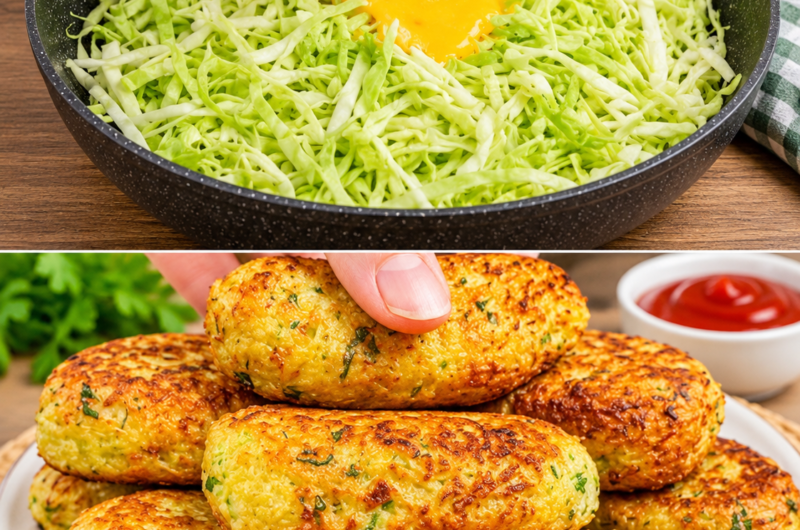
Fresh green cabbage is an excellent choice for this breakfast recipe because it cooks evenly and has a mild flavor. When shopping, look for a cabbage head that feels firm and heavy for its size. The outer leaves should look fresh and crisp rather than wilted, yellow, or damaged. Before cooking, remove any loose or damaged leaves and rinse the cabbage under cool running water. Cut it into quarters, remove the hard central core, and slice the remaining leaves into thin strips. Thinly sliced cabbage cooks faster and mixes more easily with the eggs. If the strips are too thick, they may remain firm while the eggs finish cooking, so keeping the pieces relatively even helps produce a better result.
Preparing the Ingredients Before Cooking
Preparing everything before turning on the stove makes this cabbage and eggs breakfast easier to manage. Start by washing and slicing the cabbage into thin strips. Peel the onion and chop it into small pieces so it softens quickly in the pan. Mince the garlic finely to distribute its flavor throughout the vegetables. Crack the eggs into a separate bowl and beat them lightly with a fork until the yolks and whites are combined. Measuring the salt, black pepper, and cooking oil in advance also helps prevent unnecessary delays. Once everything is ready, the actual cooking process becomes straightforward. This preparation method is particularly useful for beginners because it allows you to concentrate on the cooking rather than rushing to chop ingredients while the pan is already hot.
How to Cook Cabbage Until Perfectly Tender
The most important part of this recipe is cooking the cabbage until it reaches the texture you enjoy. Heat the cooking oil in a large skillet over medium heat. Add the chopped onion and cook until it becomes soft and slightly translucent. Stir in the garlic and cook briefly, taking care not to let it burn. Add the sliced cabbage and mix everything together. Season with salt and black pepper, then continue cooking while stirring occasionally. The cabbage will gradually soften and release some moisture. If you prefer a tender texture, cook it for a few additional minutes. For a slightly crisp result, reduce the cooking time. Avoid using excessively high heat because the cabbage can brown too quickly before the thicker pieces become tender.
Adding Eggs to the Cooked Cabbage
Once the cabbage has softened, it is time to add the eggs. There are two simple ways to do this. You can pour the beaten eggs directly over the cabbage and gently stir until they form soft curds, or create small spaces in the cabbage mixture and pour the eggs into those areas. The first method distributes the eggs more evenly, creating a dish similar to scrambled eggs with vegetables. The second method produces larger pieces of cooked egg throughout the cabbage. Keep the heat at medium-low while the eggs cook. Stir gently and avoid overcooking because eggs can become dry and rubbery when exposed to heat for too long. Remove the skillet from the stove when the eggs are fully set but still moist.
The Best Seasonings for Cabbage and Eggs
One reason this recipe works so well is that it does not need complicated seasoning. Salt and black pepper provide a simple foundation that allows the natural flavor of the cabbage and eggs to stand out. Garlic adds a pleasant savory aroma, while onion contributes mild sweetness. You can adjust the seasoning according to your taste, but it is best to start with a moderate amount and add more if needed. A little paprika or chili flakes can also be used when you want extra warmth and flavor. Fresh herbs such as parsley or coriander make a pleasant finishing touch. These additions are optional and should be adjusted according to your preferred flavor.
Tips for Making the Best Cabbage and Eggs Breakfast
A few simple cooking habits can make a noticeable difference in the final dish. First, slice the cabbage evenly so that all the pieces cook at approximately the same rate. Second, allow the onion to soften before adding the cabbage because this develops a better flavor base. Third, avoid overcrowding the skillet. A large pan gives the cabbage enough space to cook evenly instead of steaming excessively. If you have a smaller skillet, cook the cabbage in batches. Another important tip is to lower the heat before adding the eggs. Gentle heat helps create a soft texture and reduces the chance of overcooking. Finally, taste the dish before serving and adjust the salt and pepper if necessary.
How to Serve Cabbage and Eggs
Cabbage and eggs can be served in several different ways depending on the meal and your preferences. For breakfast, serve the mixture warm with toasted bread, whole-grain toast, or a slice of homemade flatbread. If you prefer a more substantial meal, pair it with roasted potatoes or a small serving of rice. The dish also works well as a filling for breakfast wraps. Simply place the cooked cabbage and eggs inside a warm tortilla or flatbread and fold it into a convenient meal. Fresh tomato slices, cucumber, or a simple green salad can provide a refreshing contrast to the warm skillet mixture. Serve immediately for the best texture and flavor.
Making the Recipe Suitable for Different Tastes
One of the best features of cabbage and eggs is how easily the recipe can be adapted. If you enjoy mild flavors, keep the seasoning simple with salt, pepper, onion, and garlic. For a spicier version, add chili flakes or fresh green chilies. If you like additional vegetables, finely chopped bell peppers or grated carrots can be cooked with the cabbage. However, remember that extra vegetables may change the cooking time and moisture level. You can also sprinkle fresh parsley or coriander over the finished dish. These variations allow you to prepare the same basic recipe in different ways without changing its simple cooking method.
Is Cabbage and Eggs a Good Breakfast Choice?
Cabbage and eggs can be a satisfying breakfast because they combine vegetables with a source of protein. Eggs contain protein and several essential nutrients, while cabbage provides dietary fiber and vitamin C. The combination creates a meal that can be filling without relying on complicated ingredients. The overall nutritional value depends on the quantities used and the amount of cooking oil added. Serving the dish with whole-grain bread or another preferred side can make it more substantial. It is also easy to adjust the portion size depending on your appetite. For anyone looking for a straightforward savory breakfast, this combination is a useful addition to an everyday meal rotation.
Common Mistakes to Avoid When Cooking Cabbage and Eggs
A common mistake is cutting the cabbage into large, uneven pieces. Thick pieces take longer to soften and may create an inconsistent texture. Another mistake is cooking the vegetables over very high heat. Although a little browning can add flavor, excessive heat may burn the garlic and leave the cabbage unevenly cooked. Adding the eggs too early is another problem because they may become overcooked before the cabbage is ready. Always allow the vegetables to reach your preferred tenderness first. Finally, avoid stirring the eggs continuously over high heat. Gentle stirring over moderate or low heat helps maintain a soft, pleasant texture.
How to Store Leftover Cabbage and Eggs
If you have leftovers, allow the cooked mixture to cool slightly before transferring it to a clean, airtight food container. Refrigerate promptly and keep the dish at 40°F (4°C) or below. For food safety, cooked egg dishes should generally be used within three to four days when properly refrigerated. When reheating, use a skillet over low heat or a microwave until the food is steaming hot throughout. Add a small splash of water if the mixture appears dry, and stir gently while reheating. Avoid leaving cooked eggs at room temperature for more than two hours. For the best texture, prepare only the amount you expect to eat and enjoy the dish freshly cooked whenever possible.
Frequently Asked Questions About Cabbage and Eggs
Can I use red cabbage instead of green cabbage?
Yes. Red cabbage can be used, although it has a slightly stronger flavor and may take a little longer to soften. It also gives the finished dish a different color.
Should I boil the cabbage before frying it?
No. Thinly sliced cabbage can be cooked directly in the skillet. This saves preparation time and allows the cabbage to develop flavor as it cooks with the onion and garlic.
Can I add eggs without beating them first?
Yes. You can crack the eggs directly into the skillet and gently mix them with the cabbage. Beating them beforehand simply helps distribute the egg more evenly.
How do I prevent the eggs from becoming dry?
Cook the eggs over medium-low heat and remove the skillet from the stove as soon as they are fully set. Avoid prolonged cooking.
Can I prepare this breakfast ahead of time?
You can wash and slice the cabbage, chop the onion, and prepare the garlic in advance. Store the prepared vegetables in the refrigerator and cook the eggs fresh for the best texture.
Can I make this recipe without onion?
Yes. Onion is included for flavor, but the dish can still be prepared without it. Garlic, salt, and black pepper will provide a simple savory taste.
Final Thoughts on This Easy Cabbage and Eggs Recipe
This cabbage and eggs breakfast is proof that everyday ingredients can create a delicious and satisfying meal. With fresh cabbage, eggs, onion, garlic, and a few basic seasonings, you can prepare a warm skillet breakfast without spending a long time in the kitchen. The recipe is beginner-friendly, budget-conscious, and easy to customize according to your preferred texture and flavor. Serve it with toast, flatbread, or your favorite breakfast sides, and enjoy it while warm. Whether you prepare it for breakfast, lunch, or a light dinner, this simple cabbage and egg combination is a practical recipe worth keeping in your regular cooking collection.
Part 2: Structured Recipe Card
Cabbage and Eggs Breakfast
Description: A quick and delicious savory breakfast made with tender cabbage, fluffy scrambled eggs, onion, and garlic. This easy one-pan cabbage and eggs recipe uses simple ingredients and is perfect for a satisfying homemade meal.
Preparation Duration: 10 minutes
Cooking Duration: 15 minutes
Total Duration: 25 minutes
Serving: 2 people
Ingredients
- 2 cups green cabbage, thinly sliced
- 4 large eggs
- 1 small onion, finely chopped
- 2 cloves garlic, minced
- 1 tablespoon cooking oil
- ½ teaspoon salt, or to taste
- ¼ teaspoon ground black pepper
Step-by-Step Instructions
- Prepare the cabbage: Remove the outer leaves, wash the cabbage thoroughly, remove the hard core, and slice it into thin strips.
- Prepare the remaining ingredients: Finely chop the onion, mince the garlic, and crack the eggs into a bowl. Beat the eggs lightly with a fork.
- Heat the oil: Place a large skillet over medium heat and add the cooking oil.
- Cook the onion: Add the chopped onion and sauté for approximately 2–3 minutes until soft and translucent.
- Add the garlic: Stir in the minced garlic and cook for approximately 30 seconds until fragrant.
- Cook the cabbage: Add the sliced cabbage to the skillet. Season with salt and black pepper, then stir to combine.
- Soften the vegetables: Cook for approximately 7–10 minutes, stirring occasionally, until the cabbage reaches your preferred tenderness.
- Add the eggs: Pour the beaten eggs over the cooked cabbage and gently stir to distribute them throughout the mixture.
- Finish cooking: Continue cooking over medium-low heat until the eggs are fully set and softly scrambled.
- Serve: Remove the skillet from the heat and serve immediately while warm.
Nutritional Information
Approximate values per serving, based on two servings.
- Calories: 220 kcal
- Protein: 13 g
- Total Fat: 15 g
- Saturated Fat: 3.5 g
- Carbohydrates: 9 g
- Dietary Fiber: 2.5 g
- Sugar: 4 g
- Sodium: 650 mg
Notes
- Slice the cabbage thinly for faster and more even cooking.
- Adjust the cooking time depending on whether you prefer soft or slightly crisp cabbage.
- Keep the heat moderate when cooking the eggs to prevent them from becoming dry.
- Add chili flakes or fresh herbs if you enjoy extra flavor.
- Serve immediately for the best taste and texture.
- Refrigerate leftovers promptly in an airtight container and consume within three to four days.