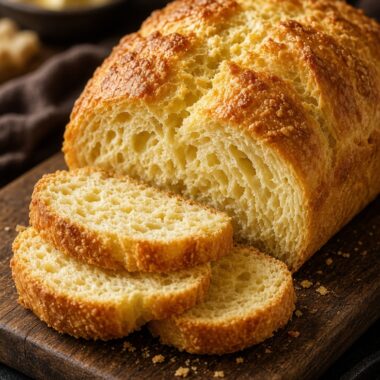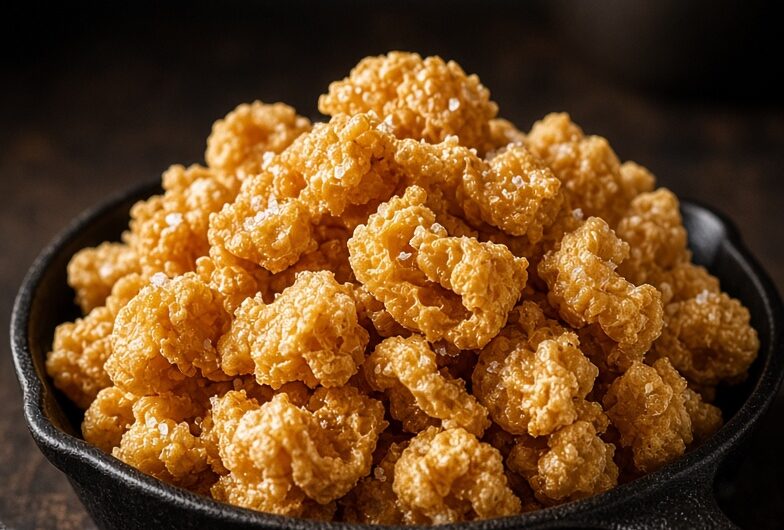
Carnivore Popcorn is a delicious, crunchy, bite-sized snack made with animal-based ingredients instead of traditional corn or grain-based coatings. This recipe uses small pieces of chicken coated in finely crushed pork rinds, eggs, and simple seasonings before being cooked until golden and crispy. The result is a popcorn-style chicken snack with a crunchy outside and tender, juicy center. It is a great option for people exploring carnivore recipes, low-carb snacks, or grain-free alternatives to traditional popcorn chicken. Although it does not taste exactly like movie-theater popcorn, its small, bite-sized pieces make it just as enjoyable to snack on. Serve it fresh from the oven, air fryer, or skillet for a satisfying homemade treat that is easy to prepare.
2. Why You Will Love This Easy Carnivore Popcorn Recipe
There are plenty of reasons to add this easy carnivore popcorn recipe to your collection of homemade snacks. It requires simple ingredients, does not rely on wheat flour or breadcrumbs, and can be prepared without complicated cooking techniques. The crushed pork rinds create a crispy coating that becomes beautifully golden during cooking, while the chicken stays tender inside. Another advantage is that the pieces are small and easy to serve, making them suitable for lunch, dinner, or an afternoon snack. You can prepare them in an air fryer for convenience or cook them in a skillet when you want a richer, fried texture. The recipe is also easy to customize with different cheeses and animal-based ingredients, depending on your preferred way of eating.
3. What Makes Carnivore Popcorn Different from Regular Popcorn Chicken?
Traditional popcorn chicken is usually made by coating small chicken pieces in wheat flour, breadcrumbs, or a seasoned batter before frying. Carnivore popcorn takes a different approach by using crushed pork rinds as the main coating ingredient. Pork rinds provide a dry, crunchy texture that works well as a substitute for conventional breadcrumbs. Eggs help the coating stick to the chicken, while the meat provides the main flavor and protein. The finished pieces are similar in appearance to popcorn chicken, with a golden exterior and juicy interior, but they have a more savory, meat-focused taste. This makes the recipe particularly interesting for people looking for flour-free chicken snacks or alternatives to traditional fried foods. It is important to remember that the texture will differ slightly from standard restaurant-style popcorn chicken.
4. Choosing the Best Chicken for Carnivore Popcorn
Boneless, skinless chicken breast is an excellent choice for this recipe because it is easy to cut into small, even pieces. Chicken breast has a mild flavor that works well with the crispy pork rind coating and allows the outside texture to stand out. If you prefer a juicier result, boneless chicken thighs are another good option because they contain more natural fat. Whichever cut you choose, try to make the pieces approximately the same size so they cook evenly. Smaller pieces are ideal because they create the familiar bite-sized appearance associated with popcorn chicken. Avoid cutting some pieces extremely small while leaving others large, as this can result in uneven cooking. Keep the chicken refrigerated until preparation and use a clean cutting board and knife when handling raw poultry.
5. Why Pork Rinds Are Perfect for a Crispy Coating
Crushed pork rinds are the key ingredient that gives carnivore popcorn its crunchy exterior. Unlike traditional breadcrumbs, pork rinds are made from pork skin and can be crushed into fine crumbs for coating meat. When cooked, they develop a crisp texture that works particularly well with chicken. For the best results, use plain pork rinds without added flavors or sweet seasonings. Place them in a food processor and pulse until they resemble fine breadcrumbs. You can also put them inside a sealed food bag and crush them using a rolling pin. A finer texture helps the crumbs stick more evenly to the chicken and reduces the chance of large pieces falling off during cooking. Avoid turning the pork rinds into a completely smooth powder because a little texture helps create a more satisfying crunchy coating.
6. The Importance of Eggs in Carnivore Popcorn
Eggs play an important role in helping the pork rind coating stay attached to the chicken. Without a binding layer, the crushed pork rinds may fall away during cooking, leaving some pieces unevenly coated. Whisking the eggs in a shallow bowl creates a simple dipping mixture that allows the coating to adhere to the surface of each chicken piece. Make sure the chicken is not excessively wet before dipping it into the egg mixture. You want a thin, even layer rather than large amounts of liquid. After dipping, allow excess egg to drip away before transferring the pieces into the crushed pork rinds. This method helps create a more consistent coating and makes the finished carnivore popcorn look attractive and evenly browned.
7. Adding Parmesan Cheese for Extra Crunch and Flavor
Parmesan cheese is an optional ingredient that can make the coating richer and more flavorful. Its naturally savory taste complements chicken and pork rinds, creating a delicious combination. Finely grated Parmesan is generally easier to distribute throughout the coating than large cheese pieces. When heated, the cheese helps develop a golden exterior and adds another layer of flavor. However, Parmesan can brown quickly, especially when cooked at high temperatures, so keep an eye on the chicken while it cooks. If you prefer a simpler carnivore popcorn recipe, you can leave the Parmesan out and use pork rinds alone. The basic coating is already flavorful and provides plenty of crunch. Choose a plain Parmesan product and check the ingredient label if you prefer to avoid additional fillers or starches.
8. Preparing the Chicken for Even Cooking
Before making the coating, prepare the chicken carefully. Remove any unwanted fat or connective tissue, then cut the meat into small cubes approximately one inch in size. Try to keep each piece similar in thickness so that the chicken cooks at a consistent rate. Place the pieces in a bowl and pat away excess surface moisture using paper towels. This step helps the egg mixture and pork rind crumbs adhere more effectively. If the chicken is too wet, the coating may become patchy or slide off during cooking. Once the chicken is prepared, arrange the pieces on a clean plate. Keep the raw chicken separate from the bowls containing the coating ingredients to prevent cross-contamination. Working with a small number of pieces at a time also makes the coating process easier and less messy.
9. How to Prepare the Carnivore Popcorn Coating
The coating is simple to prepare and requires only a few minutes. Place finely crushed pork rinds in a shallow bowl and add grated Parmesan if you are using it. Mix the ingredients until they are evenly combined. In a separate bowl, whisk the eggs until the yolks and whites are fully blended. Arrange the bowls next to each other so you can move easily between the egg mixture and pork rind crumbs. Take one piece of chicken at a time, dip it into the egg, and then transfer it into the coating. Turn the chicken gently until all sides are covered. Place each coated piece on a clean tray, leaving a little space between them. Avoid pressing too hard because this can make the coating overly compact. A light, even layer gives the finished pieces a pleasant crunchy texture.
10. How to Make Carnivore Popcorn in an Air Fryer
An air fryer is one of the easiest ways to prepare carnivore popcorn because it cooks the chicken with circulating hot air and requires less cooking fat than deep frying. Preheat the air fryer to 380°F (193°C). Arrange the coated chicken pieces in a single layer inside the basket, leaving space between them so hot air can circulate. Depending on the size of your air fryer, you may need to cook the chicken in several batches. Lightly spray or brush the coated pieces with cooking fat if desired. Cook for approximately 10–15 minutes, turning the pieces halfway through the cooking process. The exact time depends on the size of the chicken pieces and your appliance. Check the thickest piece with a food thermometer to make sure the internal temperature reaches 165°F (74°C) before serving.
11. Making Carnivore Popcorn in the Oven
If you do not have an air fryer, a conventional oven works well for this recipe. Begin by preheating the oven to 400°F (200°C). Line a baking tray with parchment paper or place a suitable wire rack over the tray. Arrange the coated chicken pieces in a single layer, making sure they do not touch each other too closely. A wire rack allows hot air to circulate around the chicken and helps the coating become crisp on multiple sides. Bake for approximately 18–22 minutes, turning the pieces halfway through if you are using a flat baking tray. Cooking time may vary depending on the size of the chicken pieces and your oven. Always check that the thickest pieces have reached 165°F (74°C) internally before removing them from the oven.
12. How to Cook Carnivore Popcorn in a Skillet
For people who prefer a more traditional fried texture, cooking carnivore popcorn in a skillet is another excellent option. Heat a suitable amount of cooking fat in a heavy skillet over medium heat. Butter, beef tallow, or another animal-based cooking fat can be used according to your preference. Once the fat is hot, carefully add the coated chicken pieces in small batches. Avoid overcrowding the skillet because this can reduce the temperature and cause the coating to become soggy. Turn the pieces occasionally so they brown evenly on all sides. Cook until the coating becomes golden and crispy and the chicken is fully cooked. Transfer the finished pieces to a plate lined with paper towels to remove excess fat. Check the internal temperature of the chicken before serving.
13. How to Get Extra Crispy Carnivore Popcorn
Achieving a crispy coating depends on several small preparation details. First, make sure the pork rinds are finely crushed but not completely powdered. A consistent crumb size helps the coating develop a more even texture. Second, remove excess moisture from the chicken before dipping it into the egg mixture. Too much moisture can make the coating slide off or become soft during cooking. Third, avoid overcrowding the air fryer basket or skillet. Chicken pieces need enough space for hot air or heat to circulate around them. Finally, serve the popcorn shortly after cooking. As the chicken cools, moisture can soften the outer coating. If you want to prepare a larger batch, cook it in smaller portions and keep the finished pieces warm in a low-temperature oven until everything is ready.
14. Common Mistakes to Avoid When Making Carnivore Popcorn
One common mistake is cutting the chicken into uneven pieces. Large pieces may need significantly more cooking time than small ones, making it difficult to achieve consistent results. Another problem is using pork rinds that have not been crushed finely enough. Large pieces can create an uneven coating and may fall off during cooking. Adding too much egg can also make the coating wet and heavy. Allow excess egg to drip away before applying the pork rind crumbs. Overcrowding is another issue, particularly when using an air fryer. When the pieces are packed too closely together, they may steam instead of becoming crispy. Finally, do not rely only on the outside color to judge whether chicken is cooked. Use a food thermometer to confirm that the center reaches a safe internal temperature of 165°F (74°C).
15. Best Ways to Serve Carnivore Popcorn
Carnivore popcorn is best served fresh while the coating is still crispy. You can place the cooked chicken pieces in a serving bowl or arrange them on a plate for an attractive presentation. They work well as a quick snack, appetizer, or part of a larger meal. If you follow a meat-focused eating approach, you can serve them alongside other animal-based dishes such as grilled beef, eggs, or cheese. For a simple presentation, add a little grated Parmesan over the warm pieces. You can also serve the chicken with melted butter or a small bowl of warm cheese sauce if these ingredients fit your dietary preferences. Because the pieces are small, they are convenient for sharing and easy to portion into individual servings.
16. Can You Make Carnivore Popcorn Without Pork Rinds?
Pork rinds provide the main crunchy coating in this recipe, so removing them will change the final texture. If you want to avoid pork rinds, you can prepare small pieces of chicken with an egg and Parmesan coating instead. This will create a different result, with a thinner and more cheese-focused exterior. Another option is to use finely grated hard cheese as the coating, although it may brown more quickly and require closer attention during cooking. Keep in mind that these alternatives will not produce exactly the same crunch as crushed pork rinds. If your goal is to make the original recipe, pork rinds are the recommended choice. Choose plain varieties without additional seasoning if you want to maintain a simple animal-based ingredient list.
17. Is Carnivore Popcorn Suitable for Keto and Low-Carb Diets?
Carnivore popcorn made with chicken, eggs, pork rinds, and Parmesan is naturally free from traditional wheat flour and breadcrumbs. This makes it a potential option for people following low-carbohydrate or ketogenic meal plans. The actual carbohydrate content depends on the products used, especially packaged pork rinds and grated cheese. Some commercial products contain added starches, seasonings, or other ingredients that may contribute carbohydrates. Checking nutrition labels is useful when tracking daily intake. A carnivore diet and a ketogenic diet are not exactly the same. Carnivore eating generally emphasizes animal-based foods, while keto allows a wider variety of low-carbohydrate foods. This recipe is designed around animal-based ingredients, but individual dietary needs and food preferences should always guide how it is served.
18. How to Store and Reheat Leftover Carnivore Popcorn
Although carnivore popcorn tastes best immediately after cooking, leftovers can be stored for another meal. Allow the chicken to cool slightly, then place it in an airtight food container and refrigerate it promptly. Cooked chicken should generally be consumed within three to four days when kept refrigerated at 40°F (4°C) or below. For reheating, an air fryer is a useful choice because it can help restore some of the original crunch. Reheat at approximately 350°F (175°C) until the pieces are thoroughly hot. A conventional oven also works well. Microwaving is convenient, but it may soften the pork rind coating. Avoid leaving cooked chicken at room temperature for more than two hours. If you prepare extra portions, refrigerate them promptly and reheat only the amount you plan to eat.
19. Frequently Asked Questions About Carnivore Popcorn
What is carnivore popcorn made of?
Carnivore popcorn is a popcorn-style chicken snack made with small chicken pieces, eggs, and crushed pork rinds. Parmesan cheese can also be included for extra flavor.
Does carnivore popcorn taste like regular popcorn?
No. It is closer to crispy popcorn chicken than traditional corn popcorn. It has a savory meat flavor and a crunchy coating.
Can I make carnivore popcorn in an air fryer?
Yes. The air fryer is an excellent option. Cook the coated chicken at approximately 380°F (193°C) for 10–15 minutes, turning halfway through and checking for an internal temperature of 165°F (74°C).
Can I use chicken thighs instead of chicken breast?
Yes. Boneless chicken thighs work well and usually produce a juicier result because they contain more fat.
Why is my pork rind coating falling off?
Excess moisture on the chicken or too much egg mixture can prevent the coating from sticking properly. Pat the chicken dry and allow excess egg to drip away before coating.
Can I make carnivore popcorn without Parmesan?
Absolutely. Parmesan is optional. Crushed pork rinds and eggs are enough to create the basic coating.
Can I deep-fry carnivore popcorn?
Yes. You can cook the coated chicken in hot cooking fat in small batches. Make sure the chicken reaches an internal temperature of 165°F (74°C).
Is carnivore popcorn keto-friendly?
The basic ingredients are generally low in carbohydrates. However, check the labels of packaged pork rinds and cheese for added ingredients.
Can I freeze carnivore popcorn?
Yes. Allow the cooked chicken to cool, freeze the pieces in a single layer, and then transfer them to a freezer-safe container. Reheat thoroughly before eating.
How do I make carnivore popcorn extra crunchy?
Use finely crushed pork rinds, remove excess moisture from the chicken, avoid overcrowding, and serve immediately after cooking.
Carnivore Popcorn – Crispy Pork Rind Chicken Bites
Description: These crispy carnivore popcorn bites are made with tender chicken pieces coated in crushed pork rinds and eggs, with optional Parmesan cheese for extra savory flavor. Cooked until golden and crunchy, they make an easy animal-based snack or appetizer without traditional flour or breadcrumbs.
Course: Snack / Appetizer / Main Course
Preparation Duration: 15 minutes
Cooking Duration: 10–15 minutes (air fryer)
Total Duration: Approximately 25–30 minutes
Serving: 4 servings
Ingredients
- 1 lb boneless, skinless chicken breast
- 2 large eggs
- 1 cup crushed plain pork rinds
- ½ cup finely grated Parmesan cheese (optional)
- ½ teaspoon salt, or to taste
- 2 tablespoons melted butter or beef tallow (optional, for cooking)
Step-by-Step Instructions
- Prepare the Chicken: Cut the chicken breast into small, bite-sized cubes, approximately one inch in size.
- Dry the Chicken: Use paper towels to remove excess moisture from the chicken pieces.
- Crush the Pork Rinds: Place the pork rinds in a food processor and crush them into fine crumbs. Transfer them to a shallow bowl.
- Prepare the Coating: Mix the crushed pork rinds with the grated Parmesan cheese, if using.
- Whisk the Eggs: Crack the eggs into another shallow bowl and whisk until smooth.
- Season the Chicken: Sprinkle salt over the chicken pieces and mix gently.
- Coat the Chicken: Dip each chicken piece into the egg mixture, allowing excess egg to drip away.
- Add the Pork Rind Coating: Transfer the chicken into the pork rind mixture and turn until all sides are covered.
- Preheat the Air Fryer: Set the air fryer to 380°F (193°C) and allow it to preheat.
- Arrange the Chicken: Place the coated chicken pieces in a single layer inside the air fryer basket. Leave space between the pieces.
- Cook Until Crispy: Air fry for approximately 10–15 minutes, turning halfway through cooking.
- Check Doneness: Use a food thermometer to confirm that the thickest chicken pieces reach an internal temperature of 165°F (74°C).
- Finish and Serve: Remove the chicken pieces and allow them to rest briefly before serving.
Nutritional Information
<text color=”secondary” size=”xs”>Estimated values per serving, based on four servings and without optional Parmesan or additional cooking fat.</text>
- Calories: Approximately 250 kcal
- Protein: Approximately 42 g
- Total Fat: Approximately 9 g
- Carbohydrates: Approximately 1 g
- Fiber: 0 g
- Net Carbs: Approximately 1 g
- Sugar: Approximately 0 g
- Sodium: Approximately 500 mg
Nutrition varies according to the chicken, pork rind, and cheese brands used.
Notes
- Chicken breast provides a leaner result, while chicken thighs create juicier bites.
- Crush pork rinds finely for an even coating.
- Plain pork rinds are recommended for a simple carnivore-style recipe.
- Pat chicken dry before coating to help the crumbs stick.
- Do not overcrowd the air fryer basket.
- Turn the chicken halfway through cooking for more even browning.
- Always check that chicken reaches 165°F (74°C) internally.
- Parmesan is optional but adds extra savory flavor.
- For oven cooking, bake at 400°F (200°C) for approximately 18–22 minutes.
- For skillet cooking, use medium heat and cook in small batches.
- Serve immediately for the crispiest texture.
- Refrigerate leftovers promptly and consume within three to four days.