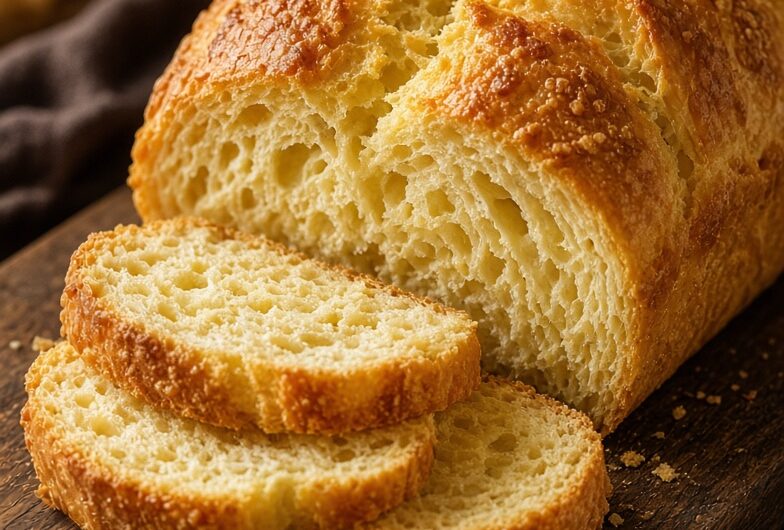
Carnivore bread is a flour-free alternative to traditional homemade bread, prepared with animal-based ingredients such as eggs, cheese, butter, and pork rinds. Unlike conventional bread, which relies on wheat flour, yeast, and grains to create its structure, this recipe uses eggs and crushed pork rinds to form a firm, sliceable loaf. Cheese adds richness and helps create a soft interior, while butter contributes moisture and flavor. The finished bread has a savory taste and a texture that is different from ordinary sandwich bread, making it a useful option for people exploring carnivore recipes or low-carb bread alternatives. It can be sliced for breakfast, served alongside a meat-based meal, or toasted in a skillet with butter. Best of all, the preparation is simple and does not require kneading or rising time.
2. Why This Easy Carnivore Bread Recipe Is Worth Trying
Making bread without traditional flour may sound difficult, but this easy carnivore bread recipe keeps the process straightforward. You do not need a stand mixer, yeast, complicated ingredients, or special bread-making equipment. A mixing bowl, whisk, loaf pan, and oven are enough to prepare the mixture and bake it into a savory loaf. Eggs provide the main structure, while cream cheese and mozzarella create a rich texture. Finely crushed pork rinds help give the bread additional body and make the slices easier to handle once cooled. Another advantage is its versatility. You can enjoy it plain, add butter, or use it as a base for simple meat sandwiches. If you are searching for homemade carnivore bread without wheat flour, this recipe is a practical starting point.
3. How Carnivore Bread Is Different from Regular Bread
Traditional bread depends on flour, water, and usually yeast to develop its familiar soft and chewy structure. Carnivore bread uses a completely different combination of ingredients. Instead of gluten from wheat flour, eggs help bind the mixture and create structure during baking. Cheese contributes moisture and richness, while pork rind crumbs provide additional substance. Because these ingredients behave differently from flour and yeast, the finished loaf will not have exactly the same texture as conventional sandwich bread. It is generally denser, more savory, and closer to a soft baked egg-and-cheese loaf. Understanding this difference helps set the right expectations before baking. The goal is not to reproduce ordinary bakery bread exactly, but to make a satisfying flour-free alternative that can be sliced, toasted, and served in several ways.
4. Choosing the Right Eggs for Homemade Carnivore Bread
Eggs are one of the most important ingredients in this recipe because they help hold the loaf together. When heated in the oven, the proteins in the eggs set and create a stable structure. This is especially important in a recipe without wheat flour or gluten. Fresh, large eggs are recommended because they provide consistent volume and help the other ingredients combine evenly. Before mixing, allow refrigerated eggs to sit at room temperature briefly if convenient. This can make it easier to combine them with softened cream cheese. Crack the eggs into a separate bowl first so that any unwanted shell pieces can be removed before adding them to the main mixture. Whisk them until the yolks and whites are combined, creating a smooth base for the remaining ingredients.
5. Why Cream Cheese Creates a Soft and Rich Texture
Cream cheese gives carnivore bread its creamy texture and helps prevent the finished loaf from becoming overly dry. Its mild flavor works well with eggs, mozzarella, butter, and pork rind crumbs. When mixed with eggs, softened cream cheese creates a smooth batter that spreads evenly in the loaf pan. It also contributes a rich mouthfeel that makes each slice more satisfying. For the best result, use softened cream cheese rather than adding it directly from the refrigerator in a very firm block. Cold cream cheese can form small lumps that are difficult to distribute throughout the mixture. Allowing it to soften makes mixing easier and helps create a more consistent batter. Full-fat cream cheese is recommended for this recipe because it provides the richness expected from a savory carnivore-style loaf.
6. The Role of Mozzarella Cheese in Carnivore Bread
Mozzarella cheese adds a mild dairy flavor and helps give the bread a pleasant, slightly stretchy texture. When baked, mozzarella melts into the egg and cream cheese mixture, contributing to the structure of the loaf. Its relatively mild taste allows the other ingredients to remain noticeable without making the bread too sharp or salty. Shredded mozzarella is convenient because it mixes easily with the other ingredients and distributes throughout the batter. Finely shredded cheese is particularly useful when you want a more even texture. If possible, use low-moisture mozzarella to avoid adding unnecessary liquid to the mixture. Too much moisture can affect the baking process and make the center take longer to set. The mozzarella also helps create a lightly golden surface as the loaf bakes.
7. Why Crushed Pork Rinds Work as a Flour Alternative
Crushed pork rinds are an important ingredient in this flour-free bread recipe. They are made from cooked pork skin and provide a dry, crumb-like texture that can help give the loaf more substance. When finely crushed, pork rinds mix with the eggs and cheese to create a batter that is thicker than a simple egg mixture. This helps the finished bread hold its shape and makes it easier to cut into slices. For the best texture, crush the pork rinds into fine crumbs rather than leaving large pieces. You can use a food processor or place them in a sealed bag and crush them with a rolling pin. Large pieces may create uneven sections in the loaf, while fine crumbs distribute more consistently. Choose plain pork rinds without added flavors or unnecessary seasonings if you want to keep the recipe simple.
8. How Butter Improves the Flavor of Carnivore Bread
Butter adds richness and helps keep the bread moist. A small amount of melted butter is included in the batter, giving the loaf a fuller savory flavor. It also works well with the natural taste of eggs and cheese, creating a bread that can be enjoyed without additional toppings. Use unsalted or salted butter according to your preference, remembering that the pork rinds and cheeses may already contain salt. Melt the butter gently and allow it to cool slightly before adding it to the egg mixture. Very hot butter can affect the eggs if poured directly into them, so it is better to let it become warm rather than hot. Butter can also be used after baking when serving the bread. A little spread over a warm slice makes a simple and satisfying breakfast or snack.
9. Preparing the Ingredients Before Mixing
Good preparation makes the baking process easier and helps prevent common texture problems. Begin by measuring the eggs, cream cheese, mozzarella, pork rind crumbs, butter, and salt. Soften the cream cheese before mixing, and melt the butter in a small saucepan or microwave-safe bowl. Crush the pork rinds until they resemble fine breadcrumbs. If your mozzarella is not already shredded, prepare it before combining the ingredients. You should also select a suitable loaf pan and line it with parchment paper or grease it lightly with butter. Preparing everything in advance means you can mix the batter without interruptions. It also makes it easier to check that the ingredients are evenly distributed. Once the oven is preheated and the loaf pan is ready, you can move directly to mixing and baking.
10. How to Make the Carnivore Bread Batter
To prepare the batter, place the eggs in a large mixing bowl and whisk until the yolks and whites are fully combined. Add the softened cream cheese and continue mixing until the mixture becomes relatively smooth. Small traces of cream cheese may remain, but large lumps should be broken up before adding the dry ingredients. Pour in the melted butter and mix again. Next, add the shredded mozzarella, finely crushed pork rinds, and salt. Stir until everything is evenly distributed. The mixture should be thick and spoonable rather than watery. If the pork rind crumbs are added too quickly, they may form small clumps, so distribute them gradually while stirring. Once the batter is ready, let it stand for a couple of minutes so the crumbs can absorb some moisture before transferring it to the loaf pan.
11. Preparing the Loaf Pan Correctly
Choosing and preparing the loaf pan can affect how evenly the bread bakes. A standard loaf pan works well for this recipe because it gives the mixture a familiar bread shape and makes it easier to cut slices after cooling. Line the pan with parchment paper, leaving some extra paper along the sides so that you can lift the loaf out later. Alternatively, grease the pan lightly with butter. Avoid using too much grease because the batter already contains butter and cheese. Spread the mixture evenly into the pan and gently smooth the top with a spatula. Make sure the batter reaches the corners so that the loaf has a consistent shape. Do not fill the pan all the way to the top because the mixture may expand slightly during baking. A little room helps prevent overflow.
12. Baking Carnivore Bread at the Right Temperature
Preheat the oven to 350°F (175°C) before placing the loaf inside. This moderate temperature allows the eggs and cheese to cook gradually while the pork rind crumbs absorb moisture and help the bread set. Bake for approximately 35–45 minutes, depending on the depth of the pan and your oven. The surface should become lightly golden, and the center should feel firm rather than wet. If the top browns too quickly, you can loosely cover the loaf with aluminum foil during the remaining baking time. Avoid opening the oven repeatedly because frequent temperature changes can affect how evenly the bread cooks. Since ovens vary, use the suggested baking time as a guide and check the center before removing the loaf. The finished bread should be set throughout without a liquid or undercooked middle.
13. How to Tell When Carnivore Bread Is Fully Baked
Checking the center of the loaf is important because the outside can appear finished before the inside has completely set. Start by looking at the top, which should be lightly golden and firm. Gently press the center with a clean fingertip or the back of a spoon. It should spring back slightly rather than feel wet or loose. You can also insert a toothpick into the middle. It should come out without wet batter attached, although a little melted cheese may remain on it. If the center still appears soft or uncooked, return the loaf to the oven for another five minutes and check again. Once baked, remove the pan from the oven and allow the bread to cool before lifting it out. This makes the loaf easier to handle and reduces the chance of breaking.
14. Why Cooling Carnivore Bread Before Slicing Matters
One of the most important steps in making homemade carnivore bread is allowing it to cool properly. Freshly baked bread may feel firm around the outside while the middle remains soft and delicate. Cutting it too early can cause the slices to break apart or compress. During cooling, the eggs and melted cheese continue to settle, allowing the loaf to develop a more stable texture. Leave the bread in its pan for approximately ten minutes before lifting it out using the parchment paper. Transfer it to a wire rack and allow it to cool further before slicing. Use a sharp serrated knife and cut with gentle movements rather than pressing down heavily. Proper cooling makes a noticeable difference in the final result and helps produce cleaner, more attractive slices.
15. How to Serve Carnivore Bread for Breakfast
Carnivore bread is a useful addition to a savory breakfast because it pairs naturally with eggs, cheese, and meat. You can serve a slice warm with a little butter or toast it lightly in a skillet until the edges become golden. For a more substantial meal, use two slices to prepare a meat and cheese sandwich. Cooked bacon, beef patties, sausage, or leftover roast meat can all be used as fillings depending on your preferences. Another simple option is to cut the bread into smaller pieces and serve it alongside scrambled eggs. Because the loaf has a savory flavor, it works particularly well with rich breakfast ingredients. It is also convenient for preparing breakfast ahead of time because individual slices can be refrigerated and reheated when needed.
16. Making Carnivore Bread More Flavorful
The basic recipe already contains eggs, cheese, butter, and pork rinds, so it has a naturally savory taste. If you want to change the flavor, you can experiment with different animal-based ingredients while keeping the original recipe as your starting point. A stronger cheese can create a more pronounced flavor, while additional cooked bacon can give the loaf a smoky taste. You can also serve slices with melted butter or a little extra cheese. Keep in mind that optional additions can affect the moisture and texture. Ingredients that release liquid may require adjustments to the baking process. If you are following a strict carnivore approach, check the labels of packaged products to understand whether they contain added ingredients outside your preferred food choices. Simple additions are often enough to make the bread feel different without changing its basic character.
17. Common Mistakes to Avoid When Making Carnivore Bread
Several small mistakes can affect the final texture of flour-free bread. One common issue is using cream cheese that is too cold. Firm cream cheese can form lumps that are difficult to mix evenly with the eggs. Another mistake is leaving the pork rinds in large pieces. Fine crumbs distribute more consistently and help create a smoother loaf. Adding hot melted butter directly to the eggs can also cause uneven mixing, so allow it to cool slightly first. Overfilling the loaf pan may result in batter spilling over the sides. Baking for too little time can leave the center soft, while excessive baking may make the bread dry. Finally, cutting the loaf while it is still hot can cause it to crumble. Following the preparation, baking, and cooling steps carefully will help produce a more reliable result.
18. Is Carnivore Bread Suitable for a Keto Diet?
Carnivore bread made with eggs, cheese, butter, and pork rinds can be a useful alternative for people looking to reduce their carbohydrate intake. Unlike traditional wheat bread, the recipe does not use regular flour, sugar, or grains. However, the exact carbohydrate content depends on the ingredients and brands selected. Some packaged pork rinds and cheeses may contain small amounts of carbohydrates or added ingredients. Checking nutrition labels is useful if you are tracking carbohydrates closely. It is also important to understand that carnivore and ketogenic diets are different eating approaches. A carnivore diet generally focuses on animal-based foods, while a ketogenic diet can include other low-carbohydrate ingredients. This bread may fit some low-carb meal plans, but the suitability of any food depends on your individual dietary needs and preferences.
19. How to Store Homemade Carnivore Bread
Once the loaf has cooled completely, cut it into slices or keep it whole before storing. Place the bread in an airtight container and refrigerate it promptly because the recipe contains eggs and dairy products. Refrigerated portions are generally best consumed within three to four days. For longer storage, freeze individual slices in a freezer-safe container or bag, separating them with parchment paper if necessary. This makes it easier to remove only the amount you need. When ready to eat, thaw a slice in the refrigerator or reheat it directly in a skillet if appropriate. A toaster oven or skillet can help restore some firmness to the outside. Avoid leaving the bread at room temperature for extended periods. Proper refrigeration and freezing help maintain its quality and support safe storage.
20. Frequently Asked Questions About Carnivore Bread
Does carnivore bread taste like regular bread?
Not exactly. It has a savory egg-and-cheese flavor and a denser texture than conventional wheat bread. The pork rind crumbs help give it more body, but it will not have the same taste or structure as a traditional bakery loaf.
Can I make carnivore bread without pork rinds?
This particular recipe relies on pork rind crumbs for additional structure. Removing them will change the consistency and may result in a softer, more egg-like loaf.
Why is my carnivore bread too soft in the middle?
The center may need more baking time, or the loaf may have been sliced before it cooled. Check that the middle is fully set and allow the bread to cool before cutting.
Can I use cream cheese instead of another cheese?
Cream cheese is already included in this recipe and contributes moisture and richness. It is not a direct replacement for the mozzarella because the two ingredients have different textures and functions.
Can I toast carnivore bread?
Yes. Once the loaf has cooled and been sliced, you can toast individual pieces in a skillet or toaster oven. A little butter can help create a golden surface.
Is carnivore bread gluten-free?
The recipe does not contain wheat flour or traditional gluten-based ingredients. However, check the packaging of your pork rinds and cheeses for any added ingredients or possible cross-contact warnings if gluten avoidance is important.
Can I make carnivore bread ahead of time?
Yes. You can bake the loaf in advance, allow it to cool completely, and refrigerate it. Slice and reheat portions when needed.
Can I freeze carnivore bread?
Yes. Cut the cooled loaf into individual slices and freeze them in an airtight freezer-safe container. Separate the slices with parchment paper to make them easier to remove.
Why did my carnivore bread crumble when I sliced it?
The loaf may have been cut too early, the ingredients may not have been evenly mixed, or the pork rind crumbs may have been too coarse. Allow the bread to cool fully and use a sharp serrated knife.
Carnivore Bread – Easy Flour-Free Egg and Cheese Bread
Description: This easy carnivore bread is a savory, flour-free loaf made with eggs, cream cheese, mozzarella, butter, and finely crushed pork rinds. Baked until golden and firm, it is a convenient alternative to traditional wheat bread for people exploring carnivore-style and low-carb recipes.
Course: Bread / Breakfast
Preparation Duration: 10 minutes
Cooking Duration: 35–45 minutes
Cooling Duration: 20–30 minutes
Total Duration: Approximately 1 hour to 1 hour 25 minutes
Serving: 8 slices
Ingredients
- 6 large eggs
- 4 oz cream cheese, softened
- 1 cup shredded mozzarella cheese
- 1 cup finely crushed pork rinds
- 2 tablespoons melted butter
- ½ teaspoon salt
Step-by-Step Instructions
- Preheat the Oven: Set the oven to 350°F (175°C).
- Prepare the Loaf Pan: Line a standard loaf pan with parchment paper or lightly grease it with butter.
- Whisk the Eggs: Crack the eggs into a large mixing bowl and whisk until the yolks and whites are fully combined.
- Add Cream Cheese: Add the softened cream cheese and mix until the mixture becomes relatively smooth.
- Mix in Butter: Pour in the melted butter after allowing it to cool slightly. Stir until combined.
- Add the Cheese: Mix in the shredded mozzarella cheese.
- Incorporate Pork Rind Crumbs: Add the finely crushed pork rinds and salt. Stir until all ingredients are evenly distributed.
- Allow the Batter to Rest: Leave the mixture for approximately two minutes so the pork rind crumbs can absorb some moisture.
- Transfer to the Pan: Pour the mixture into the prepared loaf pan and spread it evenly with a spatula.
- Bake the Bread: Place the pan in the preheated oven and bake for approximately 35–45 minutes, until the surface is lightly golden and the center is set.
- Check for Doneness: Insert a toothpick into the middle. It should come out without wet batter attached.
- Cool in the Pan: Remove the bread from the oven and let it rest in the pan for approximately ten minutes.
- Remove and Cool Completely: Lift the loaf out using the parchment paper and place it on a wire rack.
- Slice and Serve: Once cooled, cut the bread into eight slices using a sharp serrated knife. Serve plain, with butter, or toasted.
Nutritional Information
<text color=”secondary” size=”xs”>Estimated values per slice, based on eight slices. Actual values depend on ingredient brands and preparation.</text>
- Calories: Approximately 190 kcal
- Protein: Approximately 13 g
- Total Fat: Approximately 14 g
- Carbohydrates: Approximately 1.5 g
- Fiber: 0 g
- Net Carbohydrates: Approximately 1.5 g
- Sugar: Approximately 1 g
- Sodium: Varies by cheese and pork rind brands
Notes
- Use softened cream cheese to make mixing easier and prevent lumps.
- Crush the pork rinds into fine crumbs for a more consistent texture.
- Allow melted butter to cool slightly before adding it to the eggs.
- Do not overfill the loaf pan.
- Check the center before removing the bread from the oven.
- Let the loaf cool completely before slicing to help prevent crumbling.
- For a toasted serving, warm individual slices in a buttered skillet.
- Store leftovers in an airtight container in the refrigerator for three to four days.
- Freeze individual slices for longer storage.
- Nutritional values are estimates and can vary according to the brands used.