Discover the Rich Flavor of Homemade Clove Tea
Clove tea is one of the most comforting herbal drinks enjoyed around the world for its warm aroma, bold flavor, and soothing qualities. Made from dried clove buds simmered in hot water, this naturally caffeine-free beverage has been part of traditional kitchens for centuries. Whether enjoyed during cold weather, after meals, or as a relaxing nighttime drink, homemade clove tea offers a deep spicy taste that feels both refreshing and calming.
This easy herbal tea recipe is popular because it uses simple pantry ingredients while delivering rich flavor and fragrance. Many people search for best clove tea recipe, natural immunity tea, warm herbal tea drink, healthy homemade tea, and spiced detox tea recipe because clove tea fits perfectly into modern wellness routines. Its earthy and slightly sweet taste pairs beautifully with ingredients like cinnamon, ginger, honey, and lemon, making it one of the most versatile herbal beverages you can prepare at home.
Unlike store-bought tea blends filled with preservatives or artificial flavoring, homemade clove tea is pure, natural, and customizable. You can enjoy it strong and spicy or light and mellow depending on your preference. The preparation process is simple, requiring only a few minutes on the stovetop.
Why Clove Tea Is So Popular
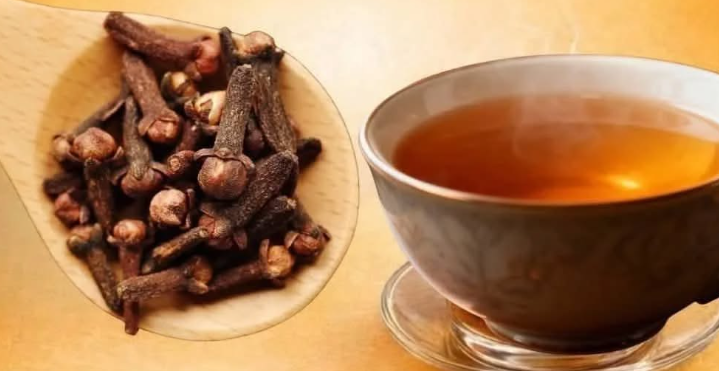
Cloves are the dried flower buds of the clove tree and are widely used in cooking, baking, and herbal drinks. Their bold aroma instantly adds warmth to recipes. In tea form, cloves release a deep spicy essence that creates a comforting beverage enjoyed in many cultures.
People love clove tea because it is:
- Naturally caffeine-free
- Easy to prepare
- Full of warming spices
- Budget-friendly
- Suitable for cold weather
- Refreshing after meals
- Rich in aroma and flavor
The growing popularity of herbal drinks has also increased searches for recipes like clove cinnamon tea, clove water recipe, winter herbal tea, and homemade wellness tea. Clove tea fits perfectly into these healthy lifestyle trends.
The Flavor Profile of Clove Tea
Clove tea has a strong, aromatic flavor with slightly sweet, peppery, and woody notes. The longer the cloves simmer, the stronger and deeper the taste becomes. Some people enjoy drinking it plain, while others prefer balancing the spice with honey or lemon.
When prepared correctly, the tea becomes smooth, fragrant, and comforting rather than overpowering. Adding ingredients like cinnamon sticks or fresh ginger creates an even richer taste that feels cozy and satisfying.
The aroma alone makes this tea special. As the cloves simmer in water, your kitchen fills with a warm spicy scent that feels inviting and relaxing.
Best Time to Drink Clove Tea
One of the reasons clove tea is so versatile is that it can be enjoyed at different times throughout the day. Many people drink it:
- Early in the morning for a warm start
- During winter evenings
- After meals
- Before bedtime
- During rainy weather
- While relaxing or reading
Since it contains no caffeine, it can be enjoyed at night without affecting sleep for most people.
Essential Ingredients for Authentic Clove Tea
The beauty of this herbal tea recipe lies in its simplicity. Traditional clove tea requires only two main ingredients:
- Whole cloves
- Water
However, authentic variations may include:
- Cinnamon sticks
- Fresh ginger
- Honey
- Lemon juice
- Cardamom
- Black pepper
- Mint leaves
These additions enhance the aroma and flavor while keeping the tea natural and homemade.
Choosing the Best Cloves for Tea
High-quality cloves make a major difference in taste. Fresh cloves should appear dark brown with a strong fragrance. When pressed gently, they should release oil and aroma.
For the best homemade clove tea:
- Use whole cloves instead of powder
- Store cloves in an airtight container
- Keep them away from moisture and sunlight
- Buy fresh spices for stronger flavor
Fresh whole cloves produce richer and smoother tea compared to old or stale cloves.
Health Benefits Associated with Clove Tea
Many people search for benefits of clove tea because cloves have long been valued in traditional wellness practices. Cloves naturally contain antioxidants and aromatic compounds that make them popular in herbal preparations.
Clove tea is commonly enjoyed as part of a balanced lifestyle and is often associated with:
- Comfort during cold weather
- A soothing warm drink after meals
- Relaxing evening routines
- Traditional wellness beverages
- Natural herbal hydration
Because herbal teas are trending worldwide, recipes like clove tea continue gaining popularity among people looking for natural beverage alternatives.
How to Make Clove Tea Taste Better
If plain clove tea feels too strong, there are several easy ways to balance the flavor while keeping it natural and delicious.
Add Honey for Natural Sweetness
Honey softens the spicy taste while adding smooth sweetness. It blends perfectly with cloves and creates a comforting tea ideal for evenings.
Include Fresh Ginger
Ginger adds freshness and warmth. Together, ginger and cloves create a bold herbal combination often used in homemade wellness drinks.
Use Lemon Juice
A splash of lemon brightens the flavor and adds refreshing citrus notes.
Mix with Cinnamon
Cinnamon complements cloves beautifully, creating a rich and cozy aroma.
Add Mint Leaves
Fresh mint gives the tea a lighter and more refreshing finish.
Traditional Variations of Clove Tea Around the World
Many cultures enjoy clove-infused drinks in different ways. Some recipes combine cloves with black tea, while others prepare it purely as an herbal infusion.
Popular variations include:
Indian Spiced Clove Tea
Made with cloves, ginger, cardamom, and cinnamon for a bold masala flavor.
Middle Eastern Clove Infusion
Often lightly sweetened and served warm after meals.
Herbal Detox Tea
Combined with lemon and honey for a refreshing wellness drink.
Winter Spice Tea
Prepared with cloves, cinnamon, nutmeg, and orange peel.
These regional styles show how versatile and loved clove tea has become worldwide.
Tips for Brewing Perfect Clove Tea
Making delicious clove tea is easy, but a few techniques can improve the flavor significantly.
Do Not Overuse Cloves
Too many cloves can create bitterness. A moderate amount gives the best balance.
Simmer Slowly
Allowing the cloves to simmer gently helps release their aroma gradually.
Strain Properly
Use a fine strainer for a smooth drinking experience.
Serve Fresh
Freshly prepared clove tea always tastes better than reheated tea.
Use Filtered Water
Good-quality water improves the overall taste and clarity of the tea.
Why Homemade Herbal Tea Is Better Than Store-Bought Tea
Many packaged herbal teas contain artificial flavoring or low-quality ingredients. Homemade clove tea gives you complete control over freshness and strength.
Benefits of homemade tea include:
- No preservatives
- Fresh ingredients
- Adjustable flavor
- Lower cost
- More authentic aroma
- Natural preparation
Preparing tea at home also creates a relaxing kitchen ritual many people enjoy daily.
Serving Suggestions for Clove Tea
Clove tea pairs wonderfully with many snacks and light foods.
Serve it with:
- Biscuits
- Toast
- Honey cookies
- Oatmeal
- Light cakes
- Dry fruits
- Roasted nuts
Its warm flavor complements baked goods especially well during winter months.
Can Clove Tea Be Served Cold?
Yes. Although traditionally enjoyed hot, clove tea can also be chilled and served over ice.
To make iced clove tea:
- Brew the tea slightly stronger
- Cool completely
- Add ice cubes
- Include lemon slices or mint
This creates a refreshing herbal summer drink with a spicy twist.
Storage Tips for Clove Tea
Fresh tea tastes best, but leftovers can be stored safely.
- Refrigerate in a sealed glass container
- Consume within 24 hours
- Reheat gently before serving
- Avoid repeated boiling
Prepared tea may lose some aroma over time, so fresh batches are recommended.
Common Mistakes to Avoid
Even simple recipes can go wrong if small details are ignored.
Using Too Many Cloves
Excess cloves can make the tea harsh and overly spicy.
Boiling Too Aggressively
Gentle simmering creates smoother flavor.
Skipping the Straining Step
Whole cloves should always be strained before serving.
Using Old Spices
Fresh cloves give significantly better aroma and taste.
Making Clove Tea Part of Your Daily Routine
Many people now include herbal teas in their daily wellness habits. Clove tea is ideal because it is easy, affordable, and naturally flavorful.
You can:
- Enjoy it during cold mornings
- Serve it to guests
- Pair it with breakfast
- Drink it while relaxing
- Include it in winter meal plans
Its comforting warmth and spicy fragrance make it one of the easiest homemade herbal drinks to prepare regularly.
Frequently Asked Questions About Clove Tea
Can I Use Ground Cloves?
Whole cloves are recommended because they create cleaner and smoother tea. Ground cloves may leave residue and make the drink cloudy.
Is Clove Tea Naturally Caffeine-Free?
Yes, pure clove tea contains no caffeine unless black tea is added.
Can I Add Milk?
Yes. Some people combine clove tea with milk and black tea for a richer spiced beverage.
How Strong Should Clove Tea Be?
The ideal strength depends on personal preference. Start mild and adjust gradually.
Final Thoughts on Homemade Clove Tea
Clove tea is more than just a simple herbal drink. Its warm aroma, rich flavor, and comforting qualities make it a timeless recipe enjoyed across generations. Whether prepared traditionally with only cloves and water or enhanced with cinnamon, ginger, lemon, or honey, this tea offers a delicious way to enjoy natural ingredients at home.
As herbal beverages continue growing in popularity, recipes like homemade clove tea remain favorites for their simplicity, affordability, and cozy flavor. The best part is that anyone can prepare this tea in just minutes using basic kitchen ingredients.
If you are looking for a soothing hot drink, a comforting winter tea, or a naturally aromatic herbal recipe, clove tea is a wonderful choice that combines tradition, warmth, and flavor in every sip.
Part 2: Simple Clove Tea Recipe
Homemade Clove Tea Recipe
Ingredients
- 2 cups water
- 4–5 whole cloves
- 1 small cinnamon stick (optional)
- 1 teaspoon fresh ginger slices (optional)
- 1 teaspoon honey (optional)
- 1 teaspoon lemon juice (optional)
Instructions
- Pour water into a small saucepan.
- Add cloves, cinnamon stick, and ginger.
- Bring to a gentle boil.
- Reduce heat and simmer for 5–7 minutes.
- Remove from heat and strain into a cup.
- Stir in honey or lemon if desired.
- Serve hot and enjoy.
Preparation Time
5 minutes
Cooking Time
7 minutes
Total Time
12 minutes
Serving
2 cups