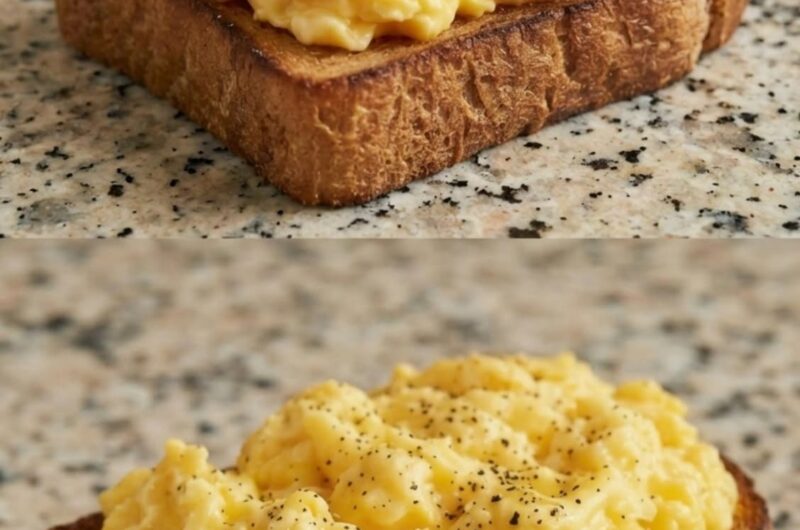
Few dishes are as simple, satisfying, and universally loved as a plate of perfectly cooked scrambled eggs. Whether served as part of a hearty breakfast, a nutritious brunch, or even a quick evening meal, scrambled eggs remain one of the most popular egg recipes worldwide.
While the ingredient list is incredibly short, achieving truly soft, fluffy, and creamy scrambled eggs requires more than simply cracking eggs into a hot pan. Many people unknowingly cook their eggs too quickly, resulting in a dry, rubbery texture that lacks the rich creaminess found in restaurant-quality breakfasts.
Fortunately, making silky scrambled eggs at home is easier than most people think. With fresh ingredients, gentle heat, and a few professional cooking techniques, you can consistently create tender, buttery eggs with rich flavor and delicate texture.
This easy breakfast recipe is ideal for busy mornings, healthy meal plans, high-protein diets, family breakfasts, and weekend brunch gatherings. Once you master these simple techniques, scrambled eggs may become one of your favorite go-to meals.
Why Scrambled Eggs Remain One of the Best Breakfast Recipes
Scrambled eggs have remained a staple breakfast food for generations because they offer an unbeatable combination of convenience, nutrition, affordability, and versatility.
Unlike many processed breakfast foods, eggs provide naturally occurring protein, healthy fats, vitamins, and essential nutrients. They are quick to prepare and can be customized endlessly to suit different tastes and dietary preferences.
Benefits of Homemade Scrambled Eggs
- Ready in minutes
- Rich source of protein
- Budget-friendly breakfast option
- Naturally low in carbohydrates
- Easy to customize
- Suitable for keto-friendly meal plans
- Perfect for breakfast, brunch, or dinner
- Requires only a few ingredients
- Family-friendly and kid-approved
- Pairs well with countless side dishes
Because of these advantages, scrambled eggs continue to rank among the most searched breakfast recipes online.
Starting with Quality Eggs Makes a Difference
The foundation of any great scrambled egg recipe is, naturally, the eggs themselves.
Fresh eggs generally produce softer curds, richer flavor, and a more attractive appearance. The yolks often have a deeper golden color, which contributes to a beautiful finished dish.
Choosing the Best Eggs
For optimal results, look for:
- Fresh large eggs
- Free-range eggs
- Organic eggs
- Farm-fresh eggs
- Eggs with vibrant yolks
While any eggs can be used successfully, fresher eggs often provide the best texture and flavor.
Room Temperature Eggs vs Refrigerated Eggs
Many chefs prefer allowing eggs to sit at room temperature for a short period before cooking.
Why?
Because room-temperature eggs tend to cook more evenly than eggs taken directly from the refrigerator. This helps create a smoother texture and more consistent curd formation.
Although not mandatory, this small step can improve overall results.
Understanding Each Ingredient’s Role
One reason scrambled eggs are so beloved is their simplicity. Every ingredient serves a specific purpose.
Eggs
Eggs provide structure, flavor, protein, and moisture. They are the heart of the recipe and determine much of the final texture.
Butter or Olive Oil
Fat is essential for preventing sticking and enhancing flavor.
Butter contributes:
- Richness
- Creaminess
- Velvety texture
- Classic breakfast flavor
Olive oil offers a lighter alternative while still providing excellent cooking results.
Milk or Heavy Cream
Although optional, a small amount of dairy can create a softer texture.
Benefits include:
- Increased moisture
- More delicate curds
- Improved creaminess
- Enhanced richness
Heavy cream creates a luxurious finish, while milk keeps the eggs lighter.
Salt and Black Pepper
Seasoning may seem simple, but it dramatically improves flavor.
Even a small pinch of salt helps highlight the natural richness of eggs.
The Science Behind Soft and Creamy Eggs
Many home cooks mistakenly believe that high heat cooks eggs better.
In reality, high temperatures are responsible for most scrambled egg disasters.
Egg proteins are sensitive. When exposed to excessive heat, they tighten rapidly and squeeze out moisture.
The result?
Dry, rubbery, and tough eggs.
The key to achieving creamy scrambled eggs is low-temperature cooking.
When cooked gently, egg proteins coagulate slowly, forming tender curds that retain moisture and softness.
Benefits of Low Heat Cooking
- Prevents dryness
- Creates fluffy texture
- Produces larger curds
- Enhances creaminess
- Improves flavor
- Allows better control
This is the same technique used by many professional chefs and breakfast restaurants.
Why Proper Whisking Matters
Whisking is often overlooked, yet it plays a major role in creating fluffy scrambled eggs.
Thorough whisking combines the yolks and whites into a uniform mixture while incorporating air.
This added air contributes to a lighter and fluffier final texture.
How to Whisk Eggs Correctly
Whisk until:
- Yolks and whites are fully blended
- No streaks remain
- Mixture appears smooth
- Surface becomes slightly frothy
The extra minute spent whisking can significantly improve the finished dish.
Choosing the Right Pan
The pan you use can directly impact cooking performance.
A quality non-stick skillet is often the best choice because it prevents sticking and promotes even cooking.
Recommended Cookware
- Non-stick skillet
- Ceramic frying pan
- Well-seasoned cast iron skillet
These options provide excellent heat distribution and easier cleanup.
The Best Tool for Stirring
Many cooks underestimate the importance of the utensil used during cooking.
A silicone or rubber spatula works best because it gently moves the eggs without tearing the delicate curds apart.
This helps preserve softness while creating the larger curds associated with restaurant-style scrambled eggs.
The Secret to Restaurant-Quality Scrambled Eggs
One characteristic separates average scrambled eggs from exceptional scrambled eggs:
Texture.
Professional chefs prioritize tenderness over speed.
Instead of stirring constantly or cooking aggressively, they use a gentle folding method.
Gentle Folding Technique
- Pour eggs into the warm skillet.
- Allow the edges to begin setting.
- Slowly push the cooked portions toward the center.
- Let uncooked egg flow into open spaces.
- Repeat carefully.
This method creates large, soft curds that remain moist and creamy.
Timing Is Everything
One of the biggest mistakes home cooks make is waiting too long before removing eggs from the heat.
Eggs continue cooking after leaving the burner due to residual heat.
This process is known as carryover cooking.
The Perfect Time to Stop Cooking
Remove eggs when they are:
- Mostly set
- Slightly glossy
- Still soft
They will finish cooking naturally from their own retained heat.
This simple adjustment often transforms average eggs into outstanding eggs.
Should Salt Be Added Before or After Cooking?
This topic has sparked debate among cooks for years.
Some chefs season eggs before cooking, while others prefer adding salt at the end.
Many breakfast experts find that seasoning near the end helps maintain a slightly softer texture.
Regardless of timing, proper seasoning remains essential for maximum flavor.
Delicious Ways to Customize Scrambled Eggs
One of the reasons scrambled eggs remain so popular is their adaptability.
A few ingredients can completely transform the dish.
Cheese Options
Popular choices include:
- Cheddar cheese
- Mozzarella cheese
- Parmesan cheese
- Feta cheese
- Goat cheese
- Cream cheese
Cheese adds richness, flavor, and extra creaminess.
Fresh Herbs
Fresh herbs provide brightness and aroma.
Excellent options include:
- Chives
- Parsley
- Dill
- Basil
- Cilantro
Vegetable Additions
Vegetables increase both nutrition and flavor.
Great choices include:
- Mushrooms
- Spinach
- Tomatoes
- Bell peppers
- Onions
Extra Protein Ideas
For a heartier meal, consider adding:
- Turkey bacon bits
- Turkey sausage
- Grilled chicken
- Smoked salmon
These additions create a more filling and protein-rich breakfast.
Healthy Variations for Different Diets
Scrambled eggs fit naturally into many eating styles.
High-Protein Version
Add extra egg whites to increase protein while reducing fat.
Low-Carb Breakfast
Eggs are naturally low in carbohydrates and ideal for low-carb lifestyles.
Keto-Friendly Option
Add:
- Heavy cream
- Cheese
- Avocado
These ingredients boost healthy fat content.
Dairy-Free Alternative
Simply:
- Use olive oil instead of butter
- Skip milk or cream
The eggs will still be delicious and fluffy.
Common Mistakes to Avoid
Cooking Over High Heat
This is one of the fastest ways to ruin scrambled eggs.
High heat often causes:
- Dryness
- Tough texture
- Uneven cooking
Overcooking
The most common mistake of all.
Eggs should never be cooked until completely firm in the skillet.
Excessive Stirring
Constant stirring breaks curds into tiny pieces and removes their creamy texture.
Using Old Eggs
Fresh eggs provide superior flavor and texture.
Forgetting Seasoning
Even simple recipes require proper seasoning to shine.
Best Side Dishes for Scrambled Eggs
Scrambled eggs pair beautifully with many breakfast favorites.
Popular serving ideas include:
- Buttered toast
- Whole-grain bread
- Croissants
- Avocado toast
- Fresh fruit
- Hash browns
- Roasted potatoes
- Pancakes
- Breakfast sandwiches
These combinations create a complete and satisfying breakfast experience.
Storing and Reheating Leftovers
Although scrambled eggs are best served fresh, leftovers can be stored safely.
Refrigeration
Store cooled eggs in an airtight container for up to 2 days.
Reheating
Warm gently using:
- Low stovetop heat
- Short microwave intervals
Avoid overheating, which can quickly make eggs rubbery.
Why This Easy Egg Recipe Belongs in Every Kitchen
Scrambled eggs may be one of the simplest recipes in the world, but mastering them is a valuable cooking skill.
With just a few ingredients and proper technique, you can create a breakfast that is rich, fluffy, creamy, and deeply satisfying.
Whether enjoyed plain, topped with herbs, mixed with cheese, or paired with your favorite breakfast sides, these soft scrambled eggs deliver consistent results every time.
Once you learn the secrets of gentle cooking, proper whisking, and perfect timing, you’ll never settle for dry scrambled eggs again.
Part 2: Quick Recipe Card
Soft & Creamy Homemade Scrambled Eggs
Prep Time
5 minutes
Cook Time
5 minutes
Total Time
10 minutes
Servings
2
Ingredients
- 4 fresh large eggs
- 1 tablespoon butter or olive oil
- 1 tablespoon milk or heavy cream (optional)
- Salt, to taste
- Black pepper, to taste
Optional Add-Ins
- Chopped chives
- Shredded cheese
- Cream cheese
- Fresh parsley
- Cooked turkey bacon bits
Instructions
Step 1: Prepare the Egg Mixture
Crack the eggs into a mixing bowl.
Add milk or heavy cream if using.
Whisk thoroughly until smooth, fully blended, and slightly frothy.
Step 2: Warm the Pan
Place a non-stick skillet over low to medium-low heat.
Add butter or olive oil and allow it to melt gently.
Step 3: Add the Eggs
Pour the whisked eggs into the skillet.
Let them sit for a few seconds as the edges begin to set.
Step 4: Form Soft Curds
Using a silicone spatula, slowly push the eggs from the outer edges toward the center.
Continue folding gently until soft curds develop.
Step 5: Finish Cooking
Once the eggs are mostly set but still look slightly glossy, remove the pan from the heat.
Residual warmth will complete the cooking process.
Step 6: Season and Serve
Add salt and black pepper to taste.
Top with your preferred herbs, cheese, or other optional additions.
Serve immediately while warm, fluffy, and creamy.
Pro Tips for Perfect Scrambled Eggs
- Use the freshest eggs available.
- Cook over low heat for the creamiest texture.
- Avoid aggressive stirring.
- Remove eggs before they appear fully cooked.
- Serve immediately for the best flavor and consistency.