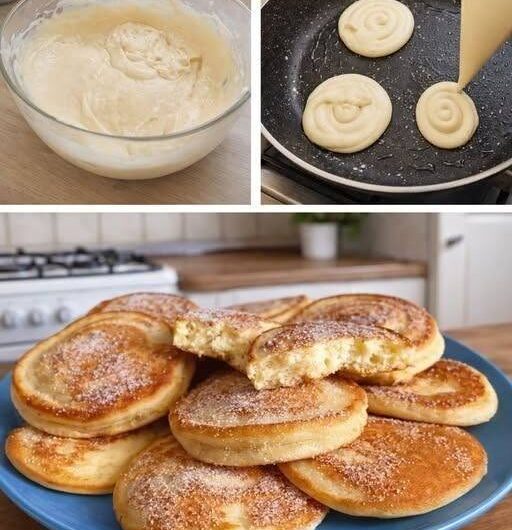
There are few breakfast foods as comforting as a tall stack of warm pancakes served straight from the skillet. The gentle aroma of vanilla, the golden edges, and the soft center make pancakes a favorite for relaxed weekend breakfasts as well as busy weekday mornings. If you follow a gluten-free lifestyle, however, finding pancakes that are genuinely fluffy, tender, and satisfying can sometimes be a challenge.
That is exactly why I love making these homemade gluten-free pancakes. They are simple, comforting, and easy enough for beginners, yet the finished pancakes have the kind of soft, airy texture you normally expect from traditional pancakes. They brown beautifully on the outside while staying tender in the middle, making them an excellent choice when you want an easy gluten-free breakfast recipe without complicated ingredients or techniques.
Whether you are cooking for your family, preparing a weekend brunch, or simply craving a warm stack of pancakes, this recipe gives you a dependable starting point. You can serve the pancakes with classic maple syrup or turn them into a more elaborate breakfast with berries, yogurt, nut butter, bananas, honey, or other favorite toppings.
Why I Keep Coming Back to This Gluten-Free Pancake Recipe
The biggest appeal of these pancakes is their balance of simplicity and texture. Gluten-free pancakes can sometimes become dry, fragile, gritty, or overly dense because conventional wheat flour contributes structure to regular pancake batter. Removing wheat means the other ingredients and cooking method have to work together carefully.
A good gluten-free flour blend helps provide structure, while eggs contribute binding and richness. Milk supplies moisture, and butter or oil helps keep the pancakes tender. Baking powder and baking soda encourage the batter to rise, creating the light texture that makes a pancake enjoyable.
Another small but important step is allowing the batter to rest before cooking. Gluten-free flour often needs a little extra time to absorb the liquid. A short resting period can produce a smoother batter and a more pleasant texture after cooking.
The goal is not simply to make pancakes without wheat. The goal is to make soft, fluffy gluten-free pancakes that everyone at the breakfast table will want to eat.
What Makes Gluten-Free Pancakes Different?
Traditional pancake batter benefits from gluten, the protein network that develops when wheat flour is hydrated and mixed. Gluten helps provide elasticity and structure. Because gluten-free flour does not contain that network, gluten-free baking requires a slightly different approach.
A quality gluten-free all-purpose flour blend is particularly useful because commercial blends are often formulated from several gluten-free flours and starches. Depending on the brand, a blend may contain ingredients such as rice flour, potato starch, tapioca starch, or a binder such as xanthan gum.
The exact composition varies between brands, so always check the package when choosing a flour blend. If you are preparing food for someone with celiac disease, also make sure the flour and all other ingredients are certified or clearly labeled gluten-free and avoid cross-contact with wheat-containing ingredients.
This recipe is designed to keep the process straightforward. You do not need specialist equipment or an elaborate baking technique. A mixing bowl, whisk, skillet or griddle, measuring tools, and spatula are enough.
The Ingredients That Give These Pancakes Their Texture
The ingredient list is deliberately uncomplicated, using familiar pantry staples.
Gluten-free all-purpose flour blend forms the base of the pancakes. For the most traditional pancake texture, an all-purpose gluten-free blend is the easiest choice. Different blends can absorb liquid differently, so avoid automatically adding extra flour if the batter looks somewhat loose.
Sugar provides optional sweetness. Because pancakes are commonly served with maple syrup, honey, fruit, or other sweet toppings, the sugar can remain modest.
Baking powder and baking soda work as leavening ingredients. They help create airiness and give the pancakes some lift as they cook.
Salt balances the sweetness and enhances the overall flavor.
Milk supplies moisture and contributes to the tender crumb. Dairy milk works well, but plant-based alternatives can also be used when appropriate.
Eggs help bind the batter and contribute richness. They also help the pancakes hold together when they are flipped.
Melted butter or oil adds richness and helps prevent the finished pancakes from becoming dry.
Vanilla extract gives the batter a warm, familiar bakery-style aroma and complements both sweet and fruity toppings.
Optional additions such as blueberries, chocolate chips, banana slices, cinnamon, or nutmeg allow you to change the flavor without changing the basic recipe.
Choosing the Right Gluten-Free Flour
If you want reliable results, start with a gluten-free all-purpose flour blend rather than assuming every gluten-free flour behaves the same way.
Rice flour, almond flour, oat flour, buckwheat flour, tapioca starch, and other gluten-free flours each have different properties. Almond flour, for example, has a higher fat content and produces a different texture from a starch-based flour blend. Buckwheat has a much stronger earthy flavor, while oat flour can provide a softer, more rustic result.
For this particular pancake recipe, an all-purpose gluten-free blend is the most convenient option.
If your blend already contains xanthan gum, you generally do not need to add more simply because another gluten-free recipe calls for it. Too much binder can produce an unpleasantly gummy texture.
For anyone cooking for a person with celiac disease, choosing certified gluten-free ingredients is especially important. Even naturally gluten-free ingredients can be exposed to gluten during manufacturing or preparation.
Why Resting the Batter Matters
One of the easiest ways to improve homemade gluten-free pancakes is to give the batter a short rest.
After the wet and dry ingredients are combined, leave the batter alone for about five minutes. During this time, the gluten-free flour absorbs some of the liquid, allowing the mixture to become more cohesive.
This can be particularly useful with gluten-free flours because their hydration behavior differs from regular wheat flour.
The resting period does not need to be lengthy. Five minutes is enough for this recipe. While the batter rests, you can preheat your skillet and prepare your toppings.
How I Avoid Dense or Tough Pancakes
The key to fluffy pancakes is restraint. Once the wet ingredients are added to the dry ingredients, stir only until everything is incorporated.
You do not need to chase every tiny lump.
Overmixing can create a batter that cooks up heavier than intended. Gluten-free batter does not develop wheat gluten, but excessive stirring can still affect the final consistency by breaking down the structure of the mixture and making it less airy.
Use a whisk to combine the dry ingredients first, then gently stir after adding the wet mixture. The moment you no longer see large areas of dry flour, stop mixing.
This simple habit can make a noticeable difference in the texture of your easy gluten-free pancakes.
Getting the Skillet Temperature Right
The pan temperature is another important part of making golden pancakes.
A skillet that is too hot can brown the outside quickly while leaving the center undercooked. A pan that is too cool can produce pale pancakes and encourage the batter to spread more than expected.
Medium heat is a good starting point.
Preheat the skillet before adding the batter, then lightly grease the cooking surface. You only need a thin coating of butter or cooking oil. Excess fat can make the pancakes greasy and may cause uneven browning.
If you are making several batches, keep an eye on the skillet temperature. Pans often become hotter as you continue cooking, so you may need to adjust the heat slightly.
How to Tell When a Pancake Is Ready to Flip
Knowing when to flip is easier than it may seem.
Pour approximately ¼ cup of batter onto the heated skillet. As the pancake cooks, you should begin to see bubbles appearing across the surface. The edges will also start to look more set rather than completely wet.
That is your signal to flip.
Slide a thin spatula underneath the pancake and turn it confidently. Avoid repeatedly moving the pancake around the pan.
The first side generally takes around two to three minutes, while the second side needs less time. Look for a golden-brown surface and a center that feels cooked rather than wet.
Why You Should Not Flatten Your Pancakes
It can be tempting to press down on pancakes with a spatula while they cook, especially if you are trying to speed things up.
Resist that urge.
The air created by the leavening ingredients contributes to the fluffy texture. Pressing the pancakes can force that air out and leave you with flatter, denser results.
Instead, allow the pancakes to cook naturally over medium heat.
Easy Ways to Make Breakfast More Nutritious
A pancake breakfast does not have to be overly sweet.
The simplest way to create a more balanced meal is to choose nutrient-rich toppings. Fresh strawberries, blueberries, bananas, Greek yogurt, nuts, seeds, and nut butter can add different textures and flavors.
For example, a stack topped with fresh berries and Greek yogurt provides a combination of creamy, fruity, and slightly tangy flavors. Peanut butter or almond butter can make the meal more substantial, while chia seeds or granola add additional texture.
If you prefer classic pancakes, a small amount of pure maple syrup is all you need.
The nutritional profile of gluten-free pancakes depends heavily on the flour blend, toppings, and portion size, so it is better to think of them as one component of a balanced breakfast rather than automatically labeling every gluten-free pancake as healthy.
My Favorite Pancake Topping Combinations
Classic maple syrup is always a winner, but there are plenty of ways to personalize your stack.
Fresh strawberries and blueberries create a bright, fruity breakfast. Banana slices pair particularly well with peanut or almond butter. Greek yogurt adds creaminess and a slight tang, while honey offers a different sweetness from maple syrup.
For an indulgent weekend breakfast, try whipped cream with berries and a light dusting of powdered sugar.
If you prefer texture, add granola, chopped nuts, or chia seeds.
Cinnamon can also be sprinkled over the finished pancakes for a warm, fragrant finish.
The beauty of homemade pancakes is that everyone can build their own plate.
Simple Flavor Ideas for Future Batches
Once you are comfortable with the basic batter, it is easy to create different versions.
For blueberry gluten-free pancakes, gently fold fresh or frozen blueberries into the prepared batter. Avoid aggressive stirring because blueberries can break apart and tint the batter.
For banana pancakes, add sliced banana as a topping or incorporate mashed ripe banana into a suitable variation of the batter. Ripe bananas provide natural sweetness and a soft texture.
For chocolate chip pancakes, sprinkle mini chocolate chips into the batter immediately after portioning it onto the skillet. This helps distribute the chocolate without excessive mixing.
For cinnamon spice pancakes, cinnamon or a small amount of nutmeg adds a warm flavor that works particularly well during cooler months.
These variations make the recipe useful for both everyday breakfasts and special brunch occasions.
Making These Pancakes Dairy-Free
A gluten-free diet and a dairy-free diet are not the same thing, but people sometimes need to accommodate both.
Fortunately, the recipe can be adapted without changing its basic preparation method.
Use a suitable plant-based milk such as almond milk, oat milk, soy milk, or coconut milk in place of dairy milk. Butter can be replaced with an appropriate cooking oil.
Always check the labels of packaged ingredients if you need to avoid both gluten and dairy, because some products can contain unexpected additives or traces of allergens.
An Egg-Free Approach
If eggs are not part of your diet, a flaxseed mixture can sometimes be used as a pancake binder.
A commonly used alternative is a mixture of one tablespoon of ground flaxseed with three tablespoons of water. Allow it to sit until it thickens before incorporating it into a suitable pancake batter.
Because egg substitutions can affect moisture and structure, the final texture may differ somewhat from the standard version. For the recipe below, the listed egg remains part of the original ingredient list.
Preparing Pancakes for Busy Mornings
One of my favorite things about pancakes is that they do not have to be a weekend-only food.
You can cook a larger batch, allow the pancakes to cool completely, and store them for later.
For short-term storage, place cooled pancakes in an airtight container and refrigerate them for up to three days.
For longer storage, separate the pancakes with parchment paper and place them in a freezer-safe bag or container. Frozen pancakes can be kept for up to two months for best quality.
When breakfast time arrives, reheat them in a toaster, microwave, oven, or air fryer. The toaster is especially convenient when you like slightly crisp edges.
A Few Mistakes That Can Affect Your Results
Even a straightforward pancake recipe can go wrong if a few basic details are overlooked.
Using too much flour is one common problem. Gluten-free flour blends can vary in weight and absorbency, so measuring carefully is important.
Cooking over high heat is another issue. Pancakes may look beautifully brown while remaining undercooked inside.
Skipping the five-minute resting period can also affect the texture because the flour has less time to hydrate.
Finally, avoid pressing the pancakes with a spatula. Let them cook undisturbed until they are ready to turn.
Why This Recipe Works for Families
These pancakes are mild enough for children while still being enjoyable for adults. They can be served simply with syrup or transformed into a colorful breakfast by setting out bowls of berries, bananas, yogurt, nut butter, and other toppings.
For a family brunch, serve the pancakes alongside scrambled eggs, fresh fruit, yogurt parfaits, smoothies, and coffee.
For holidays and special mornings, create a topping station and let everyone customize their own stack.
This makes breakfast more interactive without requiring a complicated menu.
Frequently Asked Questions About Homemade Gluten-Free Pancakes
Can I prepare the pancake batter ahead of time?
Yes. The batter can be refrigerated for up to 24 hours. Before cooking, stir it gently rather than vigorously mixing it again.
Why did my gluten-free pancakes turn gummy?
Gummy pancakes can result from excess liquid, an unsuitable flour blend, or insufficient cooking. Make sure the pancakes are cooked through before removing them from the skillet.
Can I make these pancakes entirely with almond flour?
You can make pancakes with almond flour, but it does not behave like a standard all-purpose gluten-free flour blend. The texture will be different, so the recipe below is best made with the specified gluten-free all-purpose flour blend.
How can I make my pancakes sweeter?
The easiest options are additional sugar in the batter or sweeter toppings such as maple syrup, honey, bananas, or powdered sugar.
Are gluten-free pancakes healthy?
Gluten-free does not automatically mean healthy or unhealthy. These pancakes can fit into a balanced breakfast when combined with appropriate portions and nutritious toppings such as fruit, yogurt, nuts, or seeds.
Can I freeze homemade gluten-free pancakes?
Yes. Cool them completely, separate them with parchment paper, and store them in a freezer-safe container or bag for up to two months.
Final Breakfast Notes
Making delicious gluten-free pancakes at home does not have to be complicated. With the right flour blend, a short batter-resting period, gentle mixing, and medium cooking heat, you can create pancakes that are soft, fluffy, golden, and satisfying.
What I particularly like about this recipe is its flexibility. The basic pancakes are simple enough for an ordinary weekday breakfast, but the same recipe can become a beautiful weekend brunch when paired with fresh berries, yogurt, maple syrup, nut butter, or other toppings.
They are also convenient for meal prep because cooked pancakes can be refrigerated or frozen and reheated later.
Whether you are looking for easy gluten-free pancakes, a fluffy gluten-free pancake recipe, a quick gluten-free breakfast, or a family-friendly brunch idea, this recipe is a useful addition to your breakfast collection.
The best part is that you do not have to give up the familiar pleasure of a warm stack of pancakes simply because you are avoiding gluten. With a few thoughtful techniques and everyday ingredients, homemade pancakes can still be soft, flavorful, golden, and delicious.
Source: Adapted and rewritten from the recipe text supplied in the prompt, attributed to Izabella, dated August 21, 2026. No original URL was provided, so no website link has been invented.
Part 2 — Quick Homemade Gluten-Free Pancakes
Fluffy Gluten-Free Pancakes
Prep Time: 10 minutes
Cook Time: 10–12 minutes
Total Time: 20–22 minutes
Servings: 4
What You’ll Need
Dry Ingredients
- 1 cup gluten-free all-purpose flour blend
- 1 tablespoon sugar (optional)
- 1 teaspoon baking powder
- ¼ teaspoon baking soda
- ¼ teaspoon salt
Wet Ingredients
- 1 cup milk (dairy or plant-based)
- 1 large egg
- 1 tablespoon melted butter or oil
- 1 teaspoon vanilla extract
Optional Add-Ins
- Blueberries
- Chocolate chips
- Banana slices
- Cinnamon or nutmeg
How to Make Them
1. Combine the Dry Ingredients
Add the gluten-free flour, sugar, baking powder, baking soda, and salt to a mixing bowl. Whisk until evenly combined.
2. Whisk the Wet Ingredients
In a separate bowl, whisk together the milk, egg, melted butter or oil, and vanilla extract until smooth.
3. Bring the Batter Together
Pour the wet mixture into the dry ingredients. Stir gently just until combined. Avoid overmixing.
Let the batter rest for 5 minutes.
4. Warm the Skillet
Place a non-stick skillet or griddle over medium heat. Lightly grease the surface with butter or cooking spray.
5. Cook the Pancakes
Pour about ¼ cup of batter onto the hot skillet for each pancake.
Cook for about 2–3 minutes, or until bubbles appear on the surface and the edges begin to set. Carefully flip and cook for another 1–2 minutes, until golden brown and cooked through.
Continue with the remaining batter.
Serving Suggestions
Serve the warm pancakes with:
- Pure maple syrup
- Fresh berries
- Banana slices
- Greek yogurt
- Honey
- Peanut butter
- Powdered sugar
Storage
- Refrigerator: Keep cooled pancakes in an airtight container for up to 3 days.
- Freezer: Freeze pancakes with parchment paper between layers for up to 2 months.
- Reheating: Warm them in the microwave, toaster, oven, or air fryer.