There is something especially satisfying about turning leftover sourdough starter into a beautiful homemade loaf. Instead of throwing away the portion removed during feeding, you can use it to make a tender sourdough discard lemon blueberry bread packed with fresh citrus flavor and juicy blueberries.
This easy quick bread brings together three flavors that work exceptionally well: buttery richness, bright lemon, and sweet-tart blueberries. The sourdough discard adds a mild tang in the background, giving the loaf more depth without making it taste like traditional sourdough bread.
Unlike a classic sourdough loaf, this recipe does not require kneading, stretch-and-fold techniques, proofing, or an overnight fermentation schedule. Baking powder and baking soda provide the lift, so the batter can go from mixing bowl to oven in a matter of minutes.
The result is a soft, moist lemon blueberry loaf with colorful berries throughout and a sweet lemon glaze over the top. It is simple enough for a beginner but attractive enough to serve at brunch, afternoon tea, family gatherings, or a weekend breakfast.
Why Sourdough Discard Works So Well in Quick Bread
If you regularly maintain a sourdough starter, you probably know that feeding it involves removing some starter before adding fresh flour and water. That removed portion is commonly called sourdough discard.
Discard does not have to become kitchen waste. It can be incorporated into pancakes, muffins, waffles, cakes, cobblers, and quick breads. Established baking resources also feature sourdough discard recipes specifically designed to turn excess starter into sweet baked goods. King Arthur Baking+1
In this loaf, the discard contributes a subtle fermented flavor. It doesn’t provide the primary rise—that job belongs to the baking powder and baking soda—but it gives the finished bread a pleasantly tangy character.
The combination is particularly delicious with lemon. Lemon already brings natural acidity and a sharp citrus aroma, while sourdough contributes another layer of gentle tang. Rather than competing, the two flavors balance the sweetness of the sugar and blueberries.
What Makes This Lemon Blueberry Bread So Appealing?
A good quick bread should be uncomplicated, flavorful, and satisfying, and this one checks all three boxes.
The crumb is rich from softened butter and eggs, while milk keeps the batter soft. Fresh lemon juice and zest bring concentrated citrus flavor. Blueberries add juicy pockets of fruit throughout the loaf, and the powdered-sugar glaze gives the finished bread an extra hit of lemon sweetness.
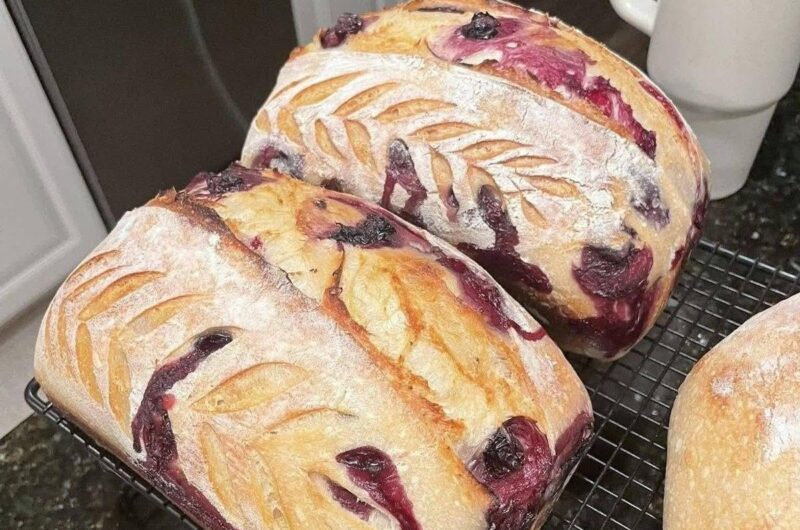
The loaf also has a beautiful appearance. As the blueberries bake, some remain intact while others soften and release their juices into the surrounding crumb. The finished bread develops golden edges, a tender center, and colorful blueberry pockets beneath a delicate lemon glaze.
It is the sort of easy blueberry bread recipe that looks much more elaborate than it actually is.
Fresh Lemon Makes a Noticeable Difference
For the best lemon flavor, use fresh lemons rather than relying entirely on bottled juice.
The juice supplies acidity and brightness, but the zest is particularly important because the fragrant oils in the lemon peel provide an intense citrus aroma. A small amount of freshly grated zest can make the entire loaf smell lemony before it even reaches the oven.
One useful trick is to combine the lemon zest with the sugar before creaming the butter. Gently rubbing the zest into the sugar helps release the aromatic oils and distributes the lemon flavor more evenly throughout the batter. This technique is also used in professional baking recipes for lemon breads and cakes. King Arthur Baking+1
When zesting a lemon, concentrate on the yellow outer layer and avoid digging deeply into the white pith underneath. The pith can contribute an unwanted bitterness.
Choosing Blueberries for Your Loaf
You can make this lemon blueberry sourdough bread with either fresh or frozen blueberries.
Fresh berries are wonderful when they are in season because they provide a plump, juicy texture. Frozen blueberries are convenient year-round and work particularly well in baked goods.
If you use frozen berries, keep them frozen until you’re ready to fold them into the batter. Thawing them first can cause excess juice to spread through the batter, producing more pronounced purple streaks.
A little flour is also used to coat the berries before they are folded into the batter. The flour creates a light coating around the fruit and can help distribute the berries more evenly instead of allowing many of them to settle together at the bottom.
This is a simple step, but it is worth doing when you’re aiming for a loaf with blueberries throughout every slice.
Getting the Batter Texture Right
One of the most important parts of making any quick bread is knowing when to stop mixing.
After the dry ingredients meet the wet ingredients, stir only until the flour disappears. You do not need to beat the batter until it looks perfectly smooth.
Overmixing can develop too much gluten in the flour, which may leave the finished loaf heavier or tougher than intended. A gentle hand is better here.
Think of the final batter as thick and scoopable rather than thin like pancake batter. The blueberries should be suspended throughout it without immediately sinking.
If you’re using a flexible spatula, scrape around the bottom and sides of the bowl while folding. This helps incorporate any pockets of flour without requiring excessive stirring.
Preparing the Loaf Pan
For this recipe, use an 8-by-4-inch loaf pan.
Grease the pan thoroughly before adding the batter. You can use butter or nonstick cooking spray. For easier removal, parchment paper is especially helpful.
Create a parchment sling by allowing some parchment to extend above the two long sides of the pan. Once the bread has cooled for a short time, you can use those edges to lift the loaf out without trying to turn a delicate, fruit-filled bread upside down.
This is particularly useful when you’re planning to glaze the loaf and want the top to remain intact.
How to Build the Lemon Blueberry Batter
Start by preparing the dry ingredients.
Whisk together the all-purpose flour, baking powder, baking soda, and salt. Mixing them before combining them with the wet ingredients helps distribute the leavening agents throughout the flour.
Next, work with the softened butter and granulated sugar.
The butter should be soft enough to beat easily but should not be melted. Creaming softened butter with sugar introduces air into the mixture and creates a lighter base for the loaf.
Add the eggs individually. Mixing after each egg helps maintain a smooth batter.
Then add the sourdough discard, milk, lemon juice, and lemon zest. Stir until the mixture is well combined.
The discard should be unfed and at room temperature, as specified in the recipe.
Once the wet mixture is ready, incorporate the dry ingredients in portions. This makes it easier to combine everything without overworking the batter.
Finally, fold in the flour-coated blueberries.
Use only a few gentle turns of the spatula. You want the berries distributed throughout the batter while keeping the mixture as tender as possible.
Baking Your Sourdough Discard Loaf
Transfer the batter to the prepared loaf pan and spread it evenly.
Place the pan in the center of a preheated 350°F oven. Keeping the pan centered helps promote more even baking.
The expected baking time is approximately 55 to 65 minutes, although ovens and pans can vary.
Start checking toward the end of the baking window. The loaf should develop a light golden-brown exterior, and a wooden toothpick inserted into the center should come out clean or with a few moist crumbs.
If the top begins becoming too dark before the center is finished, loosely covering it with foil can help protect the crust while the inside continues baking. This is a common technique used with lemon and blueberry loaf cakes. King Arthur Baking
Avoid relying solely on the color of the crust. Because this loaf contains fruit and a moist batter, the center needs enough time to cook properly.
Why You Should Let the Bread Cool
As tempting as it may be to slice the loaf immediately, give it time to settle.
Allow the bread to cool in the pan for about 15 minutes. Then use the parchment sling to transfer it to a wire rack.
The interior continues to firm as it cools. Cutting too early can cause the crumb to appear gummy or cause slices to crumble more easily.
For the cleanest slices and best glaze presentation, allow the loaf to cool completely before decorating it.
Making the Simple Lemon Glaze
The glaze requires only three ingredients: powdered sugar, fresh lemon juice, and a small amount of heavy cream or milk.
Whisk them together until smooth.
The finished glaze should be thick enough to sit on the loaf but loose enough to drizzle. If it seems too thick, a tiny amount of additional liquid can loosen it; if it becomes too thin, a little more powdered sugar can thicken it.
For this particular recipe, follow the specified quantities first and adjust only if necessary based on the consistency of your ingredients.
Pour or drizzle the glaze across the completely cooled loaf.
The white lemon glaze creates an attractive contrast against the golden bread and dark blueberries.
The Best Way to Serve This Homemade Loaf
This sourdough discard blueberry bread is versatile enough for almost any time of day.
Serve thick slices alongside coffee for breakfast, add them to a weekend brunch spread, or pair them with tea for an afternoon snack.
For dessert, you can serve the bread at room temperature or warm an individual slice gently before serving.
The loaf is already sweet from the sugar, blueberries, and glaze, so it doesn’t need an elaborate topping. A simple drizzle keeps the focus on the lemon and berry flavors.
Tips for Better Lemon Blueberry Bread
A few small details can make a noticeable difference.
Use fresh lemons. Fresh zest gives the loaf a much more aromatic citrus character than bottled lemon juice alone.
Bring refrigerated ingredients to room temperature. Room-temperature eggs and sourdough discard combine more smoothly with softened butter.
Don’t thaw frozen blueberries. Add them while frozen to minimize excess berry juice spreading through the batter. This is also recommended in established blueberry baking recipes. King Arthur Baking+1
Coat the blueberries with flour. The light coating helps distribute the fruit throughout the thick batter.
Avoid overmixing. Once the flour has disappeared, stop stirring.
Check the center before removing the loaf. A golden exterior doesn’t necessarily mean the middle is finished.
Cool completely before glazing. If the bread is still hot, the glaze can become very thin and slide off instead of creating an attractive finish.
Can You Use Buttermilk Instead of Milk?
Yes. The recipe specifically allows whole milk or buttermilk.
Buttermilk can provide a slightly tangier flavor and works naturally with the acidic ingredients already present in the recipe. Whole milk produces a straightforward, rich quick-bread texture.
The choice depends largely on what you already have available.
If you use buttermilk, don’t change the stated quantity.
Can This Recipe Be Made With Frozen Blueberries?
Absolutely.
Frozen blueberries are a convenient option when fresh berries aren’t available. Keep them frozen rather than thawing them first.
Fold them into the batter gently at the very end. Working quickly reduces the amount of purple juice released into the batter.
Some color streaking is perfectly normal and can actually make the finished loaf look attractive.
How to Store Lemon Blueberry Bread
Once the loaf has cooled completely and the glaze has set, place it in an airtight container.
For longer storage, individual slices can also be wrapped and frozen. This makes the recipe convenient for busy mornings because you can remove individual portions as needed.
Established quick-bread recipes commonly recommend airtight storage, while some lemon breads can also be frozen for longer-term keeping. King Arthur Baking+1
If freezing, allow the loaf or slices to cool completely before wrapping. Protecting the bread well helps prevent freezer odors and excess moisture loss.
A Few Optional Serving Ideas
Although the recipe is complete as written, there are several ways to serve it without changing the actual ingredients.
Try a thick slice with your morning coffee, or serve smaller slices on a brunch platter.
For afternoon tea, cut the loaf into slightly thinner pieces and arrange them on a serving plate.
For a dessert-style presentation, place a slice on a small plate and add a few fresh blueberries alongside it.
The lemon glaze is enough to make the loaf feel special without requiring frosting or additional decoration.
Why This Recipe Is a Great Use for Sourdough Discard
One of the biggest advantages of this recipe is that it gives leftover starter a practical purpose.
Instead of allowing discard to accumulate, you can turn it into a completely different style of baked good. Sourdough discard has been used in everything from muffins and cobblers to cakes and quick breads, making it a useful ingredient beyond traditional sourdough loaves. King Arthur Baking+2
This recipe is especially approachable because you don’t have to plan around a long fermentation schedule.
You simply prepare the batter, fold in the blueberries, bake, cool, and glaze.
That makes it a convenient easy sourdough discard recipe for anyone who wants to experiment with sourdough baking without making a traditional yeast-risen loaf.
Flavor and Texture You Can Expect
The first flavor you’ll notice is bright lemon.
The blueberries follow with their sweet, fruity character, while the butter gives the loaf a rich background.
The sourdough discard doesn’t dominate. Instead, it provides a mild tang that helps balance the sweetness.
The texture falls somewhere between a traditional quick bread and a soft loaf cake: tender, moist, rich, and easy to slice.
The glaze adds another layer of lemon flavor and a delicate sweetness to the crust.
If you enjoy lemon blueberry bread, sourdough discard recipes, and easy homemade quick breads, this combination is especially worth trying.
Ingredient Notes at a Glance
The recipe uses everyday baking ingredients:
- All-purpose flour provides the structure.
- Baking powder and baking soda help the loaf rise.
- Salt balances the sweetness.
- Unsalted butter supplies richness.
- Granulated sugar sweetens the crumb.
- Eggs add structure and richness.
- Sourdough discard contributes fermented tang.
- Whole milk or buttermilk adds moisture.
- Lemon juice and zest provide the citrus flavor.
- Blueberries bring juicy fruit throughout the loaf.
- A little extra flour helps coat the berries.
- Powdered sugar, lemon juice, and milk or cream create the finishing glaze.
The ingredient list remains deliberately simple, which is part of what makes this a practical homemade blueberry bread recipe.
Final Thoughts on This Easy Sourdough Discard Recipe
If you have sourdough discard waiting in your refrigerator, this lemon blueberry loaf is a delicious way to put it to use.
You get the bright flavor of fresh lemon, juicy blueberries, a buttery crumb, and a simple sweet glaze without dealing with the lengthy process associated with traditional sourdough bread.
It works beautifully as a breakfast loaf, brunch recipe, afternoon snack, tea-time bake, or simple homemade dessert.
Most importantly, the recipe doesn’t require advanced baking skills. Pay attention to ingredient temperature, avoid overmixing, keep frozen berries frozen, and allow the finished bread to cool before glazing.
With those simple details in place, you’ll have a beautiful sourdough discard lemon blueberry bread that’s colorful, flavorful, and easy to share.
Part 2: Quick Recipe Card
Easy Sourdough Discard Lemon Blueberry Loaf
Prep Time: About 15–20 minutes
Bake Time: 55–65 minutes
Oven Temperature: 350°F / 175°C
Pan: 8 × 4-inch loaf pan
Yield: 1 loaf / approximately 10 slices
Ingredients
For the Lemon Blueberry Bread
- 2 cups all-purpose flour
- 1 teaspoon baking powder
- ½ teaspoon baking soda
- ½ teaspoon fine salt
- ½ cup unsalted butter, softened
- ¾ cup granulated white sugar
- 2 large eggs, room temperature
- ½ cup unfed sourdough discard, room temperature
- ½ cup whole milk or buttermilk
- 2 tablespoons fresh lemon juice
- 1 tablespoon freshly grated lemon zest
- 1½ cups fresh or frozen blueberries
- 1 tablespoon all-purpose flour, for coating the blueberries
For the Lemon Glaze
- 1 cup powdered sugar
- 2 tablespoons fresh lemon juice
- 1 teaspoon heavy cream or milk
Simple Instructions
- Heat the oven to 350°F (175°C). Grease an 8 × 4-inch loaf pan and line it with parchment paper if desired.
- Whisk together flour, baking powder, baking soda, and salt in a medium bowl.
- In a large bowl, beat the softened butter and sugar until light and fluffy.
- Add the eggs one at a time, mixing well after each addition.
- Stir in the sourdough discard, milk or buttermilk, lemon juice, and lemon zest.
- Add the dry ingredients in two portions, stirring gently just until combined. Do not overmix.
- Toss the blueberries with 1 tablespoon flour. Fold them gently into the batter.
- Transfer the batter to the prepared loaf pan and smooth the top.
- Bake for 55–65 minutes, or until a toothpick inserted into the center comes out clean or with a few moist crumbs.
- Cool in the pan for about 15 minutes, then transfer to a wire rack and cool completely.
- Whisk powdered sugar, lemon juice, and cream or milk until smooth.
- Drizzle the lemon glaze over the cooled loaf. Allow it to set, then slice and serve.
Quick Baking Tips
- Use fresh lemon zest for the strongest citrus aroma.
- Keep frozen blueberries frozen; don’t thaw them first.
- Coat the berries with flour before folding them into the batter.
- Stop mixing as soon as the dry ingredients disappear.
- Let the loaf cool completely before glazing.
- Store leftovers in an airtight container; slices can also be frozen for longer storage.
Nutrition Estimate
Based on the original recipe’s stated serving size of 10 slices:
- Calories: 245 kcal
- Carbohydrates: 38 g
- Fiber: 2 g
- Sugar: 21 g
- Protein: 4 g
- Fat: 9 g
- Saturated Fat: 5 g
- Cholesterol: 40 mg
- Sodium: 180 mg
- Potassium: 85 mg
These figures are estimates and can vary depending on ingredient brands, portion size, and whether whole milk or buttermilk is used.