Finding nutritious, tasty, and easy-to-prepare meals for babies and toddlers can be challenging, especially when little ones are becoming more independent with food and developing their eating preferences. Homemade baby macaroni is a wonderful meal option that combines tender pasta, lean ground beef, and finely prepared vegetables in a delicious, soft texture. This easy baby macaroni recipe is designed to bring together familiar ingredients in a simple meal that can be enjoyed by young children and the rest of the family. With beef, zucchini, carrots, onions, and tomato paste, every spoonful offers a combination of different flavors and textures. The macaroni makes the dish enjoyable and easy to serve, while the vegetables add natural color and variety. Whether you are preparing lunch or dinner, this homemade beef macaroni is a practical way to introduce children to a balanced combination of meat, vegetables, and pasta.
Why Baby Macaroni Is a Great Meal Choice
Baby macaroni is a convenient meal for parents who want to prepare something filling without spending hours in the kitchen. Unlike complicated toddler recipes that require several cooking stages and special ingredients, this dish uses everyday foods that are generally easy to find in grocery stores. Ground beef cooks relatively quickly, while grated vegetables soften easily and blend into the sauce. Macaroni provides a familiar pasta texture that many young children enjoy, making the dish a useful addition to a family meal routine. Another advantage is its flexibility. Parents can prepare the recipe with beef or use the suggested alternatives, including lamb, pork, or chicken. For families who prefer a meat-free option, additional vegetables or legumes can also be used. This flexibility makes homemade macaroni suitable for different household preferences and meal plans.
What Makes This Homemade Beef Macaroni Special
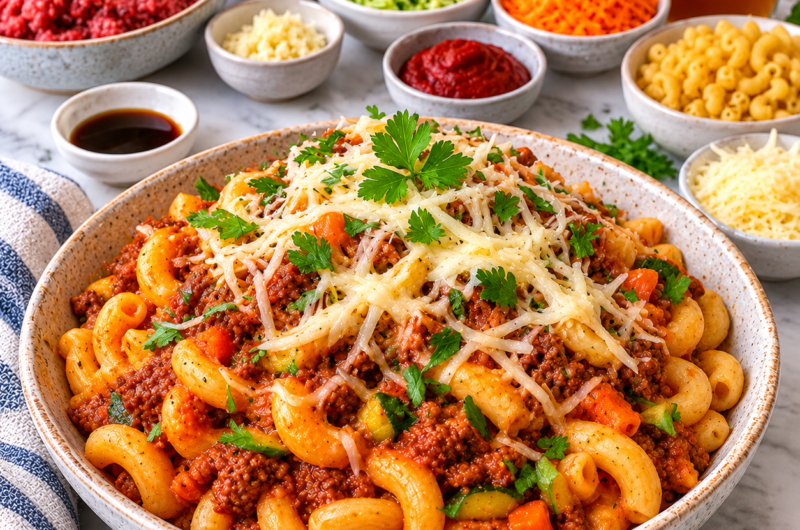
The best part of this homemade beef macaroni is the combination of simple ingredients that work well together. Lean beef mince provides a savory foundation, while carrots and zucchini contribute mild vegetable flavors. Red onion and garlic create an aromatic base, and tomato paste brings the ingredients together into a rich sauce. Beef stock adds moisture and depth, helping the mixture develop a soft consistency that coats the pasta. A small dash of Worcestershire sauce can contribute additional flavor, while fresh parsley provides a fresh finishing touch. Grated cheese completes the dish with a creamy, savory element. Instead of relying on complicated seasonings, this recipe allows the natural flavors of the ingredients to create a satisfying meal. The result is a comforting macaroni dish that can be prepared with minimal effort and adjusted to suit a child’s eating abilities.
Choosing the Right Pasta for Babies and Toddlers
Macaroni is a useful pasta choice for homemade baby meals because its small shape can be cooked until tender and mixed easily with sauces. When preparing macaroni for young children, the cooking texture is particularly important. Pasta should be soft enough for the child to manage comfortably according to their developmental stage and feeding abilities. Younger babies who have started eating solid foods may need a softer, appropriately prepared consistency, while older toddlers may be comfortable with more texture. Always follow age-appropriate feeding guidance and supervise children while eating. Cooking the macaroni in water until soft helps prevent it from becoming too firm or chewy. After cooking, drain the pasta and combine it with the prepared beef and vegetable mixture. This allows the sauce to coat the macaroni evenly and makes it easier to serve as one complete meal.
The Benefits of Including Lean Beef in Baby Meals
Lean ground beef is the main protein ingredient in this baby macaroni recipe. It contributes protein and several important nutrients, including iron, zinc, and vitamin B12. Iron is particularly important during infancy and early childhood because children need sufficient iron to support normal growth and development. Including a variety of iron-containing foods in a child’s diet can help provide nutritional diversity. Ground beef is also convenient because it breaks into small pieces during cooking and can be combined with soft vegetables and pasta. For this recipe, the beef should be cooked thoroughly until no raw portions remain. Parents can select a lean variety to avoid excessive grease in the finished dish. When preparing food for younger babies, make sure the cooked meat is broken down into an age-appropriate texture, without large or firm pieces that could be difficult to manage.
How Carrots Add Flavor and Variety
Grated carrot is one of the vegetables included in this homemade baby macaroni recipe. Carrots have a naturally mild sweetness that balances the savory taste of beef and tomato paste. Their color also adds visual appeal to the finished dish, making the macaroni look more inviting. Grating the carrot before cooking helps it soften quickly and distribute throughout the sauce. This is particularly useful when preparing meals for young children who may prefer vegetables incorporated into familiar foods. Carrots also contain beta-carotene, which the body can convert into vitamin A. Vitamin A supports normal vision, immune function, and other important body processes. Cooking grated carrot with the beef mixture makes it tender and allows its flavor to blend with the other ingredients. It is a simple way to include another vegetable in a meal that children may already enjoy.
Why Zucchini Works Well in Baby Macaroni
Zucchini is another useful vegetable for homemade toddler pasta recipes because of its mild taste and naturally soft texture after cooking. It blends easily with tomato-based sauces without overpowering the flavor of the beef or macaroni. In this recipe, half a cup of grated zucchini is added to the pan along with the other vegetables. Grating it allows the zucchini to cook evenly and become tender during simmering. Zucchini also contains water, which contributes moisture to the mixture as it cooks. This can help prevent the sauce from becoming overly thick. From a nutritional perspective, zucchini provides water, fiber, and a range of vitamins and minerals. It also adds variety to the vegetable ingredients without requiring additional preparation. Its mild flavor makes it a convenient ingredient for parents who want to introduce different vegetables into familiar family meals.
The Role of Onion and Garlic in the Recipe
Red onion and garlic provide the aromatic foundation for this beef macaroni recipe. Cooking the onion gently in a small amount of olive oil helps soften its texture and develop a mild sweetness. Garlic adds another layer of flavor that complements the beef, vegetables, and tomato paste. Because this is a meal intended for babies and toddlers, the onion and garlic should be cooked until soft rather than left raw or crunchy. Their flavors become less sharp during cooking, allowing them to blend naturally with the other ingredients. The recipe uses half a red onion and a squeeze of garlic, keeping the preparation straightforward. These ingredients demonstrate how simple aromatics can improve the taste of homemade meals without requiring complicated seasoning combinations. Parents can also adjust the final texture by ensuring the onion and garlic are finely incorporated into the sauce.
Using Tomato Paste for a Richer Sauce
Tomato paste helps create the savory sauce that brings the beef, vegetables, and pasta together. Unlike fresh tomatoes, tomato paste has a concentrated consistency and flavor, so a small amount can make a noticeable difference. This recipe uses two tablespoons, which are added after the vegetables and parsley have been incorporated into the pan. Allowing the tomato paste to cook briefly with the other ingredients helps distribute its flavor throughout the mixture. It also gives the sauce a deeper color and a thicker consistency. When combined with beef stock, the tomato paste forms a coating that works well with macaroni. For baby-friendly cooking, parents should check the product label and select an option without unnecessary added salt or ingredients when possible. The goal is to create a flavorful homemade sauce using the ingredients already included in the recipe.
Fresh Parsley for a Fresh Finishing Flavor
Fresh parsley adds a pleasant herbal note to this easy beef macaroni recipe. Although it is used in a relatively small amount, it contributes freshness and helps balance the richness of the beef and tomato-based sauce. Parsley can be finely chopped before adding it to the pan so that it distributes evenly throughout the mixture. Cooking it with the vegetables allows its flavor to blend into the sauce. Fresh herbs are a useful way to introduce children to different food flavors without relying heavily on salt. Parsley also contains small amounts of several vitamins and plant compounds, although the amount used in this recipe should be considered a flavoring ingredient rather than a major nutritional source. Its bright green color can also make the finished macaroni more visually appealing. Make sure the parsley is washed properly and chopped finely before use.
Understanding the Importance of Beef Stock
Beef stock provides moisture and helps develop the consistency of the macaroni sauce. The recipe calls for one cup of beef stock, which is added after the tomato paste and vegetable mixture have started cooking. As the ingredients simmer together, the stock helps soften the vegetables and combines with the tomato paste to create a sauce that can be mixed with the macaroni. Parents preparing meals for babies should pay close attention to the stock they choose. Many commercially available stock products contain significant amounts of sodium, which may not be appropriate for young children. The original recipe specifically recommends using salt-free or reduced-salt stock cubes when preparing stock from cubes. Checking the packaging is important because different brands can have different sodium levels. A suitable stock helps maintain the intended savory flavor while allowing parents to manage the amount of salt in the child’s meal.
Adding Worcestershire Sauce and Grated Cheese
A dash of Worcestershire sauce is included to add another layer of savory flavor to the beef mixture. Its concentrated taste means that only a small amount is needed. However, parents should check the product ingredients before using it in food intended for babies, as many varieties contain salt and other ingredients that may not be suitable for every child’s dietary needs. Grated cheese is used when serving the macaroni, adding a creamy and savory finish. It can be sprinkled over the warm pasta so that it softens slightly before serving. Cheese also contributes protein, calcium, and fat, depending on the variety selected. For young children, use an appropriate cheese and ensure that the texture is manageable. These finishing ingredients are optional flavor elements that complete the dish, but the overall recipe should remain mild and suitable for the child’s feeding stage.
Preparing the Vegetables for Easy Cooking
Good preparation makes a significant difference when cooking homemade baby food. Before starting, wash the zucchini, carrot, parsley, and onion thoroughly. Peel or prepare the vegetables as appropriate, then grate the zucchini and carrot into small pieces. Finely chop the onion and parsley so that they cook evenly and blend into the sauce. Preparing everything before heating the pan makes the cooking process easier because the ingredients can be added in the correct order without interruptions. The vegetables should be cooked until soft enough for the intended age group. Grating is particularly helpful because it reduces the size of the vegetable pieces and shortens the cooking time. Once softened, the vegetables become part of the sauce rather than remaining separate, creating a more consistent mixture. This preparation method is also useful for other homemade toddler pasta dishes that combine vegetables with meat or tomato-based sauces.
How to Cook the Beef and Vegetable Sauce
The beef and vegetable sauce is prepared in one frying pan, making this recipe relatively simple to clean up afterward. Begin by heating half a teaspoon of olive oil and cooking the chopped red onion until softened. Add the lean beef mince and cook it thoroughly, breaking it into smaller pieces as it browns. Once the meat is cooked, add the grated carrot, grated zucchini, and fresh parsley. Stir everything together so that the vegetables are evenly distributed throughout the beef. Add the tomato paste and allow the mixture to cook until the vegetables become soft. Next, pour in the beef stock and stir to combine. Leave the mixture to simmer until the sauce reaches a tender, well-integrated consistency. Keep an eye on the pan during cooking and add no extra ingredients unless necessary to achieve the intended texture. The sauce should be moist enough to combine comfortably with the cooked macaroni.
Cooking Macaroni to the Right Texture
While the beef sauce is simmering, prepare the macaroni in a separate saucepan. Bring two cups of water to a boil, add the macaroni, and cook until the pasta becomes soft. Cooking time can vary depending on the pasta brand, shape, and thickness, so checking the package instructions is helpful. For baby macaroni, the pasta should be tender rather than firm or chewy. Once cooked, carefully drain the water through a strainer. Avoid leaving the macaroni sitting in hot water for too long because it can become overly soft and lose its shape. After draining, the pasta is ready to be served with the beef and vegetable sauce. Parents should consider the child’s developmental stage when deciding whether the macaroni needs to be cut into smaller pieces or further softened. The correct texture is more important than achieving a particular appearance.
Combining the Beef Sauce and Macaroni
Once both parts of the recipe are ready, combine the cooked macaroni with the beef and vegetable mixture. Stir gently so that the sauce coats the pasta and the small pieces of meat and vegetables are spread throughout. If the sauce has thickened during simmering, mixing it thoroughly with the warm pasta helps distribute the remaining moisture. The finished dish should have a soft, cohesive texture rather than a dry mixture of separate ingredients. If preparing portions for different family members, serve the baby’s portion according to the child’s feeding needs before adding any additional seasoning to adult servings. This approach makes the recipe practical for family cooking because one basic preparation can provide a suitable starting point for several portions. Finish the serving with grated cheese, allowing it to soften slightly over the warm macaroni.
Making Baby Macaroni Suitable for Different Ages
Children develop different eating skills at different rates, so the way this recipe is served should reflect the individual child’s development. Babies who are beginning solid foods may need a softer consistency and smaller pieces, while older toddlers may be comfortable with more recognizable macaroni shapes and finely broken-up meat. The cooked vegetables should be tender, and the beef should be prepared in small, manageable pieces. Parents can adjust the texture by mashing or chopping the cooked ingredients as needed. Always supervise children during meals and make sure they are seated upright while eating. Avoid serving food that is too hot, and allow the macaroni to cool to a safe temperature before offering it. This recipe is not automatically suitable for every baby at every age, so follow appropriate complementary-feeding and choking-prevention guidance for your child’s developmental stage.
Simple Ways to Adapt the Recipe
One advantage of this baby macaroni recipe is that it offers several substitution possibilities without requiring a completely different cooking method. Lean beef mince is the main protein ingredient, but lamb, pork, or chicken can replace it according to the original recipe. Each option will create a slightly different flavor while still working with the grated vegetables, tomato paste, stock, and macaroni. Families who prefer not to use meat can replace it with additional vegetables or legumes. The important consideration is to cook all ingredients thoroughly and make sure the final texture is suitable for the child. When changing the protein source, cooking time may vary, so check that the selected ingredient is fully cooked before serving. These alternatives make the recipe more adaptable for households with different food preferences while preserving its basic preparation style.
How to Store Homemade Baby Macaroni
Proper storage is important when preparing homemade meals for young children. If you have leftover macaroni, allow it to cool promptly and transfer it into a clean, airtight food container. Refrigerate it within two hours of cooking, or sooner if the surrounding temperature is particularly warm. For food safety, refrigerated leftovers should generally be used within 24 to 48 hours when intended for a baby, following local food safety guidance. If you want to keep portions for longer, freeze them in suitable individual containers. Label each container with the preparation date so that you can keep track of storage time. Reheat only the portion required, making sure it is heated thoroughly throughout. Stir well and allow it to cool before serving. Avoid repeatedly reheating the same portion, and discard food that has been in contact with a child’s spoon or has remained on the plate.
Tips for Preparing Better Baby Macaroni
A few simple preparation practices can make this recipe easier and more enjoyable to serve. Grate the carrot and zucchini finely so they soften quickly and blend into the beef sauce. Cook the onion until tender before adding the meat, as this helps develop a mild flavor throughout the dish. Break the mince into small pieces while cooking to prevent large clumps from forming. Use salt-free or reduced-salt beef stock, as recommended in the original recipe, and check the ingredients of the Worcestershire sauce and cheese. Cook the macaroni until soft enough for your child’s developmental stage, and drain it properly before combining it with the sauce. Allow the finished meal to cool before serving, and adjust the consistency if necessary. Preparing the ingredients in advance can also make the cooking process more organized, particularly when preparing meals during a busy family routine.
Common Mistakes to Avoid When Cooking Baby Macaroni
One common mistake is cooking the pasta for too little time, leaving it firm and difficult for a young child to manage. Another is adding the vegetables too late, which may prevent them from becoming sufficiently soft before the sauce is finished. Large pieces of onion, carrot, zucchini, or beef can also create an unsuitable texture for babies who are still developing their chewing skills. It is important not to rely only on cooking time; check the softness of the ingredients before serving. Parents should also avoid assuming that every stock cube or Worcestershire sauce product has the same sodium content. Always check the packaging and select suitable products. Finally, do not serve the macaroni immediately after cooking while it is still very hot. Allow enough cooling time and test the temperature before offering it to your child.
Frequently Asked Questions About Baby Macaroni
Can babies eat homemade beef macaroni?
Babies who are developmentally ready for complementary foods may be able to enjoy appropriately prepared beef macaroni. The beef should be thoroughly cooked and broken into small, manageable pieces, while the vegetables and pasta should be soft enough for the child’s feeding abilities. Follow age-appropriate feeding guidance and supervise every meal.
Can I use chicken instead of beef?
Yes. The original recipe allows chicken to replace lean beef mince. Make sure the chicken is cooked thoroughly before combining it with the vegetables, tomato paste, and beef stock. The cooking time may differ depending on the type and size of the chicken used.
Can I prepare this recipe without meat?
Yes. The original recipe suggests replacing the meat with additional vegetables or legumes. Cook the selected ingredients until soft and prepare the remaining sauce according to the same general method.
Is macaroni suitable for toddlers?
Macaroni can be included in a toddler’s meals when it is cooked to an appropriate softness and served in a manageable size. Children should always be seated and supervised while eating.
Can I make baby macaroni in advance?
Yes. You can prepare the dish ahead of time, divide it into clean portions, and refrigerate or freeze it using safe food-storage practices. Reheat portions thoroughly and cool them before serving.
Can I freeze homemade beef macaroni?
Yes. Place cooled portions in suitable airtight freezer containers. Freeze promptly, label the containers, and follow recommended storage guidance. Thaw and reheat safely before serving.
What vegetables can I add to baby macaroni?
This particular recipe includes zucchini and carrot. The original ingredient instructions also allow additional vegetables as a replacement for meat. Any changes should consider the child’s tolerance, developmental stage, and dietary needs.
Notes for Parents
This recipe is intended as a flexible homemade meal rather than a complete nutritional plan for babies or toddlers. The amount of food a child eats will vary according to age, appetite, and developmental stage. Use suitable low-sodium ingredients, particularly when choosing beef stock and Worcestershire sauce. Check the cheese and other packaged ingredients for their suitability. If your child has known food allergies or dietary restrictions, review every ingredient before preparation. For babies who are new to solid foods, adjust the texture carefully and follow established feeding recommendations. Homemade baby macaroni can be served as part of a varied diet that includes different vegetables, protein sources, fruits, and other age-appropriate foods.
Final Thoughts on This Easy Baby Macaroni Recipe
Homemade baby macaroni is a practical way to prepare a comforting meal with familiar ingredients. The combination of lean beef, grated carrot, zucchini, red onion, garlic, tomato paste, and macaroni creates a savory dish with a soft texture that can be adapted for different developmental stages. Fresh parsley adds a little herbal flavor, beef stock helps bring the sauce together, and grated cheese provides a simple finishing touch. The preparation does not require complicated techniques or specialist equipment, making it suitable for everyday family cooking. Whether you follow the original beef version or choose one of the suggested protein alternatives, the recipe offers flexibility and convenience. With appropriate preparation, safe cooking, and attention to texture, this easy homemade baby macaroni can become a useful addition to your family’s lunch and dinner ideas.
Part 2: Structured Recipe Card
Baby Macaroni – Homemade Beef and Vegetable Pasta
Description:
A comforting homemade baby macaroni recipe featuring lean beef mince, tender macaroni, grated carrots, zucchini, tomato paste, and fresh parsley. This easy beef and vegetable pasta is a convenient meal for babies and toddlers who are developmentally ready for these ingredients. It can also be adapted using chicken, lamb, pork, additional vegetables, or legumes.
Preparation Time: 10 minutes
Cooking Time: 25–30 minutes
Total Time: Approximately 35–40 minutes
Serving: Approximately 4 portions (depending on portion size and appetite)
Ingredients:
- 500g lean beef mince (lamb, pork or chicken can replace the beef, or you can replace the meat with more vegetables or legumes)
- ½ red onion
- A squeeze of garlic
- ½ cup grated zucchini
- ½ cup grated carrot
- 2 tablespoons tomato paste
- Fresh parsley
- 1 cup beef stock (if using stock cubes, make sure they are salt-free or reduced-salt)
- 1 cup macaroni
- A dash of Worcestershire sauce
- Grated cheese
Step-by-Step Instructions:
- Prepare the Onion: Heat ½ teaspoon of olive oil in a frying pan over medium heat. Add the finely chopped red onion and cook until it becomes soft.
- Cook the Beef Mince: Add the lean beef mince to the pan. Break it into small pieces and cook thoroughly until browned and no raw portions remain.
- Add the Vegetables: Stir in the grated zucchini, grated carrot, and fresh parsley. Mix everything well so the vegetables are evenly distributed throughout the beef.
- Add the Tomato Paste: Add two tablespoons of tomato paste to the pan. Stir until it coats the beef and vegetables evenly.
- Simmer Until Soft: Allow the mixture to cook gently until the vegetables become tender and the flavors combine.
- Pour in the Beef Stock: Add one cup of salt-free or reduced-salt beef stock. Stir well and let the mixture simmer until a soft, moist sauce develops.
- Cook the Macaroni: In a separate saucepan, bring two cups of water to a boil. Add the macaroni and cook until soft and tender.
- Drain the Pasta: Once the macaroni is cooked, carefully strain it through a colander and remove the cooking water.
- Combine the Ingredients: Mix the cooked macaroni with the beef and vegetable sauce. Stir gently until the pasta is evenly coated.
- Serve with Cheese: Transfer the macaroni into serving bowls and finish with grated cheese. Allow it to cool to a safe temperature before serving.
Nutritional Information (Estimated Per Serving):
The following values are approximate and will vary according to the type of mince, stock, cheese, Worcestershire sauce, and serving size used. The original recipe does not specify exact quantities for the cheese or parsley.
- Calories: 350–450 kcal
- Protein: 23–30g
- Carbohydrates: 30–40g
- Total Fat: 13–22g
- Saturated Fat: 5–9g
- Fiber: 2–4g
- Sugars: 3–6g
- Sodium: Varies depending on stock, cheese, and Worcestershire sauce
Storage Notes:
- Refrigerate leftovers promptly in an airtight container.
- For baby portions, use refrigerated leftovers within 24–48 hours, following safe food-handling guidance.
- Freeze individual portions in suitable airtight containers.
- Reheat thoroughly and allow the food to cool before serving.
- Avoid reheating the same portion more than once.
Recipe Notes:
- Use salt-free or reduced-salt beef stock when preparing this recipe for young children.
- Cook the macaroni until soft enough for the child’s developmental stage.
- Finely prepare the vegetables and beef to achieve a manageable consistency.
- Lamb, pork, or chicken can replace the beef mince.
- Additional vegetables or legumes can be used instead of meat.
- Check packaged ingredients for salt and other ingredients that may not be suitable for your child.
- Always supervise babies and toddlers while eating.