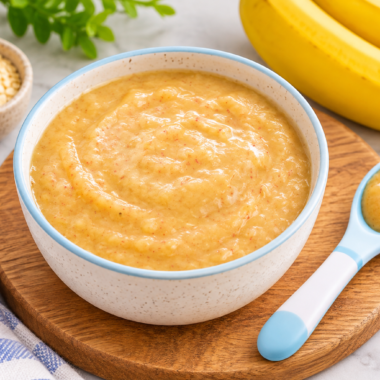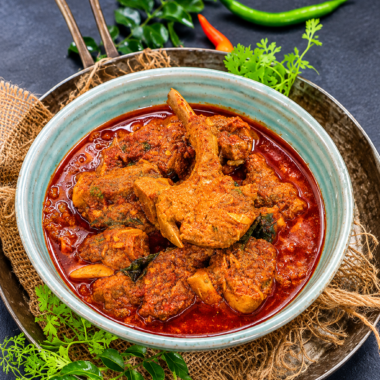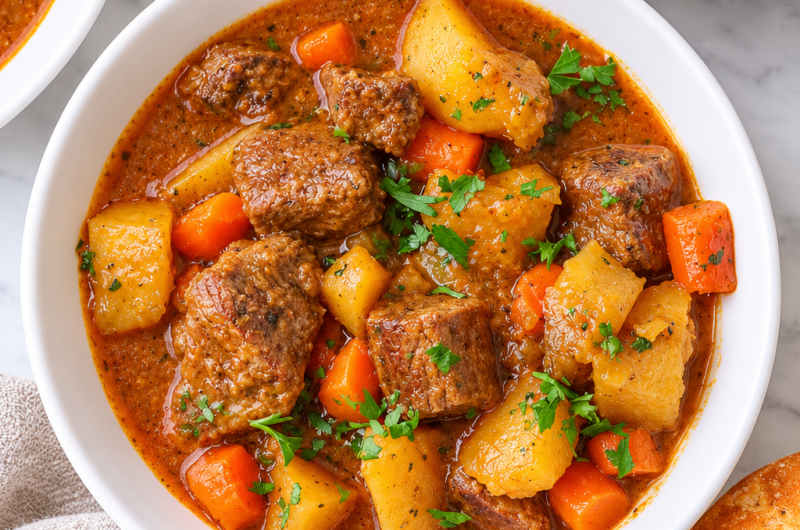
Mini Beef Stew is a simple homemade meal made with tender beef, pumpkin, zucchini, and potato. This easy beef and vegetable puree combines several wholesome ingredients to create a smooth, filling dish that is convenient for babies and young children who are ready for pureed foods. Preparing homemade food allows parents to choose fresh ingredients and control the texture according to their child’s feeding stage. With a straightforward cooking process and a small number of ingredients, this mini beef stew is an excellent option for parents looking to introduce different food flavors and textures into their child’s meals. The beef provides protein and important minerals, while the vegetables contribute natural flavor, moisture, and a variety of nutrients. Everything is cooked until tender before being blended into a smooth puree, making this recipe practical for everyday meal preparation.
Why Homemade Mini Beef Stew Is a Good Meal Choice
Homemade mini beef stew offers a convenient way to combine meat and vegetables in one balanced meal. Beef is a source of complete protein, iron, zinc, and vitamin B12, which are important nutrients for normal growth and development. Pumpkin contributes a naturally sweet flavor and provides beta-carotene, while zucchini adds moisture and a mild vegetable taste. Potato gives the mixture a thicker consistency and supplies carbohydrates that help make the meal more filling. Combining these ingredients creates a variety of flavors without requiring complicated seasoning or additional ingredients. Another advantage of preparing this recipe at home is that the cooking method is easy to manage. Each ingredient can be cooked until soft, then blended together to achieve the desired consistency. This makes mini beef stew a useful recipe for parents who prefer simple homemade meals rather than relying entirely on commercially prepared purees.
What Makes This Beef and Vegetable Puree Special
The appeal of this recipe comes from its simple ingredients and smooth final texture. Unlike traditional beef stew, which usually contains larger pieces of meat and vegetables in a thick gravy, this mini version is prepared specifically as a blended meal. The cooked beef is combined with pumpkin, zucchini, and potato to create a uniform puree. Each ingredient has a different role in the finished dish. Beef gives the puree its savory flavor and protein content, pumpkin introduces a gentle sweetness, zucchini helps maintain moisture, and potato creates a naturally thicker consistency. The ingredients complement one another without needing complicated preparation techniques. Since the vegetables are steamed separately and the beef is cooked in a frying pan, it is also easy to check that everything is thoroughly cooked before blending. The result is a simple, homemade meal with a smooth consistency and a mild, naturally appealing taste.
Ingredients Needed for Mini Beef Stew
This easy mini beef stew requires four main food ingredients: lean diced beef, cooked pumpkin, zucchini, and potato. The original recipe uses 200 grams of diced lean beef, which may be prepared using mince or rump. The beef is the main protein component and gives the puree a savory base. A small portion of cooked pumpkin provides natural sweetness and a soft texture, helping balance the stronger flavor of the meat. Half a cooked zucchini adds moisture and contributes a mild vegetable flavor. Half a peeled potato helps thicken the mixture and gives the finished puree a smooth, substantial consistency. These ingredients are easy to prepare and work well together after blending. The recipe also uses approximately one-quarter cup of boiled water during blending to help achieve a suitable texture. A small amount of olive oil is used when cooking the beef. Keeping the preparation straightforward allows the natural flavors of the ingredients to remain noticeable.
Choosing the Right Beef for a Homemade Food Recipe
Lean beef is the primary ingredient in this mini beef stew because it provides protein and several essential nutrients. The original recipe allows diced lean beef, mince, or rump, giving some flexibility in how the meat is prepared. Whichever option is used, the beef should be cooked thoroughly before it is combined with the vegetables. Lean cuts are useful when preparing a smooth puree because they contain less visible fat and can be blended with the other ingredients after cooking. Beef also contributes iron, which is an important mineral involved in the production of hemoglobin and the transportation of oxygen throughout the body. Zinc and vitamin B12 are additional nutrients naturally found in beef. The recipe also mentions possible substitutions, including fish, veal, pork, chicken, or additional vegetables instead of beef. These alternatives can provide variety, although their nutritional composition and cooking requirements will differ. Any replacement meat must be cooked thoroughly before blending.
The Role of Pumpkin in Mini Beef Stew
Pumpkin is an important part of this recipe because it adds natural sweetness, color, and a soft texture to the finished puree. When cooked properly, pumpkin becomes tender and blends easily with beef, zucchini, and potato. Its mild flavor works particularly well with savory ingredients, helping create a balanced taste without requiring additional seasoning. Pumpkin also contains beta-carotene, a plant pigment that the body can convert into vitamin A. Vitamin A supports normal vision and immune function. In addition, pumpkin contributes water and fiber to the meal. Using a small cooked portion ensures that the vegetable complements the beef without overpowering the other ingredients. Before cooking, the pumpkin should be peeled and cut into manageable pieces so it can soften evenly. Once steamed, it becomes easy to combine with the remaining ingredients in a blender. Its naturally smooth consistency helps produce a puree that is easier to blend evenly.
Why Zucchini Works Well in a Beef Puree
Zucchini is a mild vegetable that blends easily into homemade purees. Half a cooked zucchini is used in this mini beef stew, providing moisture and a gentle vegetable flavor. Its soft flesh becomes tender during steaming, making it suitable for blending with cooked beef and other vegetables. Zucchini also contains water, fiber, vitamin C, and other naturally occurring nutrients. Since its flavor is relatively mild, it does not dominate the dish or compete with the savory taste of the beef. Instead, it helps bring the different ingredients together. Before preparation, the zucchini should be washed thoroughly, and its ends should be removed. Cutting it into smaller pieces can help it cook more evenly. Once fully steamed, the zucchini can be added directly to the blender with the pumpkin and potato. This simple preparation method makes it easy to incorporate vegetables into a homemade meal.
How Potato Improves the Texture of Mini Beef Stew
Potato plays an important role in determining the consistency of this beef and vegetable puree. The original recipe calls for half a peeled potato and recommends using either Desiree or older potatoes. These varieties can provide a suitable texture when cooked until soft. Potato contains carbohydrates and naturally thickens the puree when blended with the other ingredients. It also has a mild flavor, allowing the beef and pumpkin to remain noticeable. Before cooking, the potato should be peeled, washed, and cut into smaller pieces. Steaming it until completely tender helps ensure that no hard pieces remain in the finished mixture. When blended, the potato combines with the moisture from the zucchini, pumpkin, and added boiled water to produce a smoother consistency. The amount of water can be adjusted gradually during blending, depending on how thick or smooth the final puree needs to be.
Preparing the Ingredients Before Cooking
Good preparation makes the cooking process easier and helps ensure that the finished meal has an even texture. Begin by washing all the vegetables thoroughly under clean running water. Remove the pumpkin skin, cut the pumpkin into manageable pieces, and trim both ends of the zucchini. Peel the potato and cut it into smaller portions so it can steam evenly. Prepare the beef separately, making sure any unwanted pieces are removed before cooking. Organizing the ingredients before starting helps prevent interruptions during the cooking process. It is also useful to prepare the blender and measure the boiled water in advance. Since this recipe uses only a few ingredients, preparation does not take much time. Keeping the vegetables and beef separate during the initial cooking stages allows each component to be cooked appropriately before they are combined. Once everything is prepared, the remaining process involves cooking, checking tenderness, and blending.
Cooking the Beef for Mini Beef Stew
The beef is cooked separately in a frying pan using half a teaspoon of olive oil. This small quantity helps prevent the meat from sticking while it cooks. Add the beef to the pan and cook thoroughly, stirring or turning as necessary so that it cooks evenly. If using diced beef, allow sufficient cooking time for the pieces to become tender. Minced beef can be broken into smaller pieces during cooking, making it easier to blend later. The beef should reach a safe internal temperature appropriate for the type and cut being used. A food thermometer is the most reliable way to check doneness. Do not rely only on the outside appearance of the meat. Once fully cooked, set the beef aside while the vegetables finish steaming. Keeping the beef separate until blending also makes it easier to check the texture of each component and ensure that the finished puree is evenly combined.
Steaming the Vegetables Until Tender
Steaming is a useful cooking method for the pumpkin, zucchini, and potato because it softens the vegetables without requiring them to be submerged in a large amount of water. Place the prepared vegetables in a suitable steamer and cook until each piece is completely tender. Cooking time can vary depending on the size of the pieces and the type of steamer being used. Check the potato and pumpkin carefully because they may require more time than zucchini. A fork should pass through the vegetables easily when they are ready. Thorough cooking is important because firm pieces can create lumps in the finished puree. Once the vegetables are fully cooked, transfer them carefully to the blender. Steaming the ingredients separately from the beef also makes it easier to manage the cooking process. Allow the vegetables to cool slightly before blending, following safe food-handling practices.
Blending the Beef and Vegetables Into a Smooth Puree
Blending is the final stage of preparing mini beef stew. Place the cooked pumpkin, zucchini, and potato into a blender with approximately one-quarter cup of boiled water. Add the thoroughly cooked beef and blend the mixture until it reaches a smooth, even consistency. The blending time will depend on the appliance being used and the tenderness of the ingredients. If the mixture is too thick, additional suitable boiled water can be added gradually, provided the recipe’s intended texture is maintained. Avoid adding too much liquid at once because this can make the puree thinner than desired. Stop the blender when necessary to check the consistency and scrape down the sides if any ingredients remain unblended. Continue until there are no noticeable hard pieces. The finished puree should have a consistent texture throughout, with the beef and vegetables evenly distributed. Allow it to reach a suitable serving temperature before offering it.
How to Achieve the Best Puree Consistency
The consistency of mini beef stew depends on the amount of liquid, the tenderness of the vegetables, and the performance of the blender. A smooth puree is easier to achieve when the beef and vegetables are fully cooked before blending. The approximately one-quarter cup of boiled water specified in the original method provides a starting point for combining the ingredients. Add it gradually rather than pouring it all in immediately if you want greater control over the final texture. The potato naturally thickens the mixture, while zucchini and pumpkin contribute moisture. If the puree appears too thick, a little additional boiled water can help loosen it. If it becomes too thin, avoid adding unnecessary liquid during the remaining preparation. Blending for long enough is equally important because pieces of beef may otherwise remain unevenly distributed. Always check the finished texture carefully before serving.
Nutritional Benefits of Beef and Vegetable Puree
This homemade beef stew brings together several ingredients that contribute different nutrients to the meal. Lean beef supplies protein, iron, zinc, and vitamin B12. Protein is needed for normal growth and tissue maintenance, while iron supports healthy red blood cell production. Pumpkin contains beta-carotene, which the body can convert into vitamin A. Zucchini provides water and small amounts of several vitamins and minerals, while potato contributes carbohydrates and potassium. Together, these ingredients create a meal containing protein, carbohydrates, and vegetables. The exact nutritional value depends on the size of the pumpkin portion, the type of beef selected, the weight of the vegetables, and the amount of water used. Although the ingredients provide useful nutrients, this recipe should be considered one meal option rather than a complete nutritional plan. Individual dietary requirements vary, particularly during infancy and early childhood.
Serving Mini Beef Stew Safely
Before serving, check that the finished puree has cooled to a suitable temperature. Stir it thoroughly to make sure there are no hot spots, especially if it has been reheated. Test a small amount yourself to check the temperature before offering it. The puree should have a smooth, uniform consistency appropriate for the child’s individual feeding stage and abilities. Babies develop feeding skills at different rates, so the appropriate texture and portion size can vary. Introduce ingredients according to your child’s feeding readiness and any professional feeding guidance you have received. Beef, fish, dairy, and other foods can have different allergy considerations, so individual dietary needs should always be taken into account. Do not leave prepared food at room temperature for extended periods. Refrigerate leftovers promptly in clean, covered containers and follow appropriate food storage and reheating guidance.
Making Mini Beef Stew Part of Meal Preparation
One advantage of this recipe is that it can be prepared without complicated equipment or a long ingredient list. A frying pan, steamer, knife, chopping board, and blender are sufficient for the main preparation process. Parents who regularly prepare homemade meals may find it convenient to organize the vegetables and beef before cooking. This helps make the process more efficient, particularly when preparing several different meals in a busy household. The recipe can also be adjusted according to the type of meat used, as long as the replacement is appropriate for the intended meal and is cooked thoroughly. If preparing a larger quantity, maintain appropriate ingredient proportions and check the finished consistency carefully. For food safety, divide any extra puree into clean, suitable storage containers and refrigerate or freeze promptly according to recommended storage guidelines.
Common Mistakes to Avoid When Preparing Beef Puree
A few simple precautions can help produce a better result. One common mistake is blending vegetables before they are fully cooked. Firm vegetables can create an uneven texture and make the puree difficult to process. Another mistake is undercooking the beef. Meat should always be cooked thoroughly, and its internal temperature should be checked when necessary. Adding too much water at the beginning can also make the finished puree excessively thin. It is better to start with the amount specified in the recipe and adjust gradually if needed. Using oversized vegetable pieces may increase steaming time, so cutting the pumpkin and potato into manageable portions is helpful. Finally, avoid serving the mixture immediately after blending without checking its temperature. Allowing it to cool appropriately and stirring before serving are simple steps that support safe preparation.
Easy Variations Using the Original Recipe’s Alternatives
The original recipe provides flexibility for families who want to prepare a similar meal with different ingredients. Instead of beef, it mentions mince, rump, fish, veal, pork, chicken, or additional vegetables. These alternatives can change the taste, nutritional composition, and consistency of the finished puree. Fish can provide protein and, depending on the type, beneficial fatty acids. Chicken and pork offer different protein options, while veal has its own mild flavor. Additional vegetables can be used for a meat-free variation. However, each replacement may require different preparation and cooking times. Fish should be checked carefully for bones, poultry must be cooked thoroughly, and other meats should also be prepared to safe temperatures. The original pumpkin, zucchini, and potato combination can remain the vegetable base. This flexibility makes the recipe useful as a starting point for different homemade meal combinations.
Frequently Asked Questions About Mini Beef Stew
Can I use minced beef instead of diced beef?
Yes. The original recipe allows mince or rump as alternatives to diced lean beef. Minced beef is often convenient because it breaks into smaller pieces during cooking and can blend easily with the vegetables. Make sure it is cooked thoroughly before adding it to the blender.
Can I replace beef with chicken or fish?
Yes. The original recipe lists chicken, fish, veal, and pork as possible alternatives. Each type of meat or fish should be prepared according to its own safe cooking requirements. Fish should also be checked carefully for bones before blending.
Can I make the puree thicker or thinner?
Yes. The final consistency can be adjusted by controlling the amount of boiled water used during blending. Start with approximately one-quarter cup, as specified in the method, and add more gradually only if needed.
Why is potato included in this recipe?
Potato contributes carbohydrates and helps thicken the puree. Its mild flavor also complements the beef, pumpkin, and zucchini without overpowering the other ingredients.
How do I know when the vegetables are ready?
The vegetables should be completely tender. A fork should pass through the pumpkin and potato easily, and the zucchini should be soft enough to blend smoothly.
Can I prepare this recipe in advance?
Yes. You can prepare the puree in advance and store it in suitable clean containers. Refrigerate or freeze promptly, following food safety recommendations for homemade food. Reheat thoroughly when appropriate and check the temperature before serving.
Final Thoughts on Homemade Mini Beef Stew
Mini Beef Stew is a straightforward homemade beef and vegetable puree that combines lean meat, pumpkin, zucchini, and potato in one simple meal. Its preparation involves a few basic steps: washing and preparing the ingredients, cooking the beef, steaming the vegetables, and blending everything together with boiled water. The finished dish has a naturally savory flavor balanced by the mild sweetness of pumpkin and the gentle taste of zucchini and potato. Its simple ingredient combination makes it a practical addition to homemade meal preparation for children who are ready for this type of texture. With flexible meat alternatives and an adjustable consistency, the recipe can also serve as a foundation for different meal combinations. Preparing it at home gives families control over the ingredients and cooking process while offering a convenient way to combine meat and vegetables.
Part 2: Structured Recipe Card
Mini Beef Stew – Homemade Beef and Vegetable Puree
Description
A simple homemade beef and vegetable puree prepared with lean beef, pumpkin, zucchini, and potato. The ingredients are cooked separately, combined, and blended with boiled water to create a smooth and naturally flavorful meal.
Preparation & Cooking Duration
- Preparation Time: 10 minutes
- Cooking Time: 20–25 minutes
- Blending Time: 3–5 minutes
- Total Time: Approximately 35–40 minutes
Times are estimates and may vary depending on ingredient size and cooking equipment.
Serving
- Recipe Yield: Approximately 1–2 small portions
- Serving Size: Depends on the child’s age, appetite, and feeding requirements.
Ingredients
- 200g diced lean beef (mince or rump can also be used; fish, veal, pork, or chicken can replace the beef, or additional vegetables can be used instead of meat)
- 1 small portion of cooked pumpkin
- ½ zucchini, cooked
- ½ potato, peeled (Desiree or older potatoes are suitable)
Additional Preparation Items From the Original Method
- ½ teaspoon olive oil, for cooking the beef
- Approximately ¼ cup boiled water, for blending
Step-by-Step Instructions
- Wash the Vegetables: Thoroughly wash the pumpkin, zucchini, and potato under clean running water.
- Cook the Beef: Heat half a teaspoon of olive oil in a frying pan. Add the lean beef and cook thoroughly until fully done.
- Prepare the Pumpkin: Remove the pumpkin skin and cut the pumpkin into manageable pieces.
- Prepare the Zucchini: Trim both ends of the zucchini and cut it into smaller pieces if necessary.
- Prepare the Potato: Peel the potato and cut it into smaller portions for even cooking.
- Steam the Vegetables: Place the prepared pumpkin, zucchini, and potato in a steamer. Steam until all the vegetables are completely tender.
- Transfer to the Blender: Place the cooked vegetables into a blender and add approximately one-quarter cup of boiled water.
- Add the Beef: Transfer the fully cooked beef into the blender with the vegetables.
- Blend Until Smooth: Blend all the ingredients until they form a consistent puree without noticeable lumps or hard pieces.
- Check and Serve: Check the consistency and temperature. Allow the puree to cool to a suitable serving temperature before serving.
Nutritional Information
Estimated nutritional values for the complete recipe. Actual values depend on the beef cut, vegetable quantities, and final portion size.
| Nutrient | Estimated Amount |
|---|---|
| Calories | 340–390 kcal |
| Protein | 42–46 g |
| Carbohydrates | 18–23 g |
| Fat | 10–13 g |
| Fiber | 3–4 g |
| Sugar | 3–5 g |
| Iron | 4–6 mg |
| Potassium | 700–900 mg |
Recipe Notes
- Cook the beef thoroughly before blending.
- Steam vegetables until completely soft.
- Add boiled water gradually to control the puree consistency.
- Blend thoroughly for a smooth texture.
- Check the serving temperature before feeding.
- Store leftovers promptly in clean, airtight containers and follow appropriate food safety guidance.
- If using an alternative meat or fish, adjust the cooking method and cooking time accordingly.