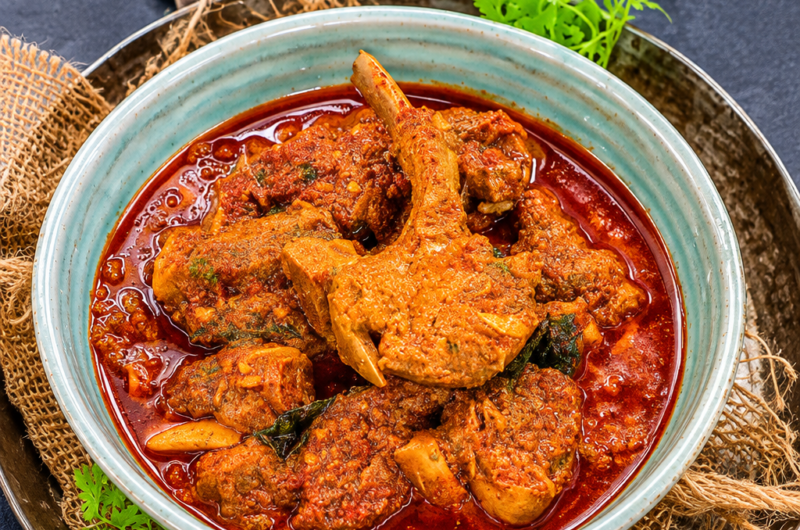
Preparing mini lamb curry at home is a practical way to combine meat, vegetables, and mild spices in one dish. Lamb provides protein and important nutrients, while potatoes contribute carbohydrates that make the meal more filling. Green beans add vegetable variety, and tomatoes create moisture and a naturally rich flavor. Onion, garlic, cumin, and fresh coriander bring gentle seasoning to the dish without requiring a complicated spice mixture. One of the best features of this recipe is its simple cooking method. Rather than preparing a separate sauce or using several cooking pots, the ingredients are gradually added to the same frying pan. This allows the flavors to develop together while keeping preparation manageable. The final mixture is mashed instead of blended, preserving some texture from the cooked meat and vegetables. For families interested in homemade food, this recipe offers a convenient way to prepare a warm, savory meal using familiar ingredients.
What Makes Mini Lamb Curry Different From Traditional Lamb Curry
Traditional lamb curry recipes often include larger quantities of spices, rich sauces, and longer cooking times to develop deep flavors. Mini lamb curry follows a simpler approach, using a small amount of cumin, garlic, and fresh coriander to create a mild and balanced taste. It also uses finely chopped lamb and diced vegetables, which cook more quickly than large pieces of meat. Another important difference is the final texture. Traditional curry is usually served with visible chunks of meat and vegetables in a gravy, whereas this recipe is mashed after cooking to create a softer consistency. The potatoes naturally help bring the ingredients together, while tomatoes provide moisture during cooking. There is no need for an elaborate curry sauce or a long list of seasonings. The focus remains on the natural flavors of lamb and vegetables, making this a straightforward homemade alternative to more heavily seasoned curry dishes.
Ingredients for Easy Mini Lamb Curry
This homemade lamb curry uses a combination of lean lamb, onion, green beans, potato, canned tomatoes, garlic, ground cumin, and fresh coriander. Each ingredient contributes something different to the finished dish. Lamb provides the main protein component and a rich savory flavor. Onion and garlic form the aromatic base, while cumin adds a gentle earthy taste. Green beans introduce vegetable texture and color, and potato helps make the curry more substantial. Tomatoes provide moisture and a slightly tangy flavor that complements the lamb. Fresh coriander adds a light herbal note toward the end of cooking. The original recipe uses 200 grams of diced lean lamb, although several meat alternatives are also listed. Keeping the ingredients finely chopped is particularly helpful because the recipe is designed to produce a soft, mashed consistency. Preparing everything before heating the pan makes the cooking process easier and helps prevent any ingredient from being forgotten.
Choosing Lean Lamb for the Best Curry
Lean lamb is the main ingredient in this recipe and gives the dish its distinctive savory flavor. The original recipe allows diced lean lamb, mince, or backstrap, so the choice can depend on availability and preferred preparation. Minced lamb is convenient because it breaks into small pieces during cooking and can be mashed easily with the vegetables. Backstrap is another option, offering a lean cut that can be finely chopped before cooking. Whichever variety is selected, the lamb should be fresh and prepared into small, manageable pieces. Smaller pieces help the meat cook evenly and make it easier to achieve the intended texture. Lamb also contains protein, iron, zinc, and vitamin B12, nutrients involved in normal growth and body functions. For this recipe, cook the lamb thoroughly before serving. Using lean meat keeps the dish focused on the natural flavor of lamb while allowing the vegetables and mild seasonings to complement it.
The Importance of Onion and Garlic in Lamb Curry
Onion and garlic create the aromatic foundation of mini lamb curry. Even though the recipe uses only one-quarter of a peeled onion and a dash of garlic, these ingredients contribute considerable flavor during the cooking process. When gently cooked with cumin and coriander in olive oil, onion begins to soften and release its natural sweetness. Garlic adds a familiar savory aroma that works particularly well with lamb. Cooking these ingredients before adding the meat allows their flavors to develop and spread throughout the dish. Finely chopping the onion is useful because it helps the pieces soften more quickly and makes the finished curry easier to mash. Garlic should also be distributed evenly rather than left in large pieces. The combination does not need additional complicated seasoning because the tomatoes, vegetables, and lamb provide plenty of natural flavor. Together, onion and garlic help turn a small collection of ingredients into a well-rounded homemade curry.
How Cumin and Fresh Coriander Enhance the Flavor
Cumin and fresh coriander are the main seasonings used in this mild lamb curry recipe. Ground cumin has a warm, earthy flavor that is commonly associated with traditional curry dishes. Even a small pinch can add depth to the lamb and vegetable mixture without making the meal excessively spicy. Fresh coriander offers a different flavor profile, bringing a light herbal freshness that balances the richness of the meat. The original recipe combines both seasonings with onion and garlic at the beginning of cooking. This allows the cumin to release its aroma as it warms in the olive oil, while the coriander becomes part of the aromatic base. Because the quantities are deliberately small, the spices complement rather than overpower the other ingredients. This approach is useful when preparing a mild curry for people who prefer gentle seasoning. The result is a dish with recognizable curry flavor while keeping the ingredient combination simple.
Why Green Beans Are Included in Mini Lamb Curry
Green beans contribute vegetable variety, color, and texture to this homemade lamb curry. The recipe calls for one-quarter cup of diced beans, with the ends removed before preparation. Cutting them into small pieces helps them cook evenly and makes them easier to combine with the lamb and potato. Green beans have a mild vegetable flavor that works well with tomatoes, cumin, garlic, and onion. They also contain fiber, vitamin C, vitamin K, and other naturally occurring nutrients. When cooked until just soft, they retain some structure without becoming too firm. This is particularly important because the recipe is mashed rather than completely pureed. The beans should be tender enough to mash easily while still contributing a little texture to the final dish. Adding them together with the potato and tomatoes allows the ingredients to cook in the same pan, making preparation more convenient and reducing the need for separate cooking equipment.
The Role of Potato in a Soft Lamb Curry
Potato is an important ingredient because it gives mini lamb curry a thicker and more substantial consistency. The recipe uses half a peeled and diced potato, with Desiree or older potatoes suggested as suitable varieties. Potato has a mild flavor that allows the lamb and seasonings to remain the main focus. As it cooks, the potato softens and can be mashed together with the meat, beans, and tomatoes. This helps create a cohesive mixture without requiring a blender. Potatoes also provide carbohydrates and potassium, making them a useful addition to a meal containing protein and vegetables. For the best result, peel the potato and cut it into small, evenly sized cubes before adding it to the pan. Smaller pieces generally cook more quickly and are easier to mash. Allow the potato to become fully tender during cooking so that the final dish does not contain hard or undercooked pieces.
Using Tomatoes to Create a Rich Curry Base
Tomatoes give this mini lamb curry its moisture, color, and mild tangy flavor. The original recipe uses one-quarter of a tin of tomatoes, which is added to the frying pan along with the diced beans and potato. As the tomatoes heat, they release liquid that helps the ingredients cook together. Their natural acidity also balances the rich taste of lamb and the earthy flavor of cumin. Unlike recipes that require a separate gravy or blended tomato sauce, this version allows the tomatoes to become part of the cooking mixture. They soften during cooking and help create a moist consistency that is easy to mash. Using the specified quantity is important because too much tomato can change the texture and flavor of the finished dish. Stirring the ingredients occasionally helps distribute the tomato mixture around the meat and vegetables, allowing everything to cook more evenly.
Preparing the Ingredients Before Cooking
A little preparation before turning on the stove can make the cooking process much easier. Start by washing all the vegetables thoroughly under clean running water. Peel the onion and potato, then chop them into small pieces. Remove the ends of the green beans and dice them into manageable portions. Prepare the lamb by cutting it into small pieces if using a diced cut, or have the mince ready for cooking. Measure the canned tomatoes and prepare the garlic, cumin, and fresh coriander. Keeping the ingredients organized allows you to add them in the correct order without interrupting the cooking process. Since this recipe uses a single frying pan for most of the preparation, it is especially helpful to have everything ready beforehand. Smaller, evenly cut ingredients also cook more consistently and are easier to mash once tender. Good preparation makes this simple lamb curry easier to manage, particularly when preparing a small meal.
Cooking the Aromatic Base for Mini Lamb Curry
The first cooking stage focuses on combining the onion, garlic, cumin, and fresh coriander. Heat half a teaspoon of olive oil in a suitable frying pan and add the prepared onion together with the garlic and seasonings. Cook gently, stirring regularly so that the ingredients soften and release their aromas. The onion should become tender rather than heavily browned, and the garlic should not be allowed to burn. Heating the cumin in the oil helps bring out its earthy aroma and distributes its flavor throughout the cooking mixture. Fresh coriander adds a light herbal note that complements the other ingredients. This aromatic base is important because it provides the curry with flavor before the lamb and vegetables are introduced. Once the onion has softened and the mixture smells fragrant, it is ready for the next stage. Taking a little care here helps create a more balanced result without needing additional ingredients or complicated cooking techniques.
Cooking the Lamb Until Thoroughly Done
After preparing the aromatic base, add the finely chopped lamb to the frying pan. Stir it together with the onion, garlic, cumin, and coriander so that the meat is evenly coated with the seasoning mixture. Cook until the lamb is fully done, breaking up mince or separating small pieces where necessary. If using backstrap or diced lamb, make sure the pieces are small enough to cook evenly. The original method describes cooking the lamb until just done, but food safety should always take priority over timing or appearance. Use a food thermometer when appropriate to confirm that the meat has reached a safe internal temperature for the cut and preparation method. Once cooked, the lamb should be tender enough to combine with the vegetables during the final mashing stage. Avoid leaving large, firm pieces in the pan because they may be difficult to mash. Evenly cooked lamb helps produce a consistent texture throughout the finished curry.
Adding the Vegetables and Tomatoes
Once the lamb has cooked thoroughly, add the diced green beans, prepared potato, and canned tomatoes to the frying pan. Stir everything carefully so that the ingredients are distributed throughout the lamb and aromatic mixture. The tomatoes release moisture as they heat, helping the potato and beans soften during cooking. Keep the heat at a suitable level and stir occasionally to prevent the ingredients from sticking to the bottom of the pan. The potato may require more cooking time than the beans, so check its tenderness rather than relying only on a fixed cooking duration. If necessary, allow the mixture to cook a little longer until the vegetables are soft. The aim is to create a moist mixture in which the meat and vegetables are tender enough to mash together. This stage allows the flavors to combine naturally, giving the mini lamb curry its characteristic savory taste and soft consistency.
How to Cook Mini Lamb Curry to the Right Texture
Texture is one of the most important parts of this recipe because mini lamb curry is designed to be mashed rather than pureed. The ingredients should be cooked until the potato and green beans are soft and the lamb is thoroughly cooked. Once everything is tender, use a suitable masher or fork to break down the mixture into smaller pieces. The tomatoes help keep the mixture moist, while the softened potato gives it a thicker consistency. Avoid blending the dish into a completely smooth puree because the original method specifically calls for mashing. A slightly textured result allows the individual ingredients to remain recognizable while bringing them together into one dish. The final consistency should be soft and manageable, with no hard vegetable pieces or tough meat chunks. Adjust the mashing according to the intended serving requirements, taking individual feeding abilities into account when preparing this meal for a young child.
Nutritional Benefits of Homemade Lamb and Vegetable Curry
This homemade lamb curry combines several ingredients that provide different nutrients. Lamb is a source of complete protein, iron, zinc, and vitamin B12. Protein supports normal growth and tissue maintenance, while iron is needed for healthy red blood cell production. Potatoes contribute carbohydrates and potassium, and green beans provide fiber and several vitamins. Tomatoes contain vitamin C and naturally occurring plant compounds, while onion and garlic contribute additional plant nutrients. Cumin and fresh coriander provide flavor without requiring a large amount of seasoning. Together, these ingredients create a meal containing meat and vegetables in a convenient preparation. The precise nutritional content will depend on the type of lamb, the actual quantity of each vegetable, and the portion size. This recipe can be included as one meal within a varied diet, but its nutritional suitability depends on individual requirements, especially when serving infants or young children.
Serving Homemade Mini Lamb Curry
Once the ingredients have cooked and the mixture has been mashed, allow the curry to cool to an appropriate serving temperature. Stir it thoroughly before serving to distribute the meat, potato, beans, and tomato evenly. If preparing the dish for a child, ensure the texture is suitable for their current eating and swallowing abilities. The recipe is intended to have a soft, mashed consistency rather than the smooth texture of a completely blended puree. However, children develop feeding skills at different rates, so the final texture should always be adjusted according to individual readiness. Check carefully for firm pieces of meat or vegetables before serving. Do not serve the curry while it is excessively hot, and test the temperature before offering it. The dish can also be served as a small homemade meal for anyone who enjoys mild lamb and vegetable curry. Its simple preparation makes it convenient for a variety of everyday meal routines.
Storage and Meal Preparation Guidance
Mini lamb curry can be prepared ahead of time when handled and stored safely. After cooking, divide any leftovers into clean, shallow, covered containers so they cool more quickly. Refrigerate promptly rather than leaving the food at room temperature for an extended period. If you intend to keep portions for longer, freezing in suitable individual containers can make future meal preparation more convenient. Labeling containers with preparation dates helps you keep track of storage time. When reheating, heat the food thoroughly until steaming hot throughout, stir well to remove cold spots, and allow it to cool to a suitable serving temperature. Reheat only the amount needed for a meal and avoid repeatedly cooling and reheating the same portion. If the curry has been served directly from a child’s bowl, discard the remaining food rather than returning it to the storage container. These precautions help maintain food quality and reduce the risk of foodborne illness.
Common Mistakes to Avoid When Making Lamb Curry
A successful mini lamb curry depends on cooking the ingredients properly and following the intended order. One common mistake is cutting the potato into large pieces, which can leave the vegetables firm when the lamb is already cooked. Smaller, evenly sized cubes help the potato soften more consistently. Another issue is allowing garlic to burn while preparing the aromatic base, as this can create an unpleasant bitter flavor. Cooking the onion and seasonings gently helps avoid this problem. It is also important not to add the vegetables before the lamb has been properly cooked. The meat should be thoroughly cooked before the dish moves to the vegetable stage. Finally, avoid pureeing the finished mixture if you want to follow the original recipe. Mashing is the intended preparation method and creates a different texture. Checking the softness of the ingredients before finishing helps ensure that the curry is easy to eat and has a pleasant consistency.
Alternative Meat Options for Mini Lamb Curry
The original recipe offers several alternatives for people who do not want to use lamb. These include fish, beef, veal, pork, and chicken. Each option brings a different taste and texture to the finished dish, but the remaining ingredients can continue to provide the same mild curry base. Beef offers a richer savory flavor, while chicken generally has a milder taste. Veal provides another meat option, and pork can also be used where suitable. Fish offers a different texture and should be checked carefully for bones before mashing. Cooking times and safe internal temperatures will vary depending on the replacement ingredient, so the cooking process should be adjusted accordingly. The original recipe also permits mince or backstrap in place of diced lamb. Whichever alternative is selected, cut or prepare it appropriately so that it cooks evenly and can be mashed easily with the vegetables. These options provide flexibility while keeping the overall preparation simple.
Frequently Asked Questions About Mini Lamb Curry
Can I use minced lamb instead of diced lamb?
Yes. The original recipe specifically allows minced lamb or backstrap as alternatives to diced lean lamb. Minced lamb is particularly convenient because it cooks in small pieces and is easy to combine with the vegetables during mashing.
Can I replace lamb with chicken or beef?
Yes. Beef, chicken, fish, veal, and pork are listed as possible alternatives in the original recipe. Each replacement requires an appropriate cooking time and safe cooking temperature.
Is mini lamb curry spicy?
This recipe uses only a pinch of ground cumin, a dash of garlic, and a pinch of fresh coriander. It does not include hot chili ingredients, so its flavor is relatively mild.
Why should this recipe be mashed instead of blended?
Mashing preserves a soft, slightly textured consistency. The original preparation method specifically recommends mashing rather than making a completely smooth puree.
How can I tell when the potato is cooked?
The potato should be soft enough for a fork to pass through easily. It should also break down without resistance when pressed with a suitable masher.
Can I prepare mini lamb curry in advance?
Yes. Prepare the curry, divide it into clean containers, and refrigerate or freeze promptly using suitable food storage practices. Reheat thoroughly and check the temperature before serving.
Mini Lamb Curry – Homemade Lamb and Vegetable Curry
Description
A mild homemade lamb curry made with lean lamb, green beans, potato, tomatoes, onion, garlic, cumin, and fresh coriander. The ingredients are cooked together in a frying pan until tender, then mashed to create a soft, slightly textured meal.
Preparation & Cooking Duration
- Preparation Time: 10 minutes
- Cooking Time: 20–25 minutes
- Mashing Time: 2–3 minutes
- Total Time: Approximately 32–38 minutes
Cooking times are estimates and may vary depending on the lamb cut and size of the vegetables.
Serving
- Recipe Yield: Approximately 1–2 small portions
- Serving Size: Adjust according to individual appetite and feeding requirements.
Ingredients
- 200g lean lamb, diced (mince or backstrap may also be used; fish, beef, veal, pork, or chicken can replace the lamb)
- ¼ peeled onion
- ¼ cup green beans, diced with ends removed
- ½ potato, peeled and diced (Desiree or older potatoes)
- ¼ tin tomatoes
- A dash of garlic
- A pinch of ground cumin
- A pinch of fresh coriander
Additional Cooking Ingredient Mentioned in the Original Method
- ½ teaspoon olive oil
Step-by-Step Instructions
- Prepare the Vegetables: Wash all vegetables thoroughly under clean running water. Peel the onion and potato, remove the ends of the green beans, and dice the ingredients into small pieces.
- Prepare the Aromatics: Finely chop the onion and prepare the garlic, ground cumin, and fresh coriander.
- Heat the Olive Oil: Add half a teaspoon of olive oil to a frying pan and heat gently.
- Cook the Seasonings: Add the onion, garlic, cumin, and fresh coriander to the pan. Cook gently until the onion softens and the mixture becomes fragrant.
- Add the Lamb: Add the finely chopped lamb and stir well to combine it with the aromatic ingredients.
- Cook the Meat: Continue cooking until the lamb is thoroughly cooked, breaking larger pieces into smaller portions where necessary.
- Add the Vegetables: Stir in the diced green beans, peeled and diced potato, and canned tomatoes.
- Cook Until Tender: Allow the mixture to cook until the vegetables are soft and the ingredients are thoroughly cooked. Stir occasionally to prevent sticking.
- Mash the Curry: Use a suitable masher or fork to break down the cooked ingredients. Mash until the mixture reaches a soft, slightly textured consistency.
- Cool and Serve: Allow the curry to cool to a suitable serving temperature. Check the texture and temperature before serving.
Nutritional Information
Approximate nutritional values for the complete recipe. Actual values depend on the lamb cut, ingredient quantities, and portion sizes.
| Nutrient | Estimated Amount |
|---|---|
| Calories | 330–390 kcal |
| Protein | 38–43 g |
| Carbohydrates | 22–27 g |
| Fat | 11–15 g |
| Fiber | 3–5 g |
| Sugar | 4–6 g |
| Iron | 3–5 mg |
| Potassium | 650–850 mg |
Recipe Notes
- Use finely chopped lamb to make cooking and mashing easier.
- Cook the onion and seasonings gently to prevent the garlic from burning.
- Cut the potato and green beans into small, even pieces.
- Make sure the lamb is thoroughly cooked before serving.
- Cook the vegetables until soft enough to mash easily.
- Follow the original preparation method by mashing rather than pureeing.
- If replacing lamb with another meat or fish, adjust the cooking time and check for safe doneness.
- Store leftovers promptly in suitable covered containers and follow recommended food safety guidelines.